
Reviewed · TURKEY MULTI-DAY TOURS FROM ISTANBUL
6 days Turkey tour: Multi City
Gallipoli’s battlefields, Ephesus’s grand marble avenue, Pamukkale’s white thermal terraces, and Cappadocia’s cave churches make this one very full Turkish journey. I especially like the private format, which gives your group more freedom than a large coach tour, and the fact that flights, transfers, lunches, and entrance fees are bundled into the $1,750 price.
I also like the range: this is not just an ancient-ruins trip. You’ll see war memorials, a sacred Christian site, a Seljuk mosque, hot springs, pottery workshops, and Cappadocia’s underground cities. The main drawback is the pace. Six days cover a huge amount of ground, and the published schedule has a few confusing details, so confirm the exact routing and hotel plan before paying.
Key points to know before booking
- Gallipoli and Troy open the tour with serious history, including ANZAC Cove, Lone Pine, Chunuk Bair, the Gallipoli War Museum, and the ruins of ancient Troy.
- Ephesus gets a well-rounded visit, with the Library of Celsus, Great Theatre, House of the Virgin Mary, Temple of Artemis, and Isa Bey Mosque.
- Pamukkale combines natural beauty with Roman ruins, thermal pools, Hierapolis, and the optional-feeling but included Cleopatra Pool visit.
- Cappadocia receives nearly two full days, with Göreme, Avanos, Devrent Valley, Uçhisar, Red Valley, Çavuşin, and an underground city.
- The $1,750 price covers major trip costs, including round-trip flights, airport transfers, transport, guides, lunches, breakfasts, and admissions.
- The schedule is demanding, and the tour description contains some route inconsistencies that deserve clarification before departure.
A six-day route with a lot packed into it
This is not a slow village-to-village holiday. It is a fast, private circuit through several of Turkey’s major regions. You begin with Istanbul pickup, head toward the Dardanelles and Gallipoli, continue south to Troy and Pergamon, then visit Ephesus and Pamukkale before flying onward to Cappadocia.
That range is the tour’s greatest strength. In one trip, you move from First World War memorials to Bronze Age archaeology, Roman cities, Byzantine cave monasteries, and volcanic rock formations. I like the way the subjects change every day. You are unlikely to confuse one stop with the next.
The tradeoff is time. A six-day route across western Turkey and Cappadocia means long transfers and early starts. The 6:30 a.m. pickup on the first day gives you a clear idea of the rhythm. Private transport helps, since you are not waiting for a large group at every stop, but this is still a sightseeing sprint rather than a restful break.
There is also a planning point worth addressing. The overview describes a two-day Ephesus and Pamukkale excursion with one night in Kusadasi, while the detailed day-by-day plan includes Gallipoli, Troy, Pergamon, Ephesus, Pamukkale, and two days in Cappadocia. Ask the operator to confirm the final route, where each night is spent, and how the flights fit into the six days.
More Multi-Day Turkey Tours from Istanbul:
- 8-Day Private Guided Turkey Tour with Accommodation
★ 5.0 · 231 reviews - 4 Days Turkey Tour – Cappadocia, Ephesus and Pamukkale Tour
★ 5.0 · 138 reviews - 6 Days Turkey Tour Cappadocia, Pamukkale, Ephesus, Gallipoli Troy
★ 5.0 · 109 reviews
Gallipoli, where the past feels close
The first day begins with pickup from your Istanbul hotel at 6:30 a.m. The drive takes you toward Eceabat and the Gallipoli Peninsula, one of Turkey’s most important First World War sites. This is not a casual sightseeing stop. The memorials and battlefield areas ask you to slow down and think about the people who fought here.
The route includes ANZAC Cove, where Australian and New Zealand troops landed, as well as the Lone Pine Memorial for Australian soldiers and Chunuk Bair Memorial for New Zealand forces. The Nek is also listed among the historic points. These names carry special weight for visitors with family connections to Australia or New Zealand, but the sites matter even without that personal link.
A guide can make a major difference here. The terrain itself does not explain the campaign, and the meaning of each ridge, cove, and memorial depends on clear context. One guide associated with this experience is Josh, whose role includes answering questions and adding an extra site when time and interest allow. If he is your guide, tell him what part of the campaign interests you most.
The Gallipoli War Museum adds a more personal side to the day. Rifles, swords, bullets, uniforms, letters, photographs, maps, and battlefield documents help turn a military operation into individual stories. You should expect roughly six hours at the Gallipoli stop, followed by about an hour at the museum.
The drawback is the early start and the emotional weight. If you prefer light sightseeing on your first day, this can feel intense. If you want a serious introduction to modern Turkish and Commonwealth history, it is a strong beginning.
Troy and Pergamon connect myth with archaeology
Day two moves to Troy, a site where myth and archaeology overlap. The ruins represent nine cities built one above another over more than 4,000 years. You can see walls, gates, temple remains, and domestic structures, while the replica Trojan Horse gives the famous story a very concrete visual hook.
Troy is not a perfectly preserved city. Much of the pleasure comes from understanding the layers beneath your feet and picturing how the site changed over time. A guide’s explanations are especially useful because the ruins can otherwise look like scattered stones.
You have about three hours here, including admission. That is enough for a guided visit without turning the stop into a rushed photo break. The surrounding countryside also gives Troy a quieter feel than Ephesus, though the site’s appeal depends more on history and imagination than on intact monuments.
Pergamon follows, with about three hours at the ancient city. The Acropolis once held temples, palaces, and the famous Altar of Zeus, now displayed in Berlin. You will not see the original altar in Turkey, but the steep theater and high setting still make the Acropolis memorable.
The ancient theater is one of the steepest of its kind and offers broad views across the area. That height comes with a practical warning: uneven ground and inclines are part of the visit. Wear shoes with a firm sole and take your time.
The itinerary also includes the Asclepion, Pergamon’s celebrated medical center dedicated to Asclepius, the god of healing. Treatment rooms, sacred springs, pools, and ceremonial spaces show how medicine, religion, and public life mixed in the ancient world. Together, Troy and Pergamon make a good pair: Troy is about layered settlement and epic tradition, while Pergamon is about power, culture, medicine, and architecture.
Ephesus rewards a slower look
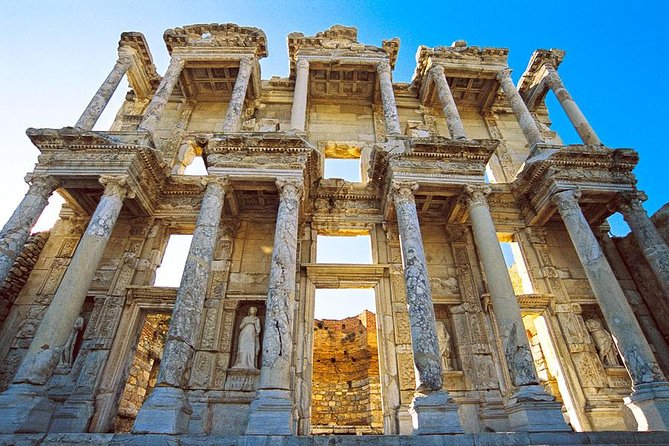
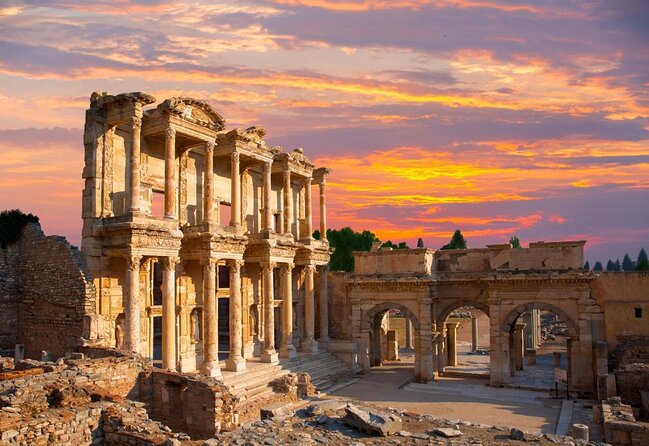
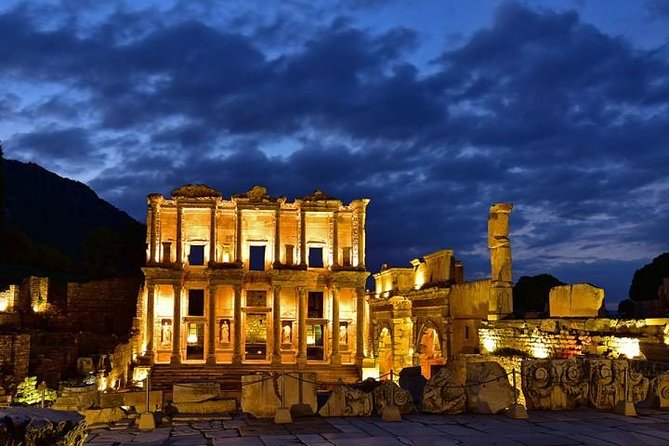
Ephesus is one of the strongest stops on the tour. Give the city your full attention, because it offers far more than the familiar photograph of the Library of Celsus.
The Great Theatre could hold up to 25,000 people and hosted drama, music, public events, and gladiatorial contests. The Library of Celsus, built in the second century AD, once held more than 12,000 scrolls and also served as a monumental tomb.
The broad streets and remaining columns help you picture Ephesus as a working city rather than a collection of ruins. The Terrace Houses add another layer. These were wealthy homes with mosaics and fine decoration, giving you a glimpse of private life beside the grand public buildings.
The planned three-hour visit is useful, but you may wish it lasted longer if you enjoy archaeology. The site is large, and the main avenue can become crowded. A private guide should help you focus on the buildings that matter most to you instead of simply walking from one famous view to the next.
The House of the Virgin Mary adds a very different experience. The small stone house is traditionally regarded as Mary’s final residence and is visited by both Christians and Muslims. It is now a chapel in a quiet wooded setting, with a wall where people leave prayers and wishes.
You do not need to accept every tradition surrounding the site to appreciate its peaceful atmosphere. The one-hour visit gives you time to look around without making the religious stop the center of the day.
The Temple of Artemis is a short stop, listed at about 30 minutes. It was one of the Seven Wonders of the Ancient World, but very little remains on site today. You will see the scale of the former sanctuary rather than a complete temple, so keep expectations realistic.
Isa Bey Mosque provides a welcome change of period and style. Built in 1375, it uses an unusual asymmetrical plan, two domes, a carved marble entrance, and columns reused from Ephesus. The courtyard links the Roman and Seljuk past in a way that makes the area feel like a living historical record, not a sealed archaeological park.
A few more Istanbul bookings to weigh up
- 6 Days Guided Istanbul and Cappadocia Tour
★ 5.0 · 36 reviews - 6 Days Istanbul Cappadocia Tour in Spanish with 2 internal flights
★ 5.0 · 29 reviews - 6-Day Private Guided Tour to Istanbul and Cappadocia
★ 5.0 · 27 reviews - 6-Day Turkey Tour from Istanbul: Gallipoli, Troy, Ephesus, Pamukkale and Cappadocia
★ 5.0 · 27 reviews
Pamukkale pairs white terraces with Hierapolis
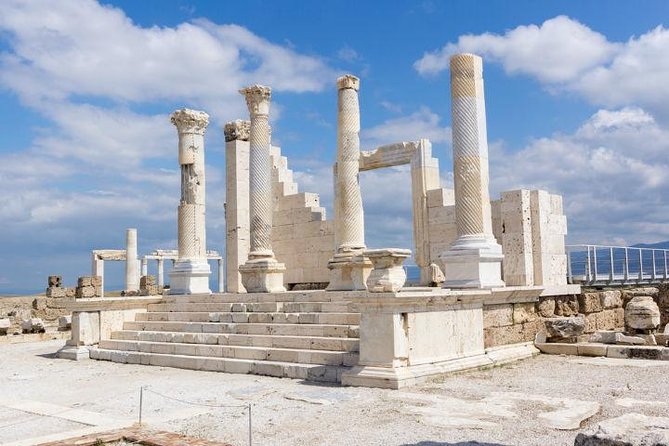
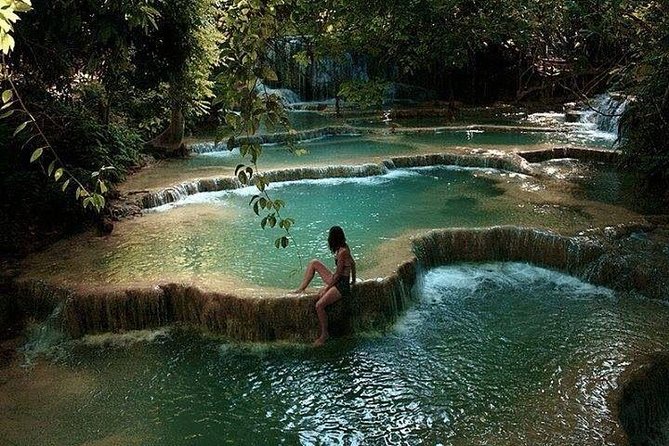
Pamukkale means Cotton Castle, a fitting name for the white calcium deposits spread across the hillside. Mineral-rich thermal water formed the terraces over thousands of years, and the bright surface can look almost unreal in strong sunlight.
You are scheduled for about three hours at Pamukkale and another three hours at the thermal pools. The water temperature varies by source, with the listed figures ranging from warm bathing temperatures to much hotter spring water. Follow local instructions and use only the areas open for bathing.
The terraces are beautiful, but the site is also delicate. You may be asked to walk in designated sections, and wet surfaces can be slippery. Bring a swimsuit if you plan to enter the pools, plus something dry for the rest of the day.
Above the terraces, Hierapolis gives the stop its historical depth. The city began in the Hellenistic period and grew under Roman rule as a thermal center. Its theater, Roman baths, colonnaded streets, Temple of Apollo, Nymphaeum, and large necropolis show how many people came here for health, worship, and trade.
The necropolis is particularly striking, with tombs and sarcophagi spread over a wide area. The ancient theater, with room for around 15,000 people, is another highlight. I like this combination because you can move from natural hot springs to a Roman city without changing sites.
Cleopatra’s Pool is included in the schedule and offers warm mineral water among fallen Roman columns and marble fragments. The link to Cleopatra is a legend rather than a confirmed historical fact, but the setting remains unusual. You are bathing in a modern thermal facility built around ancient remains, so expect a busier and more organized experience than the open terraces.
Pamukkale is best handled with sensible timing. The supplied information recommends early morning or late afternoon to avoid the strongest heat and largest crowds. On a multi-stop tour, you may not control the exact hour, so carry water, sun protection, and a hat.
Cappadocia gives the final two days a different mood
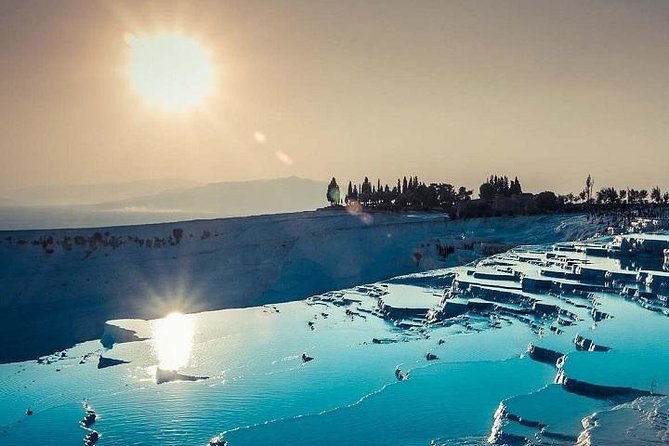
Cappadocia changes the tour completely. The region is known for soft volcanic rock shaped into fairy chimneys, valleys, cave homes, churches, and underground settlements. Two days here are useful, because the area is too large for a single quick stop.
The first Cappadocia day begins at Göreme Panorama, a viewpoint with broad views over the rock formations and valleys. Early morning is especially attractive when hot-air balloons may appear in the sky, though a balloon ride itself is not included in the listed package.
The Göreme Open-Air Museum is the day’s cultural center. Byzantine-era Christians carved churches, monasteries, kitchens, refectories, and living spaces into the rock. The Dark Church, Apple Church, and Snake Church are known for their painted biblical scenes.
You have about three hours here. That is enough to see the major churches, but the amount of walking and the uneven stone surfaces can make the stop tiring. Some spaces are dim and confined, so take your time with the frescoes instead of rushing through every chamber.
Avanos introduces living craft. Its pottery tradition uses red clay from the Kızılırmak River and reaches back to the Hittite period. A two-hour workshop visit lets you watch artisans work and may include a chance to try pottery yourself. This is a useful break from ruins and viewpoints, though a workshop visit can also include time for browsing or shopping.
Devrent Valley is about natural shapes rather than churches or dwellings. Erosion has formed rocks that resemble animals and faces, including the famous camel-like formation. Paşabağları, or Monk’s Valley, follows with mushroom-shaped chimneys and rock-cut chapels once used by monks.
The Three Beauties near Ürgüp is a short photo stop. These three tall formations are among Cappadocia’s most recognizable sights, but 30 minutes is enough unless you want a longer walk.
Uçhisar, Red Valley, and the underground city
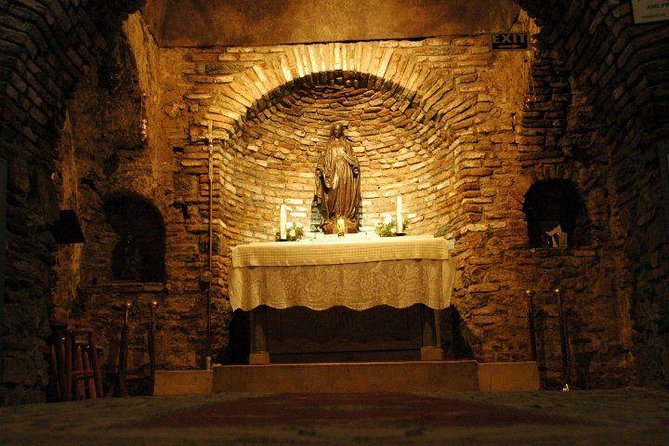
The final day begins at Uçhisar Castle, a tall rock formation carved with rooms and passages. From the high point, you get wide views over the surrounding valleys and fairy chimneys. The visit lasts about an hour and combines scenery with a look at how people used natural rock for defense and shelter.
Kızılçukur, or Red Valley, is the most active walking stop. The planned route takes about two hours and passes red and pink rock, vineyards, fairy chimneys, and rock-cut churches. Sunset gives the stone its strongest color, so the timing matters.
This is the part of the tour that needs the most practical preparation. Wear proper walking shoes, carry water, and expect uneven trails. The walk is described as suitable for nature lovers, but it is not the same as a paved viewpoint stop.
Çavuşin adds another village and another set of carved buildings. The Church of St. John the Baptist dates to the fifth century and contains frescoes. The village also connects with walking routes toward Red Valley and Rose Valley, though this itinerary gives you about an hour.
Love Valley is a shorter stop, known for tall rock formations that have given the place its playful name. You have about an hour here, enough for views and photographs rather than a full valley walk.
Kaymakli Underground City is listed in the detailed itinerary, although the description explains Derinkuyu, another major underground city. This is one of the route details I would confirm before departure. Either way, an underground-city visit means narrow passages, multiple levels, storage rooms, kitchens, chapels, and ventilation systems.
The description says the city could shelter up to 20,000 people with livestock and supplies. That figure refers to the underground-city tradition described in the tour material, but the exact site matters because Kaymakli and Derinkuyu are separate places. Ask which one you will visit and whether the route suits anyone in your group who dislikes confined spaces.
Pigeon Valley closes the tour with a gentler viewpoint. Small pigeon houses carved into the rock were used to collect droppings for fertilizer. The valley connects Göreme and Uçhisar and offers one last look at the region’s combination of farming, rock carving, and unusual geology.
What the $1,750 price really covers
At $1,750 per person, this is not a budget sightseeing package. The price makes more sense when you count what is included: round-trip flights with taxes, airport transfers, private transport, guides, entrance fees, six lunches, four breakfasts, and one night in a Kusadasi hotel.
You also receive private touring rather than a shared group format. That matters on a route this busy. You can ask questions, spend more time at a site that interests you, and avoid the delays that come with collecting a large group.
The hotel night in Kusadasi includes breakfast by the sea, which gives the schedule one pleasant pause. Dinner is not included, so budget separately for evening meals. The package also does not list every overnight location, which is another reason to request the final hotel plan.
I would call the value reasonable for someone who wants convenience and a broad route. If you prefer to arrange cheap buses, local hotels, and independent museum visits, you may spend less. If you want one company coordinating flights, transfers, meals, admissions, and private sightseeing, the bundled price saves planning time.
Who should book this private Turkey tour?
I would recommend it to a first-time visitor who wants to cover the country’s main western highlights and Cappadocia without building the trip piece by piece. It suits history fans, families who value private transport, and small groups that want a guide available throughout the sightseeing days.
The tour also suits people who enjoy variety. One day is military history, the next is ancient archaeology, then thermal springs, Byzantine churches, pottery, and hiking trails.
I would hesitate to recommend it to anyone seeking a slow holiday. The early pickup, long regional transfers, changing subjects, and full sightseeing days leave little empty time. People with mobility concerns should also ask about the uneven ruins, steep theater areas, slippery thermal surfaces, underground passages, and two-hour valley walk.
The tour requires good weather. If poor conditions force cancellation, you are offered another date or a full refund. The cancellation terms are strict: cancel at least six full days before the start for a full refund, two to six days before for a 50 percent refund, and less than two days before with no refund.
Should you book it?
Book this tour if your priority is seeing a remarkable amount of Turkey in six days with private transport and a guide handling the complicated parts. The strongest features are the wide range of places, the included admissions and flights, and the chance to ask questions throughout the trip. A guide such as Josh can add real value, especially at Gallipoli, Troy, and the layered ruins of Ephesus.
Before booking, get the route in writing. Confirm the overnight cities, the exact flight schedule, whether the underground city is Kaymakli or Derinkuyu, and how the Ephesus and Pamukkale portion fits with the six-day plan. If those details are clear and you can manage the pace, $1,750 can be a fair price for a very full introduction to Turkey.
FAQ
How long is the Turkey tour?
The tour lasts approximately six days.
Where does the tour begin?
Pickup is offered from your hotel in Istanbul. The first listed pickup time is 6:30 a.m.
Is this a private tour?
Yes. Only your group participates in the private tour or activity.
Are entrance fees included?
Yes. The package includes entrance fees for the historical sites and museums listed in the tour.
Is accommodation included?
One night in a Kusadasi hotel is included, with breakfast by the sea.
Are flights included?
Yes. Round-trip flight tickets with all taxes are included.
Are meals included?
Six lunches and four breakfasts are included. Dinner is not included.
What is the cancellation policy?
You receive a full refund if you cancel at least six full days before the start time. Cancellation two to six full days before the start time receives a 50 percent refund. Cancellation less than two full days before the start time is not refunded.
Recently added in Istanbul
- Two (2) Days Istanbul Old City and Two Continents Walking Tour★ 5.0 · 6 reviews
- istanbul old city private tour★ 5.0 · 19 reviews
- Private Guided Tour: Discovering Istanbul★ 4.5 · 9 reviews
- Istanbul Airport (IST) To Hotels Transfer★ 5.0 · 80 reviews
- Best Of İstanbul Europe Side In One Day★ 5.0 · 10 reviews
- 2 Days Cappadocia Tour from Istanbul with Optional Balloon★ 5.0 · 10 reviews
- Hagia Sophia Private Skip The Ticket line guided Tour★ 4.5 · 17 reviews
- historical peninsula walking tour★ 5.0 · 6 reviews
Turkey Multi-Day Tours from Istanbul, compared.
8-Day Private Guided Turkey Tour with Accommodation
Read our review →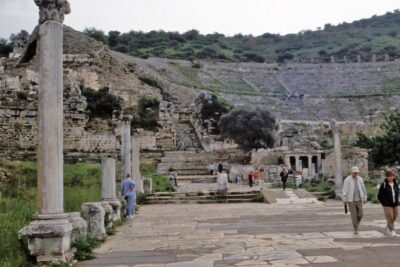
4 Days Turkey Tour – Cappadocia, Ephesus and Pamukkale Tour
Read our review →
6 Days Turkey Tour Cappadocia, Pamukkale, Ephesus, Gallipoli Troy
Read our review →
7 Days Best of Turkey Tour: Istanbul-Cappadocia-Ephesus-Pamukkale
Read our review →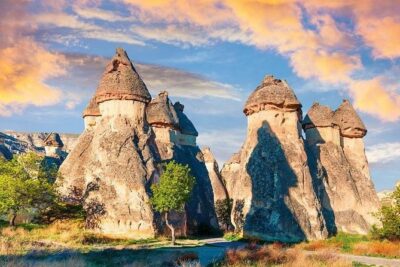
Private 4 Days Turkey Tour from Istanbul to Cappadocia, Ephesus, Pamukkale
Read our review →
7 Days Turkey Tour Package – Highlights of Turkey
Read our review →
Browse the lists this tour appears in