
Reviewed · 6-DAY EXPERIENCES
Western Turkey Explorer – 6 Days
Turkey packs several thousand years of culture into this six-day route. You move from Ottoman palaces and Byzantine monuments in Istanbul to the battlefields of Gallipoli, the ruins of Troy and Ephesus, and the white thermal terraces of Pamukkale. It is a fast trip, but the route gives you a strong first look at western Turkey.
I especially like the small maximum group of 12 and the use of air-conditioned road transport, local restaurants, and centrally located special-class hotels. I also like the chance to shape parts of the sightseeing to your interests. The main drawback is pace: six days means long drives and short visits, with several entrance fees added to the $950 price.
Key points at a glance
- Five major archaeological areas: Troy, Pergamon, Asklepion, Ephesus, and Hierapolis.
- Istanbul’s essential sights: Topkapi Palace, Hagia Sophia, the Blue Mosque, the Hippodrome, and the Grand Bazaar.
- Gallipoli’s ANZAC sites: Brighton Beach, ANZAC Cove, Lone Pine, Johnston’s Jolly, and Chunuk Bair.
- Small-group format: The vehicle carries no more than 12 people, making guides and transfers easier to manage.
- Five breakfasts and five lunches: Meals are included as listed, while drinks and personal expenses are not.
- Convenient ending: Finish at Denizli Airport or a hotel in Pamukkale, depending on your arrangements.
Six days, five regions, one very full route
This is best understood as a highlights tour rather than a slow holiday. You begin in Istanbul and finish around Pamukkale, covering major sites in the Marmara and Aegean regions along the way.
The package includes two nights in Istanbul, one night in Canakkale, and two nights in Kusadasi. That hotel pattern keeps the route moving, but it also means you will spend a fair amount of time on the road. If you want to explore each ancient site at leisure, you will need a longer trip.
The price is $950 per person. That represents reasonable value if you use the airport transfers, included accommodation, five breakfasts, five lunches, guiding, and organized transport. It is less of a bargain if you already have hotels or prefer to arrange your own transfers. Historical-site admission is not included, so allow extra money for tickets.
A few more Istanbul bookings to weigh up
- 6 Days Turkey Tour Cappadocia, Pamukkale, Ephesus, Gallipoli Troy
★ 5.0 · 109 reviews - 6 Days Guided Istanbul and Cappadocia Tour
★ 5.0 · 36 reviews - 6 Days Istanbul Cappadocia Tour in Spanish with 2 internal flights
★ 5.0 · 29 reviews
Istanbul: Ottoman power and Byzantine grandeur
Your first day is simple. After arriving at Istanbul Airport, you are met and driven to your hotel. There is no sightseeing scheduled, which is helpful after a flight and gives you time to settle in.
Day two brings the classic old-city circuit. At Topkapi Palace, plan on about two hours. This was the Ottoman sultans’ residence and the seat of government for almost four centuries. The palace is valuable because it shows how the empire worked, not just how its rulers lived. Courtyards, state rooms, and collections help put Ottoman power into human scale.
Admission to Topkapi is extra. Your guide is expected to have skip-the-line tickets available, but the ticket cost itself remains outside the tour price. That distinction matters when you set your budget.
Next comes Hagia Sophia Grand Mosque, with about an hour inside and around the surrounding area. Built as a major Byzantine church and later used as a mosque, it was once among the largest buildings in the world. Dress respectfully and be prepared for the site to function as an active mosque.
The Blue Mosque is nearby. Its six minarets and large dome make it one of Istanbul’s most recognizable sights. You have about an hour here, and entry is free. Visit times can depend on prayer schedules, so your guide may adjust the order.
The Hippodrome takes around 30 minutes. This former Roman public arena once held huge crowds and served as the civic heart of the city. The visit is brief, but it links the modern square to Constantinople’s Roman past.
You finish at the Grand Bazaar, with two hours to browse more than 4,000 shops spread behind 18 entrances. This is a good place for lamps, textiles, leather goods, and souvenirs, but shop with care. Compare prices, ask questions, and do not feel obliged to buy. The bazaar has free entry, and the time here gives you room to wander rather than simply take a quick look.
Gallipoli: a battlefield with a human scale
Day three begins with a drive of about four hours toward Canakkale. That is a substantial morning on the road, but the route is direct and the air-conditioned vehicle makes the transfer easier.
The Gallipoli visit focuses on the ANZAC battlefields. You see Brighton Beach, ANZAC Cove, Beach Cemetery, the Lone Pine Australian Memorial, Turkish and allied trenches and tunnels at Johnston’s Jolly, the 57th Regiment Turkish Memorial, and Chunuk Bair New Zealand Memorial.
The strength of this stop is its range. You are not shown only one national version of the campaign. Turkish and Allied memorials, trenches, cemeteries, and landing beaches help explain the battle from several sides.
Expect roughly two hours for the guided battlefield circuit. That is enough for orientation and key sites, but not enough for a slow, reflective visit at every memorial. The significance of Gallipoli can also make this feel heavier than the other sightseeing stops. Listen closely to the guide, since the ground itself does not always reveal what happened there.
Troy and Canakkale: myth beside archaeology
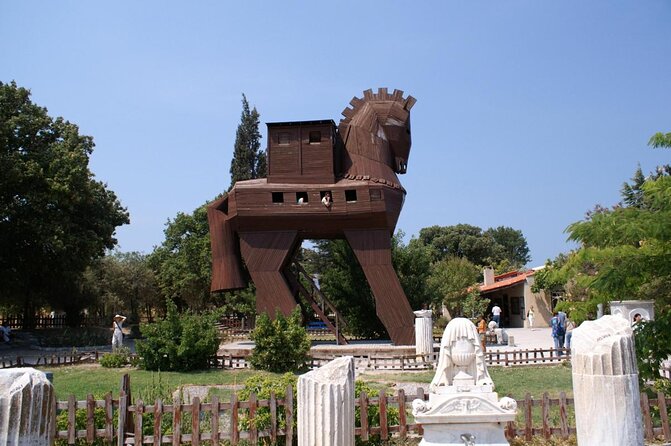
After Gallipoli, you visit Troy, known in Turkish as Truva. The archaeological site is tied to the Trojan War, Helen of Troy, Prince Paris, Achilles, and Hector. You also see remains connected with several periods of settlement, including Troy II walls, a megaron house, a ramp, Roman baths, an odeon, and the Temple of Athena.
Troy is a place where expectations need adjusting. The site is important, but it does not look like a complete ancient city. Layers of ruins overlap, and a guide is especially useful for explaining which period you are seeing. The visit lasts about an hour, and admission is extra.
You then stay overnight in Canakkale. The overall day is long, with listed driving and touring times adding up to many hours. Still, the combination of Gallipoli and Troy makes this one of the most distinctive days on the route. One site deals with a modern conflict, the other with a story that shaped world literature and archaeology.
A different side of Istanbul on the same trip:
- Istanbul: Bosphorus Dinner Cruise & Show with Private Table
★ 4.8 · 44,561 reviews - Istanbul: Daytime or Sunset Sightseeing Cruise & Audio Guide
★ 4.8 · 14,430 reviews - Istanbul: Bosphorus Dinner Cruise with Turkish Night Show
★ 4.8 · 10,127 reviews - Best of Istanbul 1, 2 or 3-Day Private Guided Istanbul Tour
★ 5.0 · 8,922 reviews
Pergamon and Asklepion: a day for ancient cities and medicine
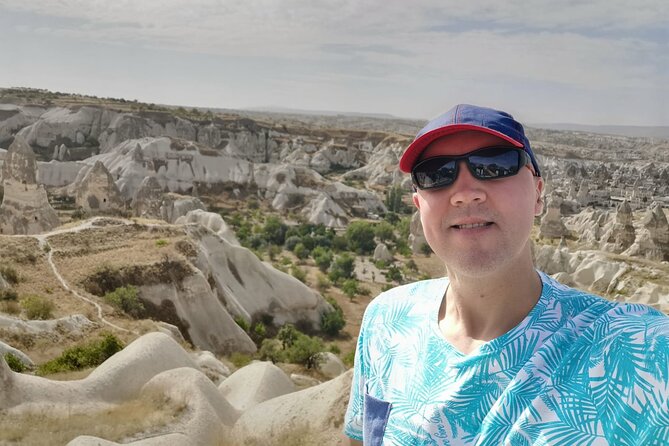
After breakfast and checkout, you drive about three hours toward Pergamon. The ancient city occupied an important position for centuries and served as a capital for nearly 400 years.
The ruins of Pergamon are visited for about two hours. The site reflects several periods, from early settlements through the Archaic and Classical eras. It is a good counterpoint to Ephesus because the remains speak to political power as well as daily life.
Admission is extra. Wear practical shoes and expect open-air walking. The itinerary gives you time to see the main remains, but not to examine every feature in detail.
The Asklepion follows, with about two hours. This ancient medical center was associated with Asclepius, the god of healing. Its importance lies in the early connection between sacred practice, diet, health, and medicine. Pergamon was also linked with major medical thinkers such as Hippocrates and Galen.
This stop adds variety to the trip. You are not simply moving from one temple to another. Asklepion shows how people sought treatment, explanation, and relief in the ancient world. Entry is extra here as well.
After sightseeing, you drive about three hours to Kusadasi for two nights. The transfer is another reminder that this tour covers a wide area. In return, you avoid changing hotels every night in the Aegean section.
Ephesus and the Temple of Artemis
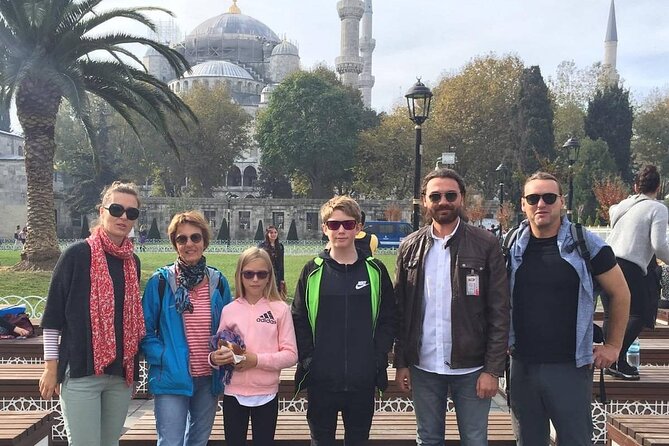
Day five is likely to be one of the trip’s highlights. At Meryemana, also called the Virgin Mary’s House, you visit a small religious site built in the sixth century over foundations believed by the church to belong to a first-century house. The stop lasts about an hour, and admission is extra.
The claim about Mary’s final home is a matter of faith and tradition rather than settled archaeological fact. That does not make the site unimportant. It remains a meaningful place for religious visitors and offers a quieter pause before the main ruins.
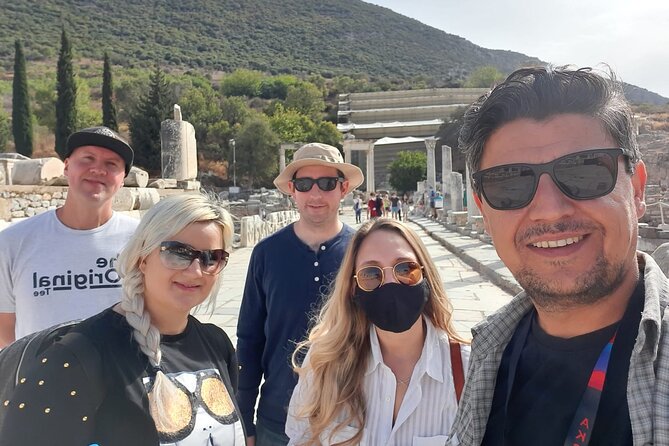
You then spend about two hours at Ephesus. This is the best-preserved classical city on the route and one of the most impressive ancient sites in the region. Walking its streets, you can see the Library of Celsus, the Roman theater, public buildings, and long stretches of ancient paving.
The site is large, exposed, and popular. Two hours gives you a useful introduction, but you may wish for more time if you care about architecture or archaeology. Your guide matters here. Local guides such as Efe, Emrey, and Riza have been praised for clear English, humor, and strong explanations, qualities that make a large ruin easier to understand.
The final stop is the Temple of Artemis. This was one of the Seven Wonders of the Ancient World and helped make Ephesus a major pilgrimage center. Today, only limited remains are visible, including a lone column. That can feel anticlimactic, so think of the stop as a lesson in loss and archaeology rather than a grand temple visit.
Pamukkale and Hierapolis: white terraces and Roman ruins
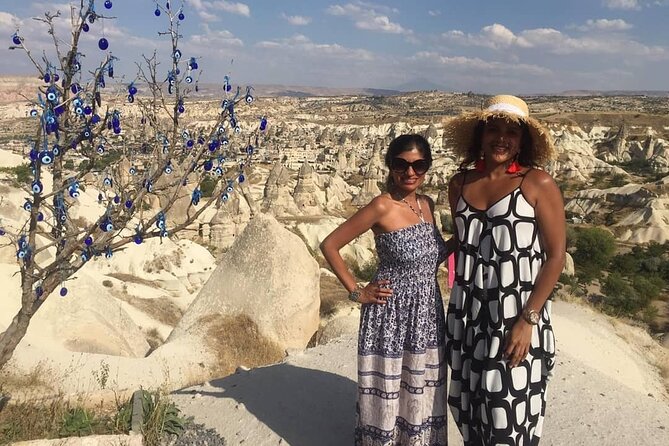
Day six takes you to Pamukkale, where warm spring water created bright calcium terraces. The water reaches about 35 degrees Celsius, and the site was valued as a healing spa long before modern tourism.
You have about two hours for the thermal pools. Admission is extra, and the experience is shaped by site rules, water levels, and access conditions. The terraces are delicate, so follow local instructions and avoid treating every pool as a place to enter.
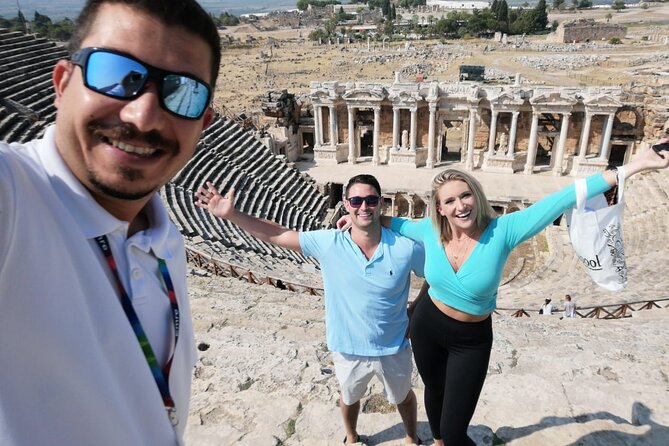
Nearby Hierapolis adds the ancient setting. You spend about an hour seeing the city, including its large necropolis with about 1,200 gravestones. The Sacred Pool is another highlight, with warm water flowing over Roman ruins beneath the surface.
The pairing works well. Pamukkale gives you an unusual natural setting, while Hierapolis explains why people came here in the first place. The visit is not simply a photo stop. It connects geology, health, religion, and Roman urban life.
At the end, you are taken to Denizli Airport or to a hotel in Pamukkale, depending on your request. Breakfast and lunch are included on this final day.
What the $950 price really covers
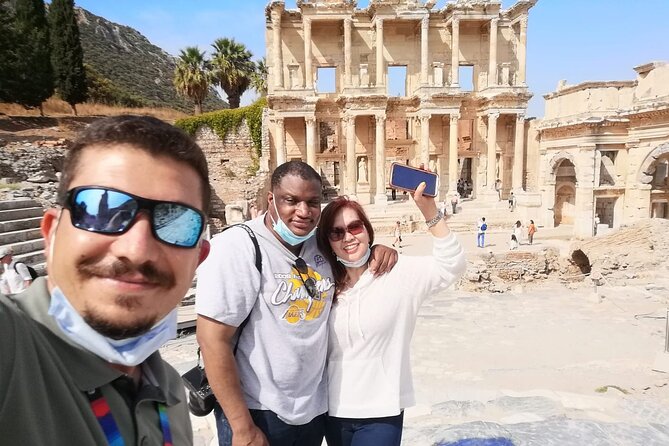
The package includes five nights of accommodation, five breakfasts, five lunches, airport transfers, and transportation between destinations. The operator describes the hotels as centrally located special-class properties with local character rather than large group hotels.
That can be useful, but hotel names and room standards are not provided. If a specific hotel matters to you, ask before booking. The same applies to flights, since the comparison notes refer to planes between destinations, while this six-day schedule mainly describes road transfers. Do not assume domestic flights are included unless the operator confirms them.
Meals are listed as family-owned local restaurants, which should give you more connection to regional food than a standard coach-tour dining plan. Drinks are not included, and personal expenses are yours.
The maximum group size of 12 is a major practical advantage. It should mean easier communication, quicker boarding, and a more personal guide experience than a large bus tour. The tour is described as suitable for most people and near public transportation, but several stops involve outdoor walking and uneven ancient surfaces.
Free entry is available for children aged eight and under at historical sites. Religious or national holidays may affect opening hours, so confirm the dates before you commit.
Who should book this route?
I would choose this trip if you have limited time and want a strong first pass through western Turkey. It suits visitors who value organized transport, want airport pickup, and prefer a guide to explain complicated sites such as Troy, Pergamon, and Ephesus.
It also suits couples, families with older children, and small groups who want a private-feeling format without arranging every hotel and transfer themselves. The six-day schedule is efficient, but it is not leisurely. You should be comfortable with long drives, early starts, and two-hour visits at major ruins.
I would not choose it if your main goal is a relaxed Istanbul stay, extended beach time in Kusadasi, or detailed archaeological study. In that case, add several independent days before or after the tour.
Should you book the Western Turkey Explorer?
Book it if you want Turkey’s greatest western highlights in one organized sweep and you value small groups, local meals, airport transfers, and experienced guiding. The strongest parts are the range of places, the compact group size, and the chance to connect Ottoman, Byzantine, Roman, Greek, and modern Turkish history in one route.
Before paying, confirm hotel names, the full list of entrance fees, the exact transport plan, and the guide assigned to your dates. If you accept the brisk pace and budget for extra admissions, $950 can be a fair price for a very full introduction to western Turkey.
FAQ
How long is the Western Turkey Explorer tour?
The tour lasts approximately six days, with two nights in Istanbul, one night in Canakkale, and two nights in Kusadasi. It ends around Pamukkale or Denizli Airport.
What is the maximum group size?
The tour has a maximum of 12 travelers.
Are airport transfers included?
Yes. Transfer services to and from airports are included, with pickup provided on arrival at Istanbul Airport. The final transfer can go to Denizli Airport or a hotel in Pamukkale, depending on your request.
Are entrance fees included?
No. Entry tickets to historical sites are not included. The guide is expected to have skip-the-line tickets available, but you still pay the admission costs.
Which meals are included?
Five breakfasts and five lunches are included. Beverages with meals and personal expenses are not included.
Where does the tour visit?
The route includes Istanbul, Gallipoli, Troy, Canakkale, Pergamon, Asklepion, Kusadasi, Meryemana, Ephesus, the Temple of Artemis, Pamukkale, and Hierapolis.
Can the itinerary be changed?
The experience allows the itinerary to be personalized to your interests. Confirm requested changes with Tour Altinkum Travel before booking, especially if you want to alter the route or sightseeing time.
Recently added in Istanbul
- Two (2) Days Istanbul Old City and Two Continents Walking Tour★ 5.0 · 6 reviews
- istanbul old city private tour★ 5.0 · 19 reviews
- Private Guided Tour: Discovering Istanbul★ 4.5 · 9 reviews
- Istanbul Airport (IST) To Hotels Transfer★ 5.0 · 80 reviews
- Best Of İstanbul Europe Side In One Day★ 5.0 · 10 reviews
- 2 Days Cappadocia Tour from Istanbul with Optional Balloon★ 5.0 · 10 reviews
- Hagia Sophia Private Skip The Ticket line guided Tour★ 4.5 · 17 reviews
- historical peninsula walking tour★ 5.0 · 6 reviews
6-Day Experiences, compared.

6 Days Turkey Tour Cappadocia, Pamukkale, Ephesus, Gallipoli Troy
Read our review →
6 Days Istanbul Cappadocia Tour in Spanish with 2 internal flights
Read our review →
6-Day Turkey Tour from Istanbul: Gallipoli, Troy, Ephesus, Pamukkale and Cappadocia
Read our review →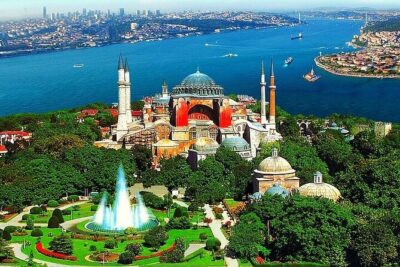
6-Day Private Guided Tour to Istanbul and Cappadocia
Read our review →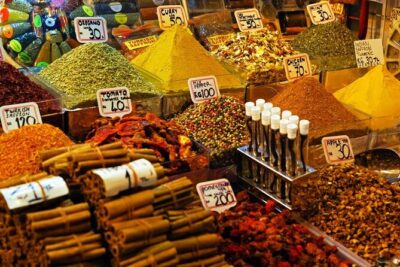
Cappadocia 6 Day Private Tour + Deluxe Balloon Ride
Read our review →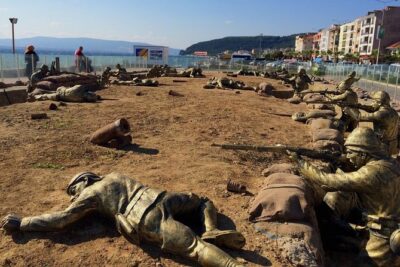
6 Days Turkey Tour Cappadocia, Ephesus, Pamukkale, Gallipoli, Troy Tour
Read our review →
6 Day Tour of Turkey, Istanbul, Cappadocia and Ephesus
Read our review →Browse the lists this tour appears in