
Reviewed · FENER AND BALAT TOURS
Fener and Balat – Old Greek & Jewish Quarter
Fener and Balat give you a different Istanbul: old homes, working streets, Orthodox landmarks, cats on doorsteps, and layered stories about Greek, Jewish, Christian, Muslim, Byzantine, and Ottoman life. I like the small maximum of 10 people and the way the tour connects neighborhood history with useful tram, ferry, bus, and cable-car advice.
I also like the human touches. Guides such as Salih, Omar, Burak, and Önder have been praised for clear English, humor, local insight, and help beyond the formal route. Tea, Turkish treats, homemade lemonade, or a rooftop snack may be part of the afternoon, depending on the guide and day. The main drawback is the walking: steep lanes, cobblestones, colorful steps, and close to 11,000 steps can make this tiring for some people.
Key points to know before booking
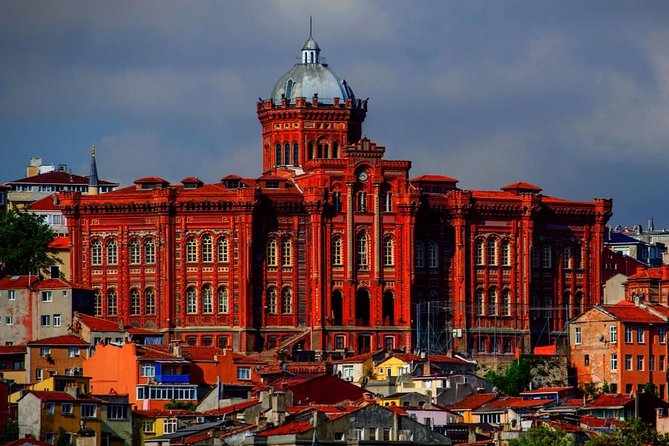
- Fener Rum Patriarchate: Learn about Istanbul’s Greek Orthodox past at one of the area’s major religious landmarks.
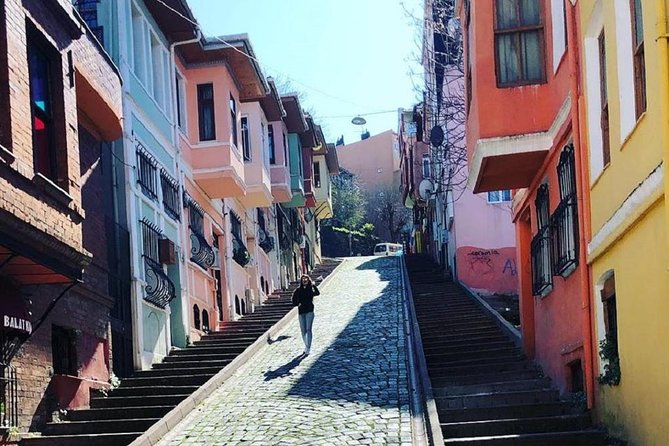
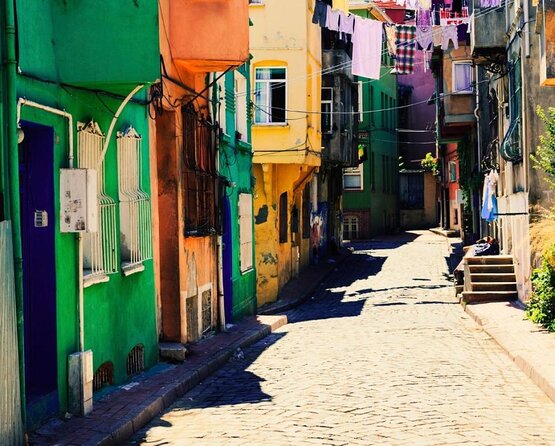
- Colorful Balat streets: See painted homes, narrow lanes, local shops, cats, and everyday neighborhood life.
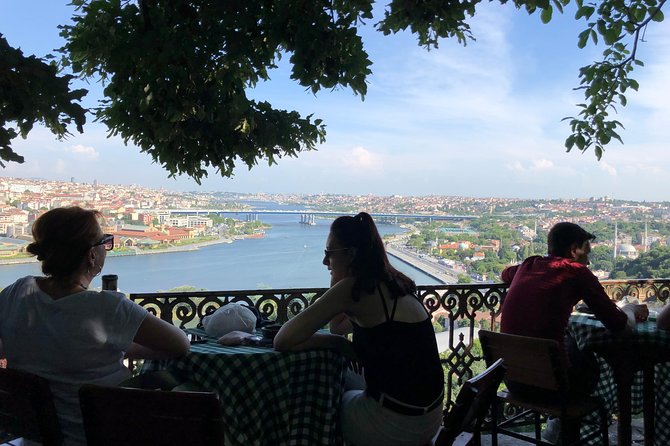
- Golden Horn and Pierre Loti: Add broad water views and a relaxed tea stop to the history walk.
- Useful transport practice: The afternoon can help you understand Istanbul’s tram, bus, ferry, and cable-car network.
- Small-group setting: The maximum is 10 people, and a quiet date may become a private tour.
- Steep walking route: Wear supportive shoes and allow time for hills, stairs, and uneven paving.
Why Fener and Balat feel different from old-town Istanbul
Most first visits to Istanbul center on Sultanahmet, the Blue Mosque, Hagia Sophia, and the Grand Bazaar. Fener and Balat offer a useful change of pace. You are still close to the historic core, but the streets feel more residential and less arranged for sightseeing.
The two districts sit along the Golden Horn, near the western side of the old city. For centuries, Jewish, Greek Orthodox, Armenian, Muslim, and other communities lived in and around this part of Istanbul. Their presence survives in religious buildings, house styles, street layouts, and local stories.
I like this kind of tour because the setting does not come in neat museum rooms. You see laundry, cafés, small businesses, old walls, restored façades, and homes that may need more care. The result is not a polished postcard version of Istanbul. It is a look at a living district shaped by many communities and several major changes in the city’s past.
Your guide adds the meaning that the streets alone cannot provide. The houses may catch your eye first, but the important part is understanding why the neighborhood developed as it did, how minorities lived under Ottoman rule, and how the fall of Constantinople affected the area around the Golden Horn and old city walls.
More Fener and Balat Walks:
- Istanbul: Fener Balat Half-day Guided Walking Tour
★ 4.9 · 1,711 reviews - Half day Fener-Balat Walking Tour in Turkiye
★ 5.0 · 308 reviews - Istanbul: Fener, Balat, Old Greek and Jewish Quarter Tour
★ 4.9 · 234 reviews
Starting at Rüstem Paşa and heading toward Fener
The meeting point is İtimat Fabrika Satış Yeri in Rüstem Paşa, on the European side of Istanbul. The tour begins at 2:00 pm and returns to the meeting point according to the listed plan.
The starting area is close to public transportation, which matters in a city where crossing a few districts can involve several transport modes. Your guide can help you get oriented before the walking begins. This is especially useful if you plan to continue sightseeing alone after the tour.
The route is not simply a straight walk from one famous monument to another. It combines neighborhood streets, religious landmarks, the Golden Horn, and transport connections. On some outings, the public transport portion has included trams, buses, a ferry, and the cable car toward Pierre Loti. The exact order can change, so treat the route as an active afternoon rather than a fixed museum schedule.
Fener Rum Patriarchate and Istanbul’s Greek past
The Fener Rum Patriarchate is one of the major stops. It introduces you to the Greek Orthodox story of Istanbul and gives the walk a strong historical anchor.
This is where a good guide matters most. A quick photograph of an imposing religious building tells you very little. The useful explanation connects the patriarchate to Constantinople, the Ottoman period, and the continued presence of Orthodox Christians in Istanbul.
You may also visit a Christian church during the afternoon. The Iron Church, formally associated with the Bulgarian Orthodox community, has been included on some outings and is especially memorable for its unusual metal construction. It is listed in the itinerary as the Bulgarian Orthodox Church.
Because the tour concerns Greek and Jewish heritage but also includes Bulgarian Orthodox history, you get a wider picture than the title alone suggests. The focus is not one community in isolation. It is the way different groups occupied the same city and left visible marks on its streets and buildings.
If religious and ethnic history interests you, this part can be the intellectual center of the afternoon. If you prefer only architecture and photography, the guide’s explanations may feel more detailed than expected. That is not a flaw, but you should choose this tour for context as much as for colorful façades.
Balat’s painted homes and steep lanes
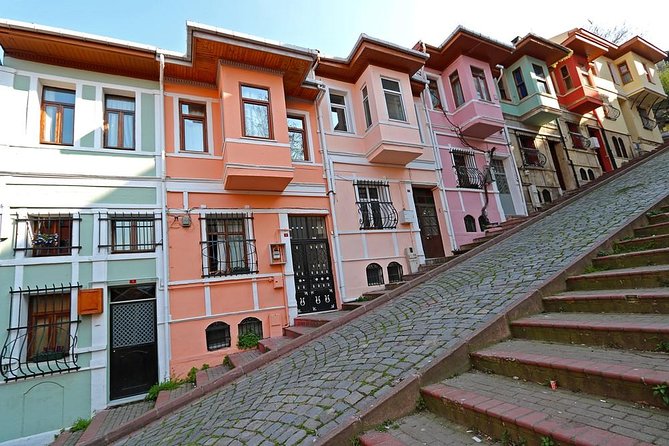
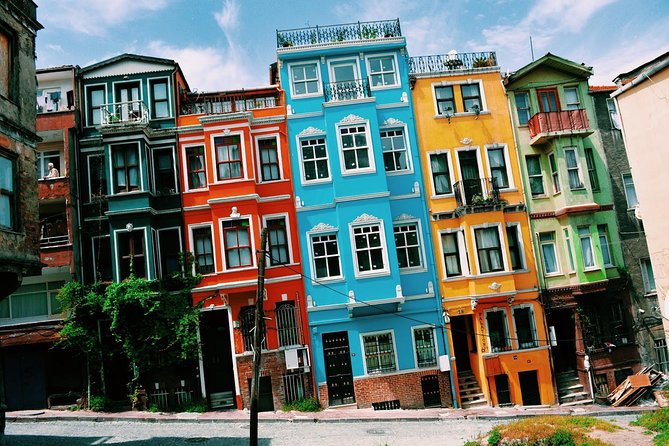
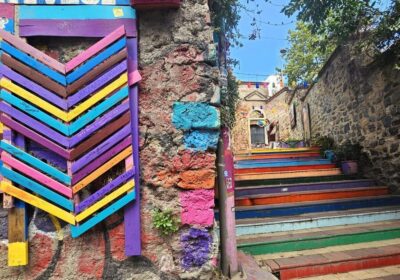
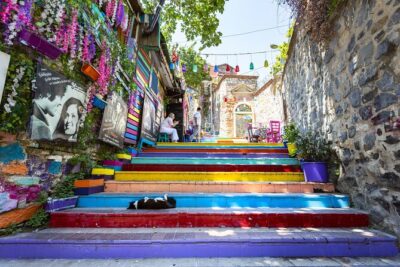
Balat is the most immediately photogenic section. Colorful homes, painted stairs, old façades, and narrow streets create the familiar images associated with the district.
The area rewards looking above street level. Details in windows, balconies, rooflines, and weathered walls help you see how 19th and 20th-century housing changed the appearance of the neighborhood. Your guide can point out architectural shifts that are easy to miss when you are focused only on taking photographs.
I would not call this a leisurely photo walk. The pace is described as steady, and one outing reached about 11,000 steps in three hours. You will have chances to stop, but the group also needs to keep moving through the route.
The streets can be steep and uneven. Colorful steps and cobblestones are part of the appeal, yet they also demand attention. Wear shoes with a firm sole, and do not book this as a low-effort activity if hills are difficult for you.
The residential character is just as important as the buildings. You may see people going about ordinary tasks, small cafés, local shops, and cats moving through the lanes. The point is not to treat Balat as a stage set. It is to notice how an old district functions today while carrying traces of its earlier communities.
More Jewish Heritage Tours in Istanbul:
- Jewish District Guided Walking Tour in Istanbul
★ 5.0 · 28 reviews - Istanbul: Jewish District 3-Hour Walking Tour
★ 4.6 · 24 reviews - Istanbul Jewish Quarter Walking Tour
★ 4.0 · 7 reviews
The Golden Horn and the fall of Constantinople
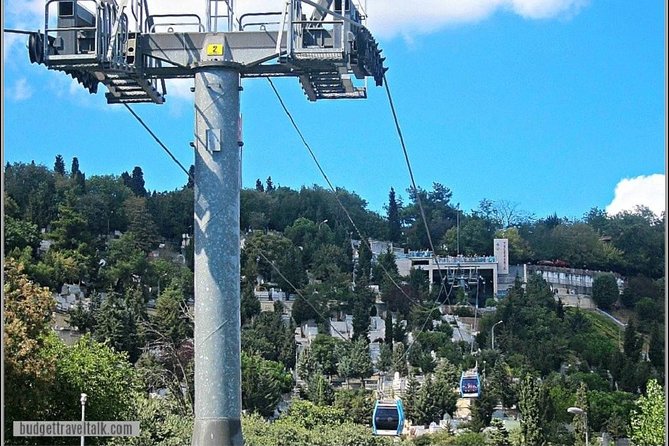
The Golden Horn section gives the walk a broader frame. From the water, or from viewpoints along its edge, you can understand why this inlet mattered to Constantinople and later Istanbul.
Your guide discusses the fall of Constantinople and the city’s Byzantine and Ottoman past while you walk beside the water. This setting helps turn a major historical event into something easier to picture. Fortifications, waterways, hills, and access routes were not abstract features. They shaped how the city was defended, supplied, and expanded.
The Golden Horn also provides a break from the tight streets of Fener and Balat. After climbing lanes and looking closely at houses, you get more open views and a chance to reset before the next section.
Some outings have used a ferry as part of the experience, and one account described enjoying salep while cruising. Since transport arrangements can vary, I would see this as a possible feature rather than a guarantee. In any case, the guide’s public transport advice is one of the tour’s practical strengths. You learn not only what you are seeing, but also how to move around Istanbul afterward.
Pierre Loti for tea and a wider view
Pierre Loti is included among the tour’s key sights and provides one of the afternoon’s most pleasant pauses. The café is associated with a high viewpoint over the Golden Horn, and reaching it can involve the cable car.
This is a good contrast to the lower neighborhoods. Fener and Balat reward close observation of streets and houses. Pierre Loti gives you a wider view and time to sit with a tea or snack.
Several guides have made the stop feel informal rather than rushed. Tea, Turkish treats, homemade lemonade, or a rooftop snack have featured on different outings. These details are not the reason to book the tour, but they help the afternoon feel like an introduction to local habits instead of a lecture delivered while walking.
The view is also a useful way to connect the route. From above, the Golden Horn and surrounding districts make more sense as one urban setting. You can see why the waterfront mattered and why the old neighborhoods remain attractive to photographers and anyone interested in Istanbul’s older streets.
What the guides add to the experience
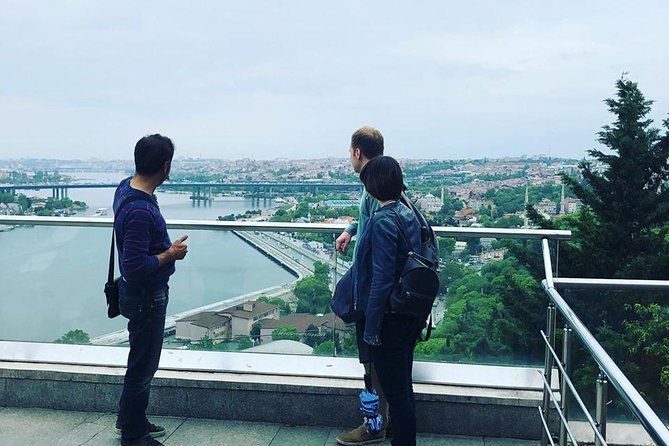
The provider uses several guides, including Salih, Omar, Burak, and Önder. The strongest pattern is clear English, strong command of local history, and a willingness to adjust the outing to the group.
Salih has been especially valued for practical help, including tram directions, photographs, and assistance getting back toward a ship or hotel. Omar is described as friendly and entertaining, with good explanations and Turkish treats. Burak is associated with detailed ethnic history, while Önder has been praised for connecting the sights to wider advice about seeing Istanbul.
Guide quality matters here because much of the appeal lies in stories rather than ticketed attractions. A guide who can explain the relationship between architecture, religion, migration, and daily life makes the walk far more useful.
The experience can also become private if you are the only person booked. That has happened on several occasions, and it changes the pace of the afternoon. You may be able to ask more questions, pause for photographs, or adjust the route. You should not count on a private tour, but the maximum of 10 keeps the group small even when more people join.
One note of caution: the tour relies on spoken explanation. A single poor rating came from a language mismatch, with the visitor finding the experience less satisfying. Since the program includes substantial information about Ottoman history, minority communities, and architecture, strong English comprehension will help you get the most from it.
Is $60.34 a fair price?
At $60.34 per person, this is not the cheapest way to see colorful streets in Istanbul. You can walk through parts of Fener and Balat independently for little money, especially if you already understand the transport system and enjoy researching history on your own.
The price makes more sense if you value interpretation and practical help. You are paying for roughly three hours with a guide, a planned route through several districts, historical explanation, transport guidance, and the chance to visit places you might otherwise pass without understanding.
The small-group limit also improves the value. A group of 10 is easier to manage on narrow streets than a large coach party, and a quiet date may give you a private experience without paying a separate private-tour rate.
I would book it early if the timing matters. The activity is often reserved about 38 days ahead, which suggests that popular dates can fill. Free cancellation is available up to 24 hours before the 2:00 pm start, while poor weather or a failure to meet the minimum group size can lead to a new date or a full refund.
Who should book this Istanbul walking tour?
This experience suits you if you want more than the main monuments. It is a good match for first-time visitors who want help using public transport, repeat visitors looking for a different side of Istanbul, and anyone interested in minority history, Orthodox Christianity, architecture, and ordinary neighborhood life.
Photographers will find plenty to work with, especially in Balat. Still, the steady route does not leave unlimited time for careful composition. If every doorway and stairway needs several minutes, you may feel hurried.
The walk also suits independent-minded people who like to continue exploring after a guided introduction. You may mark cafés, streets, churches, and viewpoints to revisit later. The guide can help you understand how to return by tram, ferry, bus, or cable car.
I would think twice if steep streets, long walks, or uneven paving are a serious concern. Most people can take part, but the route is not flat and not especially short in terms of steps. Rain can also affect the experience, since good weather is required.
The practical verdict
Book this tour if you want Fener and Balat explained rather than simply photographed. The strongest reasons are the small group, the guide-led context, the mix of Greek, Jewish, Christian, Muslim, Byzantine, and Ottoman stories, and the practical transport help.
Skip it if you want a slow café crawl, a flat route, or a tightly timed monument tour. For everyone else, this is a worthwhile three-hour introduction to a less familiar side of Istanbul, especially early in your stay when guidance on transport and neighborhoods can shape the rest of your visit.
FAQ
How long does the Fener and Balat tour last?
The tour lasts approximately three hours and begins at 2:00 pm.
Where does the tour start?
It starts at İtimat Fabrika Satış Yeri in Rüstem Paşa, Fatih, on Istanbul’s European side.
Where does the tour finish?
The listed plan says the activity ends back at the meeting point.
What places are included?
The route includes Fener Rum Patriarchate, Balat, the Golden Horn, and the Bulgarian Orthodox Church. Pierre Loti Café is also included among the highlighted experiences.
How many people can join?
The maximum group size is 10 people.
Is the tour offered in English?
Yes. The experience is offered in English.
How much walking is involved?
Expect substantial walking, including steep and narrow streets, cobblestones, and colorful steps. One outing covered about 11,000 steps in three hours.
Can I cancel for a full refund?
You can cancel at least 24 hours before the local start time for a full refund. Cancellations or changes made less than 24 hours before the start are not accepted for a refund.
Recently added in Istanbul
- Two (2) Days Istanbul Old City and Two Continents Walking Tour★ 5.0 · 6 reviews
- istanbul old city private tour★ 5.0 · 19 reviews
- Private Guided Tour: Discovering Istanbul★ 4.5 · 9 reviews
- Istanbul Airport (IST) To Hotels Transfer★ 5.0 · 80 reviews
- Best Of İstanbul Europe Side In One Day★ 5.0 · 10 reviews
- 2 Days Cappadocia Tour from Istanbul with Optional Balloon★ 5.0 · 10 reviews
- Hagia Sophia Private Skip The Ticket line guided Tour★ 4.5 · 17 reviews
- historical peninsula walking tour★ 5.0 · 6 reviews
Fener and Balat Tours, compared.



Colorful Fener & Balat Walking Tour w/Expert Guide
Read our review →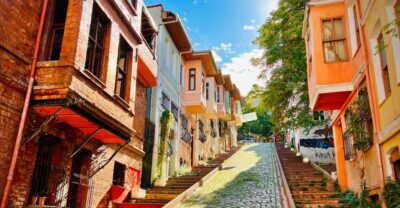
Fener, Balat, Old Greek and Jewish Quarter Tour
Read our review →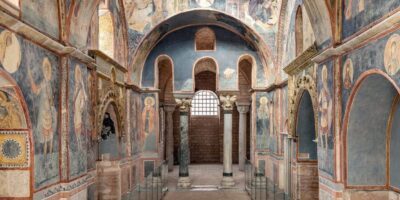
Fener & Balat Guided Tour through Colored Streets
Read our review →
Istanbul City Walk: Colors, Culture & History Fener Balat Tour
Read our review →Browse the lists this tour appears in