
Reviewed · HAGIA SOPHIA TOURS
Hagia Sophia History & Experience Museum Entry Tickets
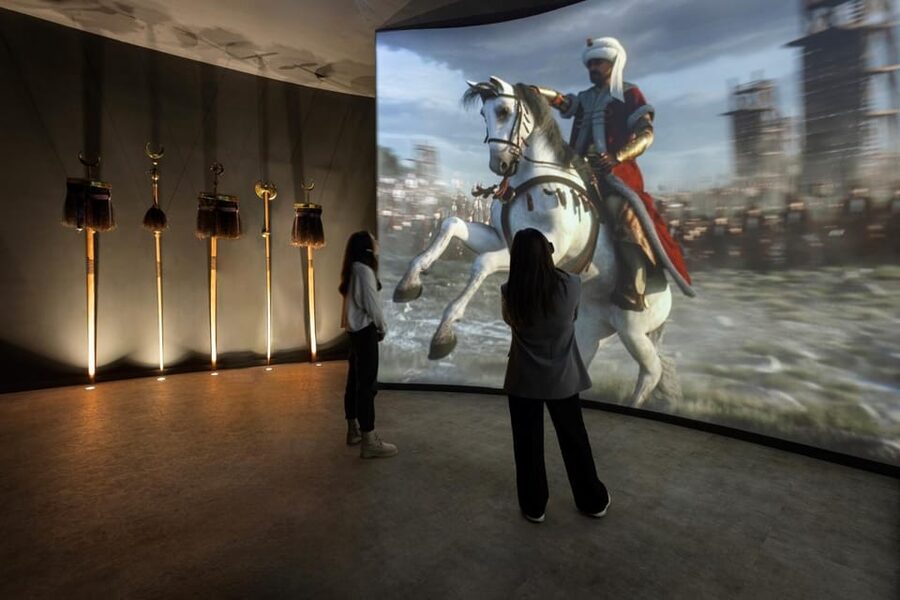
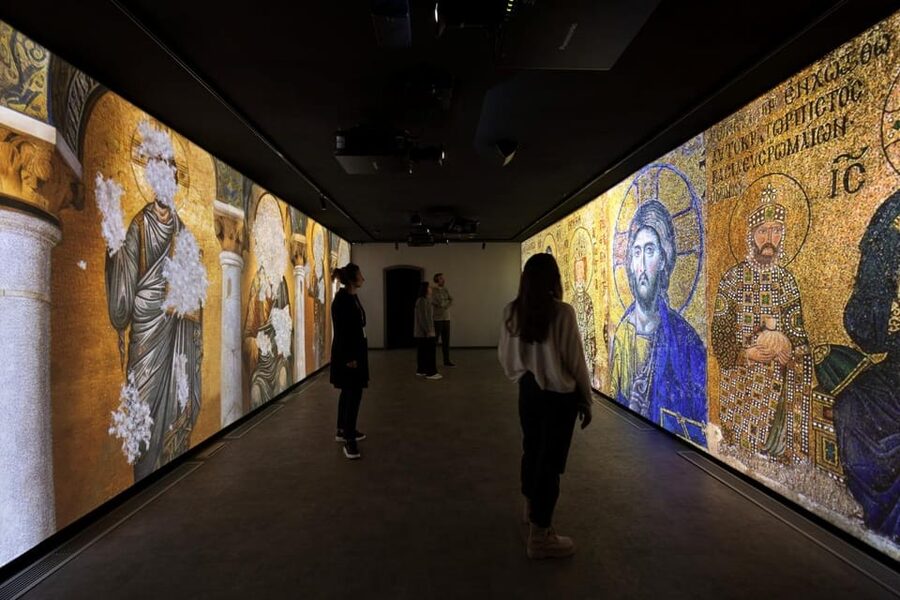
Hagia Sophia’s story is too large for a simple wall label. This museum uses film, sound, and interactive displays to explain how the building changed from Byzantine cathedral to Ottoman mosque and later museum. You enter on your own, follow the exhibits with a digital audio guide, and see the famous monument presented as both an architectural wonder and a meeting point of faiths.
I like the clear sweep through two major empires, and I like that the experience does more than point at a dome and say it is old. The main drawback is that the visit is heavily based on video and audio, with little seating, so it may feel rushed if you have a sore knee or prefer traditional objects and labels.
Key points to know before you go
- The story covers Byzantine and Ottoman eras: You get a broad account of Hagia Sophia’s changing religious and cultural role.
- It is self-guided: There is no live guide, so your QR ticket and audio-guide app do the work.
- Skip-the-line does not mean instant entry: Security checks can still create a wait, especially in peak season.
- The museum is mostly audio and video: This suits visitors who enjoy technology, but it may disappoint anyone expecting a large collection of physical artifacts.
- You need comfortable, non-slip shoes: Original steps and the historic structure require care.
- Children must be at least 8: Younger children cannot enter, and older children should be supervised.
Seeing Hagia Sophia through a new kind of museum
The Hagia Sophia History and Experience Museum is designed as an interpretation center rather than a standard room-by-room collection. Instead of simply looking at objects in glass cases, you move through a sequence of audiovisual presentations that explain the building’s past and meaning.
That approach matters at Hagia Sophia. The building has served as a Byzantine cathedral, an Ottoman mosque, and a museum, with each period leaving its mark on the structure and on Istanbul. A conventional museum display could explain those changes, but the sound and moving images help show how one building can carry several identities at once.
You should expect a presentation built around screens, recorded narration, and interactive elements. One visitor described it as almost entirely video and audio, which is useful information when deciding if it suits you. If you want a technology-led account of Hagia Sophia, this format can make the subject easier to follow. If you want original objects, long written explanations, or a quiet architectural study, the format may feel thin.
The museum’s strongest purpose is to provide context. Hagia Sophia is visually powerful, but its importance is not only in its size or dome. The exhibits connect the architecture to the people and periods that shaped it, helping you understand why it became a symbol of religious change and artistic achievement.
More Ways to See Hagia Sophia:
- Istanbul: Hagia Sophia Skip-the-Line Ticket & Museum Option
★ 3.7 · 4,958 reviews - Istanbul: Blue Mosque & Hagia Sophia Guided Tour w/ Tickets
★ 4.8 · 3,600 reviews - Istanbul: Hagia Sophia Skip-the-Line Ticket and Audio Guide
★ 4.3 · 2,246 reviews
The Byzantine chapter and the first great transformation
The first part of the story deals with Hagia Sophia’s Byzantine origins. The museum presents the building as a cathedral and explains its place in the Byzantine world. This gives you a useful starting point before the story moves into later changes.
The focus is on the building’s architectural and religious role rather than on a long list of unrelated objects. You can expect the displays to highlight the scale and design of the structure, along with the ways it represented Byzantine power and faith.
This is where the audiovisual style can help. A large building is hard to explain with a few paragraphs of text. Projected images and narration can show how the structure developed and why its design was so remarkable for its age. The experience is intended to make the architecture easier to picture as a living part of Istanbul’s past, not just an old monument.
You will not be led around by a historian. The digital audio guide provides the explanation, and you control your pace as you move through the museum. That freedom is useful if you want to pause, replay a section, or spend less time on material you already know.
The Ottoman chapter and a changing religious role
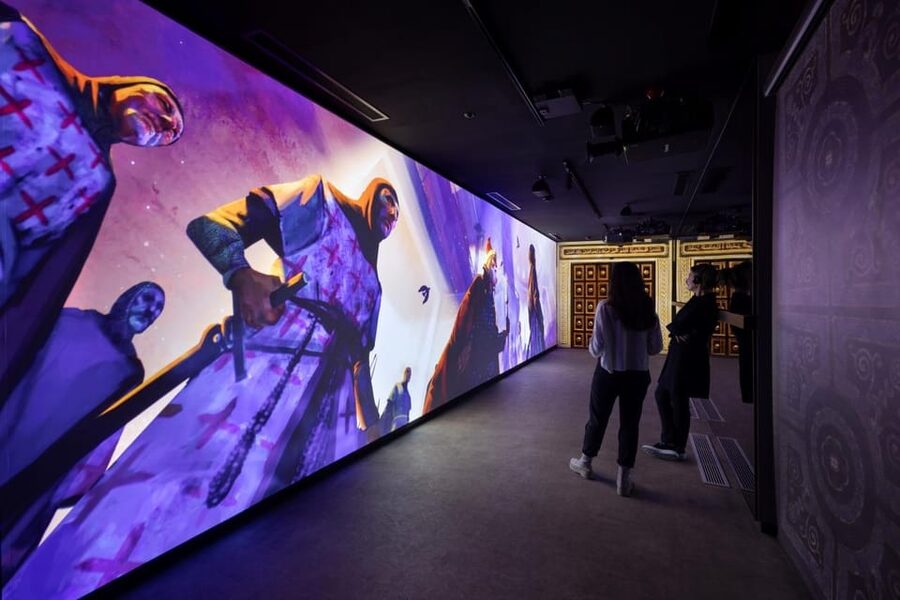
The next part follows Hagia Sophia into the Ottoman era. The museum explains how the building became a mosque and how its role changed under a new empire and religious tradition.
This section is important because it avoids presenting Hagia Sophia as belonging to only one period. The building’s meaning changed, but its earlier past did not simply disappear. The museum’s broad theme is continuity as well as change: Byzantine and Ottoman influences share the same architectural setting.
For you, the value is in seeing the building as part of a long sequence rather than a single historical snapshot. The presentation also helps explain why Hagia Sophia is often discussed as a symbol of religious contact and cultural exchange.
The exact amount of time you spend here depends on how closely you follow the audio guide. The experience is valid for one day, but the museum is open from 9:00 a.m. to 7:00 p.m. You do not need to treat it like a timed group tour. Still, one rating described the visit as rushed, so plan enough time rather than squeezing it between several major sights.
Architecture explained with sound and images
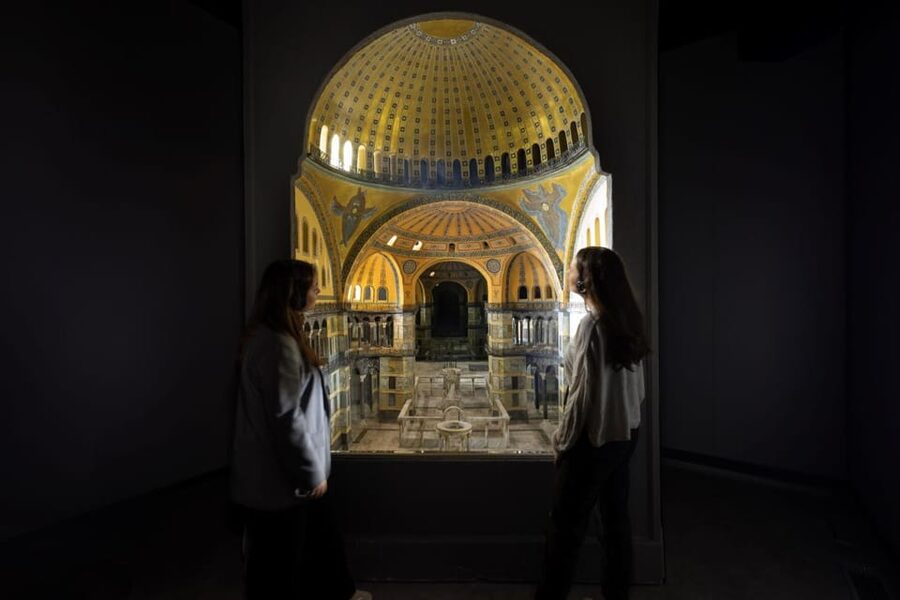
Hagia Sophia is famous for its architecture, and the museum gives that subject a central role. The displays focus on the building’s form and visual impact, helping you understand why the structure has drawn attention for centuries.
The multi-sensory design can make details easier to grasp than a basic audio commentary. Images can show parts of the building that are difficult to study from ground level, while narration provides the historical setting. This is especially useful if you have already seen photographs of the dome but want to understand how the building fits into a wider story.
There is a trade-off. The technology is the attraction, but it is also the limit. The experience is not a substitute for standing quietly inside the actual monument and examining every surface at your own pace. It is best treated as a structured introduction to Hagia Sophia’s importance, not as a full replacement for direct architectural observation.
The museum also asks you not to touch the exhibits, use flash photography, record video, or use a flashlight. Silence your phone inside. These rules protect the displays and keep the audio-led setting from becoming noisy.
More Museums in Istanbul:
- Istanbul: Hodjapasha Whirling Dervishes Show & Exhibition
★ 4.4 · 4,790 reviews - Istanbul: Topkapi Palace & Harem Museum Ticket & Audio Guide
★ 4.1 · 3,977 reviews - Istanbul Hodjapasha Whirling Dervishes Show & Exhibition
★ 4.0 · 503 reviews - Istanbul: Topkapi Palace and Harem Museum Tour with Ticket
★ 4.7 · 247 reviews
What the self-guided visit feels like
This is not a guided walking tour. You go to the provided address independently, present your QR-code ticket, and follow the museum route yourself. Your ticket and audio-guide link are sent by email and WhatsApp, when that service is used, one day before the selected date.
The audio guide is provided through a separate app, and the link should also appear in your voucher. You can also access the tickets through the activity provider’s app. Downloading the relevant app before leaving your hotel is sensible, since it reduces the chance of searching through messages at the entrance.
You should bring a passport or identity card. The information provided does not name a live guide, and there is no group leader to meet, so make sure you know where you are going before setting out. Two poor ratings came from difficulty finding the meeting point, including one case where a visitor was nearby but still missed the visit. That makes preparation especially important.
The ticket is described as skip-the-ticket-line entry, but it does not provide priority access at security. During busy periods, you may still wait at the checkpoint. In practical terms, this can save you from a ticket-purchase queue, but it does not guarantee immediate entry. Allow extra time if you have another booking afterward.
How much time and money should you allow?
The price is $34 per person, with entry valid for one day. Whether that is good value depends on what you want from Hagia Sophia.
You receive museum admission, a digital audio guide, and the convenience of arranging your own visit. That can be worthwhile if you prefer to avoid a large group and want a guided explanation without paying for a private historian. The audio guide also lets you move at your own speed.
The value is weaker if you mainly want to see a traditional collection of objects. One rating described the experience as 99 percent video and audio and suggested that similar material could be found online. That criticism is worth taking seriously. The point of paying is not simply to hear facts about Hagia Sophia. You are paying for a dedicated presentation in Istanbul, arranged around the building’s story and supported by visual technology.
I would allow at least enough time to follow the full presentation without hurrying. The precise visit length is not stated, so avoid booking another attraction immediately afterward. The museum is open for ten hours, from 9:00 a.m. to 7:00 p.m., and checking the available starting times before booking will help you choose a comfortable slot.
Cancellation is flexible up to 24 hours before the visit for a full refund, and you can reserve now and pay later. Those terms are useful when your Istanbul plans are still shifting.
Accessibility, steps, and the lack of seating
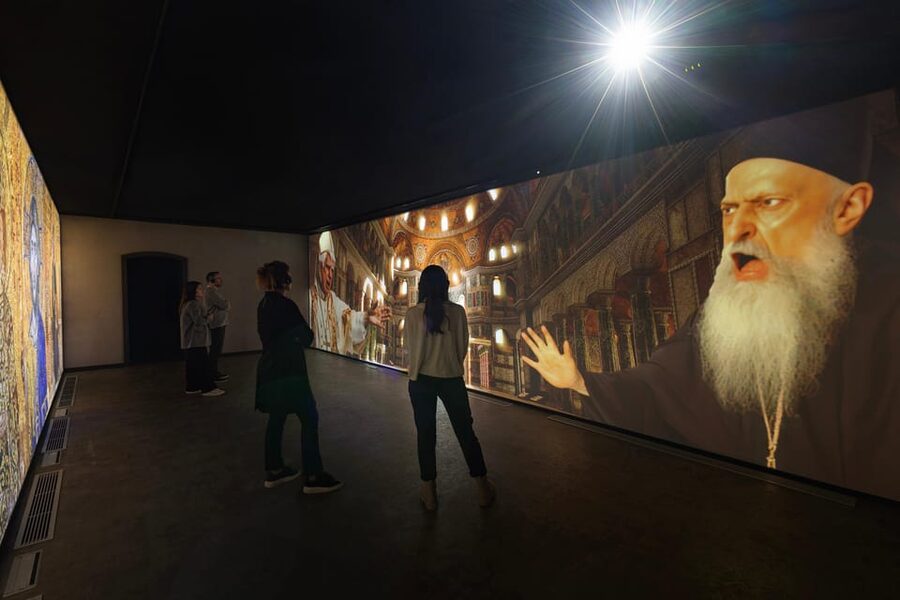
The museum is listed as wheelchair accessible, but the historic structure includes original steps. Wheelchair users are advised to bring a companion for easier movement through the exhibit areas.
Non-slip shoes are recommended for everyone. That is a small detail, but it matters in an old building with original steps and uneven surfaces. Comfortable footwear will also help if you plan to combine the museum with other sightseeing in the Sultanahmet area.
There is not much seating in the experience. One visitor with an arthritic knee found the lack of places to rest uncomfortable and felt the presentation moved too quickly. If you have even a minor mobility issue, plan conservatively. You may want a companion, extra time, and a visit when you are not already tired from a full day of walking.
The museum is not suitable for children under 8. Children aged 8 and above may enter, but you are responsible for supervising them and making sure they behave properly. The no-noise rule is particularly important in an audiovisual setting.
Large bags and luggage are not allowed. Pets cannot enter, except for assistance dogs. Weapons, sharp objects, food, drinks, smoking, alcohol, drugs, selfie sticks, flash photography, video recording, and flashlights are also prohibited. Loose clothing is listed among the items not allowed, so dress with the museum’s rules in mind.
Who will enjoy this experience most?
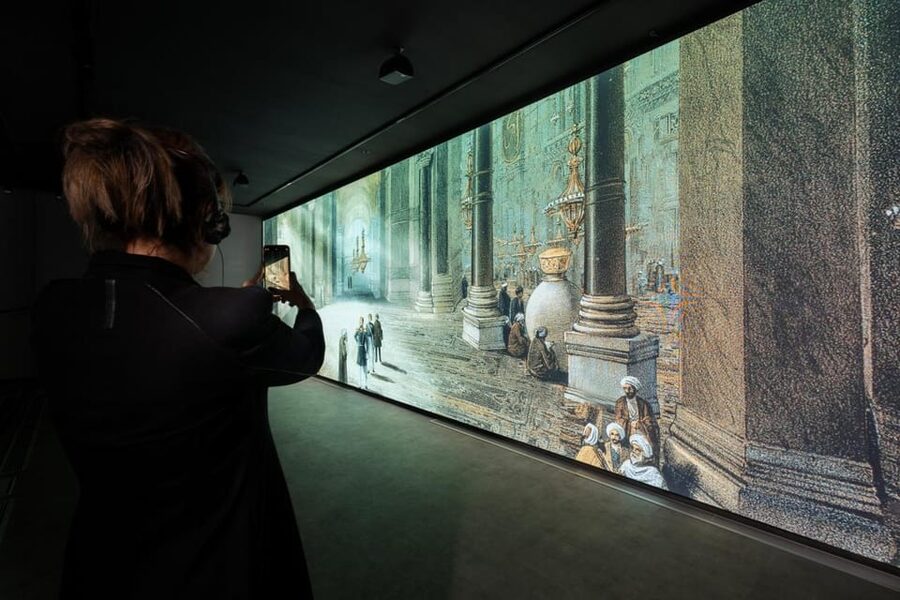
I would recommend it most to you if you like history presented through film, sound, and digital displays. It works well for visitors who want a structured introduction to Hagia Sophia before thinking more deeply about the building itself.
It is also a good fit if you prefer independent sightseeing. There is no need to keep up with a guide or join a group. You can use the audio guide, take in the displays, and make your own way through the museum.
The experience is less suitable if you want a live expert to answer questions. It may also disappoint you if you expect an extensive collection of physical artifacts or long periods of quiet sitting. The strongest praise has focused on the presentation being interesting and well put together, while the sharpest criticism has focused on the video-heavy format and limited comfort.
Families should note the age limit. Children under 8 cannot enter, and older children need close supervision. Visitors with mobility challenges should take the steps and lack of seating seriously, even though wheelchair access is available.
Practical tips for a smoother visit
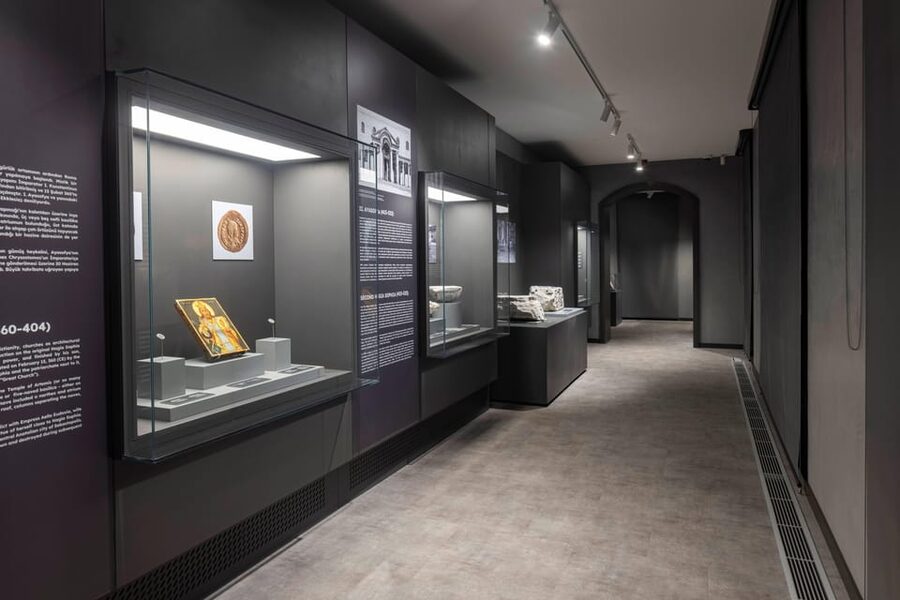
- Save the QR ticket to your phone before reaching the entrance.
- Check email and WhatsApp one day before your date for the ticket and audio-guide link.
- Download the provider’s app ahead of time if you want quick access to your documents.
- Bring your passport or ID card.
- Wear non-slip shoes, not just fashionable walking shoes.
- Leave luggage, large bags, food, and drinks behind.
- Allow time for security, since skip-the-line entry does not remove that wait.
- Silence your phone and do not take flash photographs or record video.
- Avoid booking another activity too close afterward.
- If you have a sore knee or tire easily, bring a companion and expect limited seating.
Should you book the Hagia Sophia History and Experience Museum?
Book it if you want a technology-based introduction to Hagia Sophia, especially one that connects Byzantine and Ottoman chapters in a single visit. The independent format, audio guide, one-day validity, and flexible cancellation make it easy to fit into an Istanbul schedule.
Think twice if you dislike screen-based exhibits or want a live guide. The $34 price is harder to justify for someone who only wants a quick look at the architecture, and the lack of seating may be a real problem for visitors with mobility concerns.
My practical call is simple: choose this museum as a companion to seeing Hagia Sophia, not as the only way to experience it. The presentation can give the building useful context, but its video and audio cannot replace the pleasure of studying the architecture itself at your own pace.
FAQ
Is this a guided tour?
No. You enter the attraction on your own and use the digital audio guide. No live guide is included.
What is included in the ticket?
The ticket includes entry to the Hagia Sophia History and Experience Museum, skip-the-ticket-line entry, and a digital audio guide.
Does skip-the-ticket-line entry mean I can avoid all queues?
No. Your ticket does not provide priority access at security checkpoints. During busy periods, you may still need to wait.
How do I receive my ticket?
Your QR-code ticket is sent one day before the visit by email and through WhatsApp if that service is used. The ticket can also be accessed through the activity provider’s app.
What are the museum’s opening hours?
The museum is open from 9:00 a.m. to 7:00 p.m.
How old must children be to enter?
The minimum age is 8. Children aged 8 and above should be supervised and must behave appropriately inside the museum.
Is the museum wheelchair accessible?
Yes, the museum is listed as wheelchair accessible. Because of the historic structure and original steps, wheelchair users are advised to bring a companion.
Can I bring luggage, food, or drinks?
No. Luggage or large bags, food, and drinks are not allowed. Weapons, sharp objects, pets except assistance dogs, selfie sticks, flashlights, and several other items are also prohibited.
Can I cancel the booking?
Yes. You can cancel up to 24 hours in advance for a full refund. You can also reserve now and pay later.
More Historic Sites in Istanbul
- Istanbul Gedikpasa Historical Turkish Bath with Privacy Option
★ 5.0 · 1,285 reviews - Istanbul: Acemoglu Historical Turkish Bath w/Private Options
★ 4.6 · 1,190 reviews - Istanbul: Gedikpasa Historical Hammam with Privacy Add-On
★ 4.8 · 918 reviews - Istanbul Historical Tour with Guide, Lunch and Transfers
★ 4.5 · 561 reviews
Recently added in Istanbul
- Two (2) Days Istanbul Old City and Two Continents Walking Tour★ 5.0 · 6 reviews
- istanbul old city private tour★ 5.0 · 19 reviews
- Private Guided Tour: Discovering Istanbul★ 4.5 · 9 reviews
- Istanbul Airport (IST) To Hotels Transfer★ 5.0 · 80 reviews
- Best Of İstanbul Europe Side In One Day★ 5.0 · 10 reviews
- 2 Days Cappadocia Tour from Istanbul with Optional Balloon★ 5.0 · 10 reviews
- Hagia Sophia Private Skip The Ticket line guided Tour★ 4.5 · 17 reviews
- historical peninsula walking tour★ 5.0 · 6 reviews
Hagia Sophia Tours, compared.

Hagia Sophia Skip-the-Line Ticket & Museum Option
Read our review →
Blue Mosque & Hagia Sophia Guided Tour w/ Tickets
Read our review →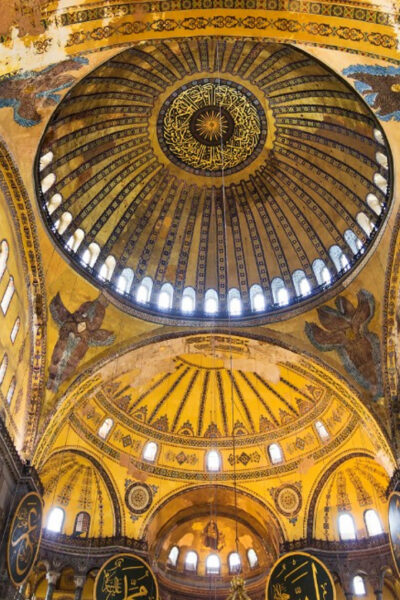
Hagia Sophia Skip-the-Line Ticket and Audio Guide
Read our review →
Blue Mosque, Hagia Sophia, & Basilica Cistern Tour
Read our review →
Hagia Sophia Skip-the-Line Ticket with Audio Tour
Read our review →
Blue Mosque, Basilica Cistern, & Hagia Sophia Tour
Read our review →
Hagia Sophia Skip-the-Ticket Line & Audio Guide
Read our review →Browse the lists this tour appears in