
Reviewed · 3-DAY EXPERIENCES
Colors of Istanbul: 1, 2 or 3-Day Guided Private Istanbul Tours
Istanbul rewards a good plan, and this tour lets you shape one around the city’s big sights and local corners. I like the private format, which gives your group room to ask questions and adjust the pace. I also like the choice of a Bosphorus boat ride, colorful Balat, and the classic Sultanahmet monuments in one flexible package.
The main catch is that the advertised price covers the group and guide, not several major admission fees, meals, or transport between sites. You should also expect a lot of walking, even if you add a vehicle. One previous guest found the guide excellent but tiring to draw information from, so guide quality and communication about the day’s plan matter.
Key points to know before booking
- Choose one, two, or three days: You can focus on the old city or spread the sights over a longer visit.
- Private group of up to 12: Your guide works with only your party, rather than a large open tour.
- Major fees come extra: Hagia Sophia costs 25 euros per person, and Topkapi Palace costs 2,750 Turkish lira per person.
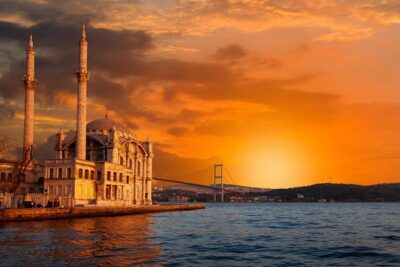
- The Bosphorus is part of the two-day option: The shared public boat passes Ottoman palaces, Ortakoy Mosque, and Rumeli Fortress.
- Several sites have fixed closing days: The Grand Bazaar closes Sunday, Topkapi Palace closes Tuesday, and the Blue Mosque and Hagia Sophia open later on Friday.
- Pickup depends on location: Sultanahmet hotels and Galata Port are covered, while other hotels use a meeting point by the German Fountain.
A private way to sort out Istanbul’s many layers
Istanbul is not a city you understand from one postcard view. Roman sporting grounds, Byzantine engineering, Ottoman court life, working markets, Christian institutions, Jewish heritage, and modern shopping streets all sit within a fairly compact area. A private guide can help you connect those pieces instead of treating each monument as a separate photo stop.
The base price is $240.30 per group of up to 12 people. That can be good value for a family or small group, especially across two or three days. For two people on a one-day tour, it is a much larger cost per person than using public transport and a guidebook. The price makes more sense if you value a tailored route, hotel pickup in the central area, and a guide who can explain what you are seeing.
You can book a tour lasting about seven to fourteen hours, depending on the option and itinerary. The schedule is ambitious. You may cover the main Sultanahmet sights in one full day, but adding Topkapi Palace, a boat ride, Balat, Dolmabahce Palace, and Galata can make the longer options more comfortable.
The experience is offered in English. Guides named in past bookings include Aisha, Serkan Mert, Sercan, Cem, Erdem, and Abdülhamit. Availability of a particular guide is not promised, but these examples show the kind of professional local guide the company has used.
A few more Istanbul bookings to weigh up
- Best of Istanbul 1, 2 or 3-Day Private Guided Istanbul Tour
★ 5.0 · 8,922 reviews - Best Of Istanbul: 1, 2 or 3 Day Private Guided Tour
★ 5.0 · 435 reviews - Full Day Istanbul 1, 2 or 3-Day Private City Guided Tour
★ 4.7 · 411 reviews
Sultanahmet begins with the city’s imperial core
The tour starts in Sultanahmet, the historic center where several of Istanbul’s essential sights sit close together. You first get your bearings around the district and the Hippodrome, the old center of sports and public life in Constantinople.
The Hippodrome itself is now an open urban space, so there is no admission fee. Your guide can point out the German Fountain of Wilhelm II, the Egyptian Obelisk, the Serpentine Column, and the Column of Constantine. The listed stop is only about 15 minutes, but it gives useful context before you enter the monuments.
This is one place where a guide earns their keep. Without background, the monuments can look like four unrelated objects. With a clear explanation, they become clues to Roman and Byzantine power, imperial ceremony, and the long connection between Istanbul and the wider Mediterranean world.
Hagia Sophia and the Blue Mosque need careful timing
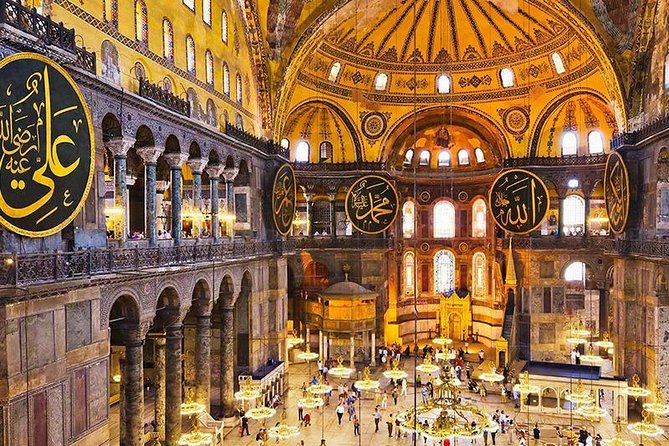
Hagia Sophia receives about an hour. The building began as a church under Emperor Justinian in the sixth century, became a mosque after the Ottoman conquest in 1453, served as a museum from 1935, and is now a mosque again. That changing use is central to understanding both the building and present-day Istanbul.
Admission is not included, and the stated fee is 25 euros per person. Your guide does not have skip-the-line priority because Hagia Sophia is no longer a museum. You may need to wait at security, so an early start at 8:30 or 9:00 in the morning is a practical choice.
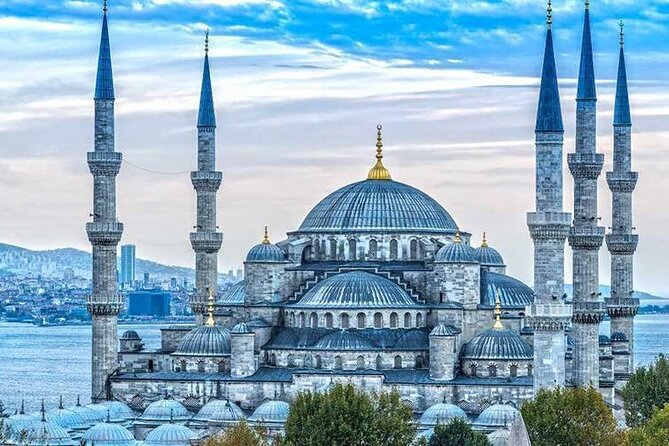
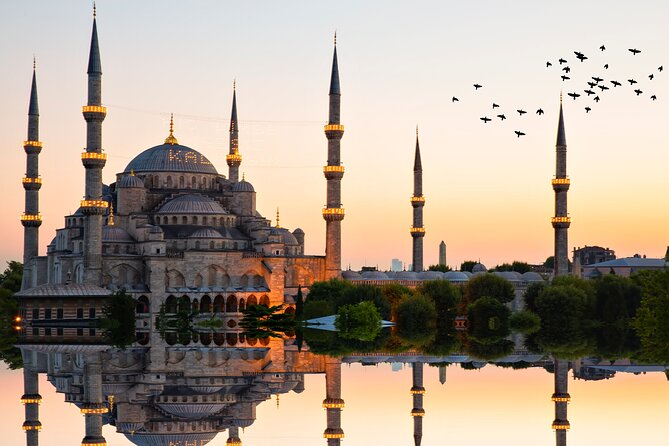
The Blue Mosque, also called Sultanahmet Mosque, gets about an hour and is free to enter. Its six minarets make it instantly recognizable, but the interior details are the real reason to slow down. It is closed on Friday, while Hagia Sophia and the Blue Mosque are closed until 2 p.m. on Fridays, so the route shifts to the afternoon on that day.
Remember that these are active religious sites. Your guide will help with the timing and visit arrangements, but you should dress and behave appropriately, and expect the sightseeing rhythm to follow prayer schedules.
The Basilica Cistern gives you a change of pace
After grand mosques and open squares, the Basilica Cistern feels like another world. This underground Byzantine water store once supplied clean water, especially when the city faced siege. The one-hour stop lets you look beyond the palace and mosque story to the basic systems that kept Constantinople alive.
Admission is extra. The cistern is also a good reason to appreciate a guided route, since the purpose of the space is easy to miss if you simply walk through and photograph the columns. Your guide can explain how water storage fit into the city’s defenses and daily life.
The stop is indoors, but the complete day still involves plenty of walking between sites. Comfortable shoes matter more here than polished holiday footwear.
A different side of Istanbul on the same trip:
- Istanbul: Bosphorus Dinner Cruise & Show with Private Table
★ 4.8 · 44,561 reviews - Istanbul: Daytime or Sunset Sightseeing Cruise & Audio Guide
★ 4.8 · 14,430 reviews - Istanbul: Bosphorus Dinner Cruise with Turkish Night Show
★ 4.8 · 10,127 reviews - Istanbul: Basilica Cistern Fast-Track Entry and Audio Guide
★ 4.6 · 7,521 reviews
Topkapi Palace needs time, energy, and an extra fee
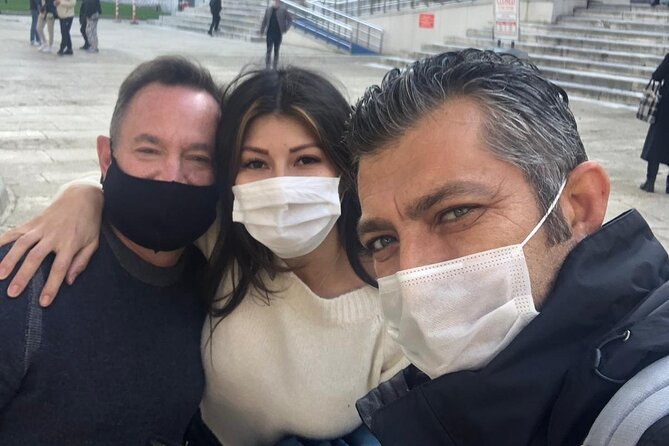
Topkapi Palace is allotted about 90 minutes, though you may want more if you are especially interested in Ottoman court life. It served as the home of the Ottoman dynasty and also as a center for education, administration, art, and ceremony.
Inside, the route can include the imperial treasury, sacred Islamic relics, palace kitchens, and weapons. These collections help explain how the Ottoman court operated, not just how it looked. I would give Topkapi priority over trying to squeeze in every smaller stop, especially on a one-day visit.
The admission charge is listed as 2,750 Turkish lira per person. You can pay the guide for skip-the-line tickets, according to the tour details. Topkapi is closed Tuesdays, when an alternative is arranged. Confirm the replacement plan before the day begins, since the palace is one of the tour’s main attractions.
A morning visit can work well. One past booking described a morning Topkapi route with a steady pace and fewer afternoon crowds. That does not guarantee quiet conditions, but it is a sound reason to start early.
The Grand Bazaar is more than a shopping stop
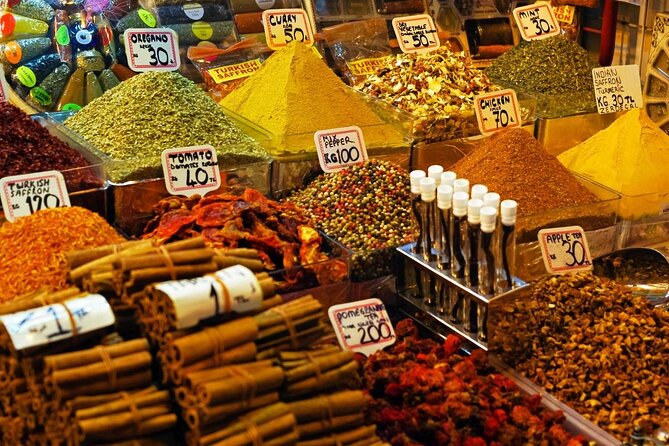
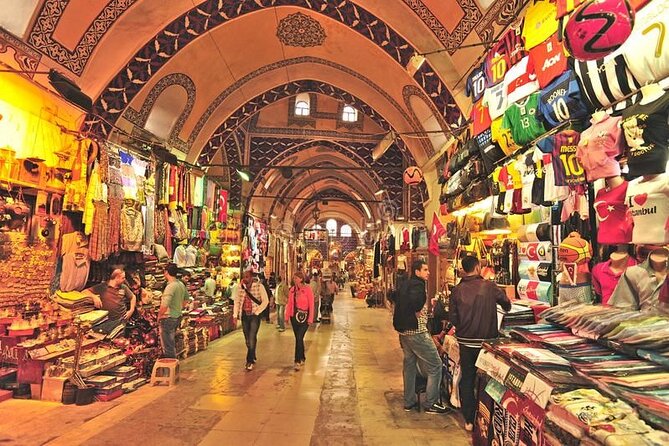
The Grand Bazaar receives about an hour and is free to enter. It is a huge covered market with carpets, leather, jewelry, Turkish delight, gold, antique tiles, and many other goods.
You should treat this as a cultural stop as well as a buying opportunity. The market is a place to observe bargaining, shop design, and the way Istanbul has long linked commerce with daily life. You do not need to purchase anything, and you should feel free to set your own limits on shopping time.
The bazaar closes every Sunday. It can be replaced by the Spice Market, also called Misir Carsisi, where the focus shifts toward spices, sweets, and small gifts. If shopping is not your priority, tell your guide early so the time can be used in a way that suits your group.
One caution is important. A past one-day booking felt pressured by stops at a carpet shop, a Turkish delight shop, and a lunch venue. These stops are not presented as fixed items in the main route, but you should ask in advance if you want to avoid commercial visits.
The Bosphorus adds Istanbul’s best wide view
The two-day option includes a two-hour Bosphorus tour on a shared public boat. This is a smart addition because Istanbul makes more sense from the water. You see the city as a meeting point between Europe and Asia rather than as a collection of old streets.
The route includes views of Dolmabahce Palace, Beylerbeyi Palace, Ciragan Palace, Ortakoy Mosque, Rumeli Fortress, and other waterfront sights. Admission is not included, and the boat is shared rather than private. That is worth knowing if you expect a quiet chartered cruise.
I like this part of the plan because it gives your feet a rest while adding a different view of the city. It also helps break up a long sequence of interiors and monuments. If you only have one day, you may need to choose between the Bosphorus and some of the neighborhoods on the longer itinerary.
Istiklal Street and Galata show modern Istanbul
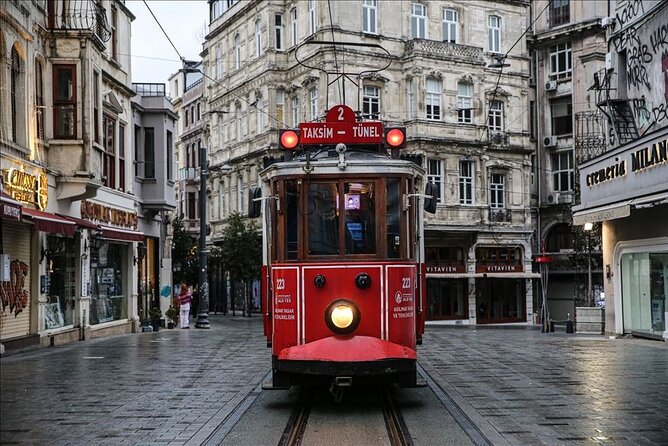
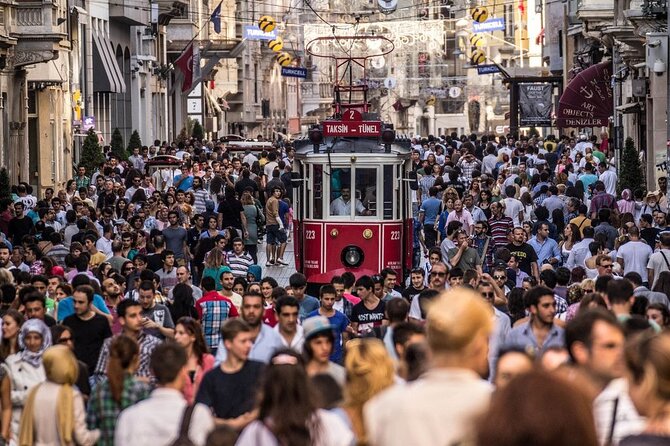
Istiklal Caddesi is a 30-minute walk through one of the city’s best-known central streets. You pass boutiques, international stores, embassies, hotels, apartment buildings, churches, museums, cafes, restaurants, bars, and clubs.
The short scheduled time suggests a quick orientation rather than a full exploration. If you enjoy city walking and people-watching, you may want to ask for more time here, particularly if the tour is spread across two or three days.
At the end of Istiklal, the Galata area brings older neighborhoods and modern city life together. Galata Tower is seen from outside, with about 15 minutes scheduled. The tower was built in 1348 by the Genoese community, who called it the Tower of Christ. Entry is not included, but you can pay separately if you want to go inside.
Suleymaniye Mosque and the Spice Market add depth
Suleymaniye Mosque was built in the 16th century by the Ottoman architect Mimar Sinan for Sultan Suleyman the Magnificent. It is free to enter and receives about an hour.
This stop is useful because it takes you beyond the most famous Blue Mosque. Suleymaniye offers another way to see Ottoman religious architecture and the ambitions of Sultan Suleyman’s reign. Your guide can also place Sinan’s work within the larger story of Ottoman building and court culture.
Misir Carsisi, or the Spice Market, takes about an hour and is free to enter. Its goods make it a more focused market stop than the Grand Bazaar, with spices, sweets, and presents for family and friends. It also gives you a chance to compare two different kinds of commercial space rather than treating all Istanbul markets as interchangeable.
Dolmabahce Palace and the late Ottoman era
Dolmabahce Palace is a one-hour stop, with admission extra. Built in the 19th century, it served as the administrative center of the late Ottoman Empire and housed the final Ottoman sultans. The grand hall also hosted the first parliament.
This palace adds a useful contrast to Topkapi. Topkapi represents an older Ottoman court shaped by enclosed gardens, ceremonial rooms, and centuries of imperial custom. Dolmabahce reflects a later period and a more European-facing style. Seeing both helps you understand the changes within the empire rather than imagining Ottoman history as one unchanging period.
Because the palace fee is extra and time is limited, ask your guide what areas you will see and how the visit fits with the rest of the day.
Balat and Fener bring the city back to street level
Balat is one of the most distinctive neighborhood walks in the longer route. You pass colorful buildings, clotheslines, churches, synagogues, cobblestone streets, children playing football, and residents going about ordinary routines.
The area grew after 1492 as Sephardic Jews arrived from Spain, alongside Greek and Armenian Christians and Muslims. That mixture gives the walk a human scale that grand palaces cannot provide. You see how different communities shaped the city block by block.
Nearby Fener is home to the Greek Orthodox Patriarchate. The Greek Orthodox Patriarchal Church is a major site for Orthodox Christians, and the guide explains why Mehmet II allowed the institution to remain in Istanbul after conquering Constantinople. This is exactly the sort of context that can be hard to gather by walking alone.
Balat and Fener are also less predictable than a museum visit. Streets may be uneven, the pace may slow, and the area is a living neighborhood rather than a polished attraction. That is part of the appeal, but it calls for respectful behavior and attention to local life.
Timing, transport, and the walking reality
Pickup is offered at hotels in Sultanahmet or at Galata Port. If your hotel is outside the central pickup area, the meeting point is in front of the German Fountain. When no vehicle service is selected, the guide meets you at a Sultanahmet hotel and continues on foot.
A vehicle can help with distances between districts, but it will not eliminate walking. One booking used a car and still involved enough walking to feel tiring. The old city’s monuments are often close enough to reach on foot, while traffic can make a car slower than expected.
The tour is private for your own group, with a maximum of 12 people. That is a useful size for questions, though a group of 12 still moves more slowly than two or four people. Tell the guide your priorities at the start: museums, religious buildings, architecture, shopping, food, neighborhoods, or photography.
Free cancellation is available up to 24 hours before the start time. Cancellations or changes inside that window are not refunded or accepted. Several public holidays also affect museum and market openings, including New Year, Ramadan and Eid celebrations, and Republic Day on October 29.
Is this Istanbul tour worth booking?
Book it if you want a private guide to connect Ottoman, Byzantine, Roman, Christian, Jewish, and modern Istanbul in one planned route. It suits first-time visitors with limited time, families who want help setting the pace, and groups that can share the $240.30 cost.
The two-day choice is probably the best balance. It gives you the old city, a Bosphorus boat ride, and room for neighborhoods such as Balat and Fener without forcing every sight into one exhausting march. Three days makes sense if you want the full mix, including Dolmabahce, Galata, the bazaars, and more time to ask questions.
Choose another approach if you prefer complete independence, dislike shopping-oriented stops, or want to spend long, unhurried hours inside each palace. Before paying, confirm the start time, vehicle choice, included stops, replacement plans for closed sites, and all admission costs.
FAQ
How much does the private Istanbul tour cost?
The listed price is $240.30 per group of up to 12 people. Admission fees, meals, drinks, personal expenses, guide gratuity, and transport between sites are not included.
What admission fees should I budget for?
Hagia Sophia has an admission fee of 25 euros per person. Topkapi Palace costs 2,750 Turkish lira per person. Dolmabahce Palace, the Basilica Cistern, and the Bosphorus boat ride also list admission or participation costs as not included.
Is hotel pickup available?
Pickup is offered from Sultanahmet hotels and Galata Port. If your hotel is outside the central area, the meeting point is in front of the German Fountain. Vehicle service is optional.
What happens if the Grand Bazaar is closed?
The Grand Bazaar is closed every Sunday. It can be replaced with the Spice Market.
What happens if Topkapi Palace is closed?
Topkapi Palace is closed every Tuesday. The tour provides alternative arrangements on that day.
Is the Bosphorus cruise included in every option?
The two-hour Bosphorus tour by shared public boat is included in the two-day option. It is not described as part of every tour length.
Can I visit Galata Tower?
The tour sees Galata Tower from outside. You can pay an additional entrance fee if you want to go inside.
Recently added in Istanbul
- Two (2) Days Istanbul Old City and Two Continents Walking Tour★ 5.0 · 6 reviews
- istanbul old city private tour★ 5.0 · 19 reviews
- Private Guided Tour: Discovering Istanbul★ 4.5 · 9 reviews
- Istanbul Airport (IST) To Hotels Transfer★ 5.0 · 80 reviews
- Best Of İstanbul Europe Side In One Day★ 5.0 · 10 reviews
- 2 Days Cappadocia Tour from Istanbul with Optional Balloon★ 5.0 · 10 reviews
- Hagia Sophia Private Skip The Ticket line guided Tour★ 4.5 · 17 reviews
- historical peninsula walking tour★ 5.0 · 6 reviews
3-Day Experiences, compared.
Best Of Istanbul: 1, 2 or 3 Day Private Guided Tour
Read our review →
Full Day Istanbul 1, 2 or 3-Day Private City Guided Tour
Read our review →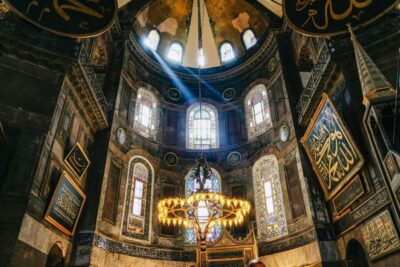
Best of the City 1, 2 or 3-Day Private Guided Tour
Read our review →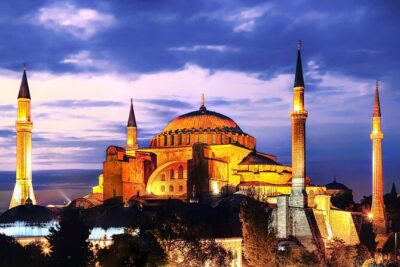
Istanbul City and Hidden Gem Private Guided Tour 1, 2, 3 Day opt.
Read our review →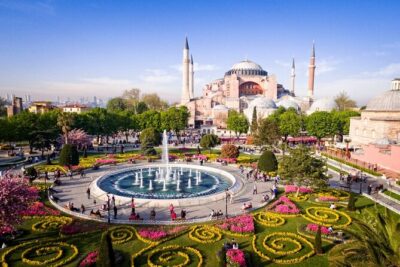
Private Istanbul Tour with Guide for 1, 2 or 3 Day Options
Read our review →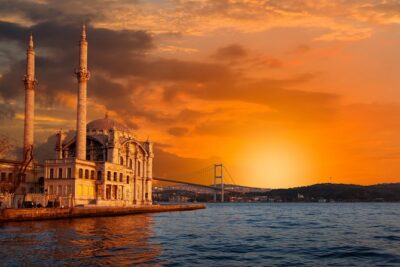
Skip-The-Line:1, 2 or 3 Days Private Istanbul Guided Tour
Read our review →
3 Day Gallipoli in Depth Tour from Istanbul with Troy
Read our review →Browse the lists this tour appears in