Reviewed · TOURS
Tour of Byzantine and Constantinople in Istanbul
Istanbul’s Byzantine past is easiest to grasp at the city’s western edge, where Yedikule Fortress and the Golden Gate reveal how Constantinople guarded its land entrance from Europe. You then follow the old walls toward Blachernae, ending among the Greek, Bulgarian, and Armenian streets of Fener and Balat.
I like the private format, hotel pickup, and freedom to adjust the pace. The strongest guides, including Emre, Yunus, and Yesil, have answered detailed questions and shaped the day around personal interests. The main drawback is that six hours can feel long if you only want the fortress and walls, since some church visits may feel less important to you.
Key points to know before booking
- Yedikule Fortress gives you the day’s clearest military setting: You see the Golden Gate, the western defenses, and the remains of the walls in one powerful opening stop.
- The route reaches parts of Istanbul many visitors skip: Fener and Balat offer old houses, churches, shops, and local streets far from the usual Sultanahmet circuit.
- This is a private tour, not a fixed group walk: Your group alone participates, and the guide can adjust the pace and focus.
- The itinerary mixes major remains with short visits: Yedikule Fortress and Tekfur Palace each receive about an hour, while the walls receive only 10 minutes.
- Church visits call for cultural sensitivity: Vlaherna Meryem Ana is still a religious site, and access or behavior may be shaped by on-site security.
- The $230 price buys time and transport as much as sightseeing: It makes more sense for a small group than for a solo visitor comparing it with a simple self-guided day.
Seeing Constantinople from the Golden Gate
The tour begins with hotel or address pickup at 10:00 am. Since this is a private activity, you do not have to match the pace of a large coach group or wait for strangers at every stop. That matters on a route spread across the western side of old Istanbul.
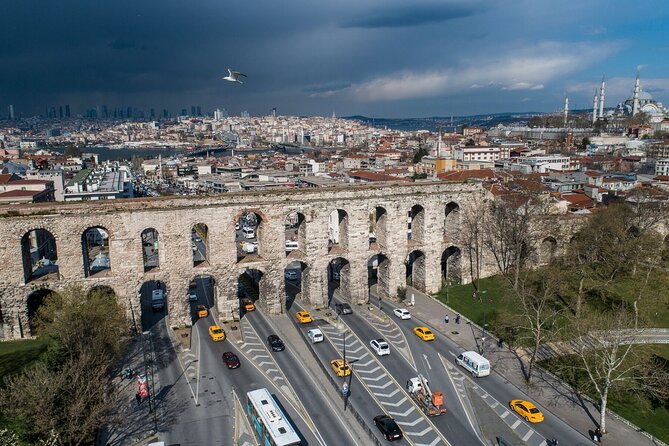
Yedikule Fortress is the natural opening act. The site marks the land entrance from Europe and includes the Golden Gate, the ceremonial gateway once used by Byzantine emperors. The fortress itself reflects the city’s defensive role, with towers, walls, and a setting that helps you picture Constantinople as a fortified capital rather than simply an old quarter of modern Istanbul.
You have about an hour here, with admission included. That is enough time to look at the main castle, examine the defensive structure, and ask questions about how the walls worked with the sea defenses and land defenses. The site can feel quiet compared with Istanbul’s famous central monuments, which is part of its appeal.
I would pay close attention during the first explanation. The value of Yedikule is not only in the stones. It is in learning why this western approach mattered, how the Golden Gate fit into imperial ceremony, and how the outer defenses protected the city. A guide who explains those connections can make the rest of the day easier to follow.
The fortress may be less suitable if stairs, uneven surfaces, or extended walking are difficult for you. The supplied information does not specify the exact access conditions inside every area, so ask your operator before booking if you need detailed mobility guidance.
Other Istanbul outings people put on the same list:
- Istanbul: Bosphorus Dinner Cruise & Show with Private Table
★ 4.8 · 44,561 reviews - Istanbul: Daytime or Sunset Sightseeing Cruise & Audio Guide
★ 4.8 · 14,430 reviews - Istanbul: Bosphorus Dinner Cruise with Turkish Night Show
★ 4.8 · 10,127 reviews
Following the Theodosian walls
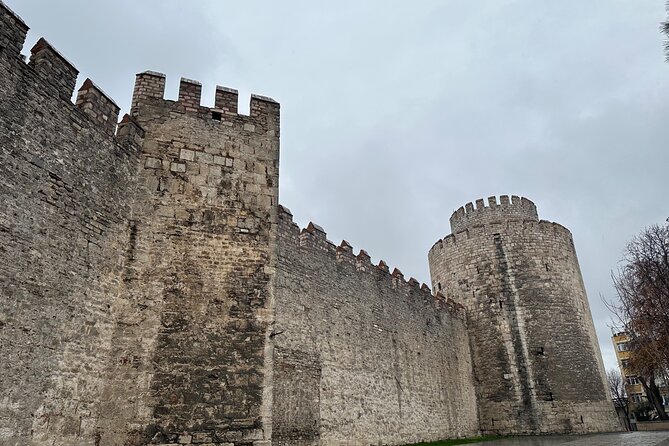
The next stop is the Walls of Istanbul, with about 10 minutes set aside and no separate admission charge. The schedule is short, so think of this as a focused look rather than a long walk along the entire line of fortifications.
These are the famous land walls linked with the defense of Byzantine Constantinople. Along with the sea walls, they formed the city’s protective ring. Seeing them after Yedikule makes sense because you have already viewed the main western fortress and can now place the larger defensive system around it.
Ten minutes will not satisfy anyone hoping for a full wall walk. It does, however, provide a quick stop for photographs and a clear explanation of how the walls extended beyond the fortress. If your main interest is military architecture, tell the guide early. The private format may allow more attention here, though the advertised timing remains brief.
One especially good feature of this part of Istanbul is the lack of the polished monument experience found in the busiest central sights. The walls are part of the city itself. You see old masonry alongside ordinary streets, which gives you a more grounded sense of Constantinople’s size and endurance.
A quiet stop at Vlaherna Meryem Ana
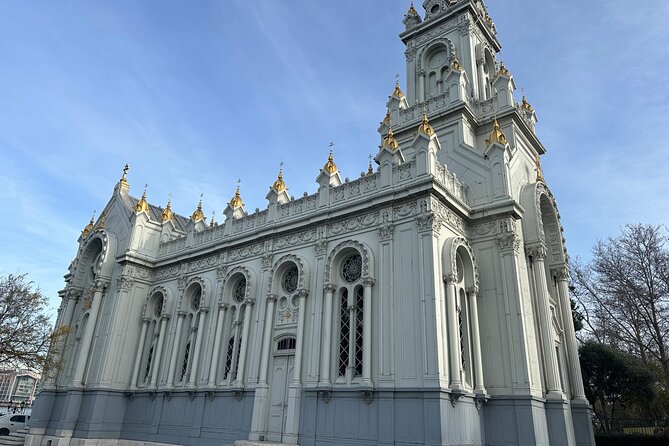
Vlaherna Meryem Ana Church is scheduled for 30 minutes. It is described as one of Istanbul’s oldest and holiest churches, built in 457, and associated with the mantle and robe of the Virgin Mary. The site is also linked with a sacred bath and holy water.
This stop changes the tone of the day. Yedikule and the land walls are military and imperial. Vlaherna Meryem Ana brings the focus to living religious tradition and the Christian past of Constantinople. You should approach it as a place of worship, not simply as another historical object.
The visit may be especially meaningful if you are interested in Orthodox Christianity, Byzantine devotion, or the survival of Christian sites in modern Istanbul. At the same time, it may feel less essential if your only goal is architecture. One earlier account found some of the church stops less relevant than the fortress and walls, so you should decide how much religious history matters to you.
Security and local rules can affect how you dress, move through the site, or pray. One priest described feeling uncomfortable with the treatment he received at churches that had been taken over during later periods. That account reflects a personal experience, not a promise about every visit, but it is a useful reminder to be respectful, patient, and ready to follow instructions from on-site staff.
Tekfur Palace and the last Byzantine court
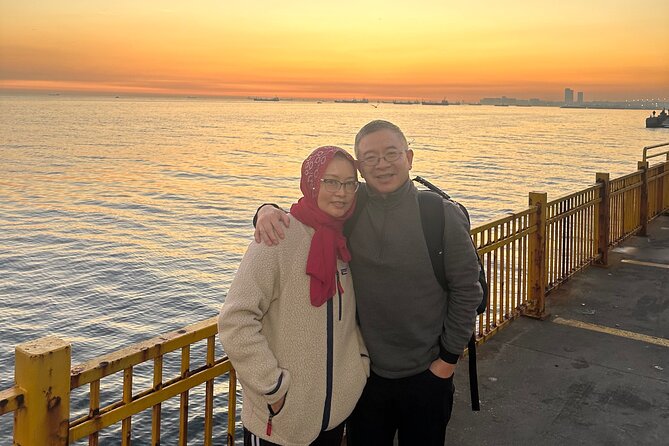
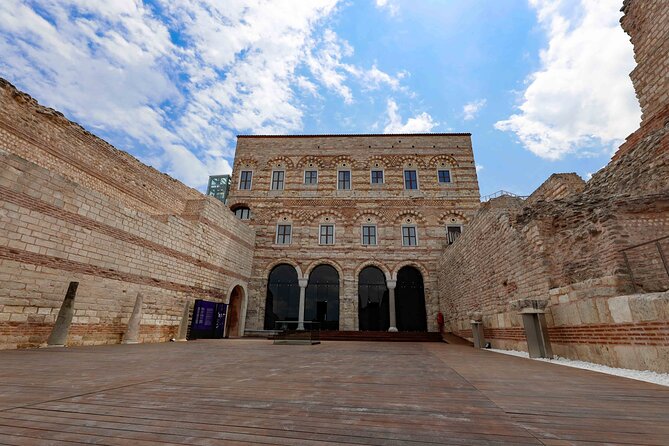
Tekfur Sarayi, or Tekfur Palace, receives about an hour and includes admission. The building is identified as the Byzantine Palace of Blachernae, later called Tekfur Palace under Ottoman rule. It was built in 490 according to the tour description and served as a main palace for years before the conquest. Today it functions as a museum.
This is one of the day’s most important stops because it shifts your attention from defenses to court life. After seeing how Constantinople protected itself, you get a sense of where its rulers lived and governed. The location near the Golden Horn adds another layer, connecting the palace district with the waterway that shaped the city’s power and trade.
Allow yourself time to look at the building rather than rushing through for a quick photograph. The hour gives the guide room to explain its place in the Blachernae area and to answer questions. If your guide is like Emre, who has been praised for answering questions clearly and adapting to personal interests, this is a good place to ask about the final Byzantine emperors and the palace’s later Ottoman identity.
The description says Tekfur Palace is used as a museum, but it does not provide details about the display rooms, exhibits, or interior layout. Keep expectations centered on the building and its place in the city’s story rather than on a large museum collection.
A different side of Istanbul on the same trip:
- Best of Istanbul 1, 2 or 3-Day Private Guided Istanbul Tour
★ 5.0 · 8,922 reviews - Istanbul: Basilica Cistern Fast-Track Entry and Audio Guide
★ 4.6 · 7,521 reviews - Istanbul: Hagia Sophia Skip-the-Line Ticket & Museum Option
★ 3.7 · 4,958 reviews - Istanbul: Hodjapasha Whirling Dervishes Show & Exhibition
★ 4.4 · 4,790 reviews
Walking through Fener’s old communities
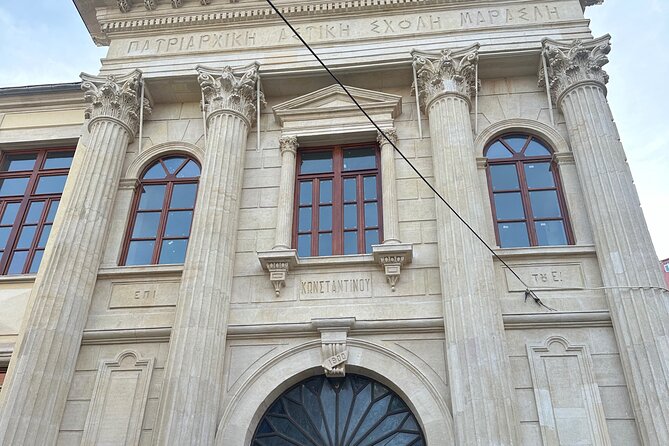
Fener receives about an hour, with no separate admission fee. This is not a single monument visit. It is a neighborhood walk through one of Istanbul’s older areas, with Greek, Bulgarian, and Armenian houses and streets.
Fener helps you see how Constantinople’s religious and ethnic communities shaped the city beyond imperial palaces. Old houses, churches, and narrow streets give the stop a human scale. Instead of looking only at ruins, you are seeing a district where layers of Istanbul’s past remain part of the present setting.
The private format is useful here. You can ask the guide to explain a building that catches your eye, pause for photographs, or move along if a particular street does not interest you. Yunus has been praised for allowing the guest to set the pace and for balancing explanation with free time. That is the right approach for Fener, where a rigid schedule would leave little room to notice details.
Do not expect Fener to feel like a formal archaeological site with a clearly marked route. Its appeal comes from wandering through the neighborhood and understanding the mix of communities and architecture. If you want only grand monuments, this hour may feel slow. If you want to see how old Istanbul is lived in and remembered, it earns its place.
Balat and the Orthodox quarter
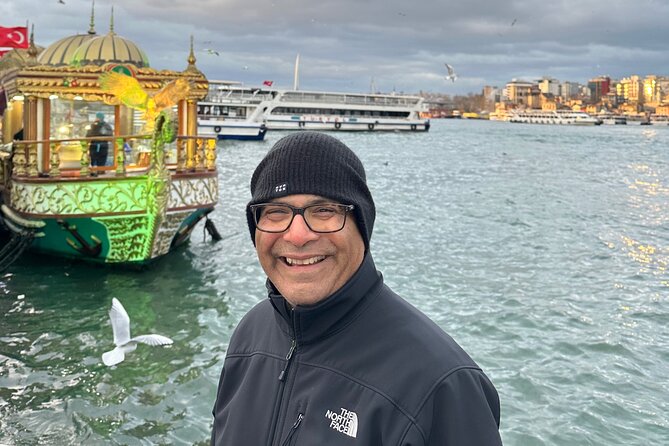
Balat follows with another hour. The area is described as an Orthodox neighborhood of Constantinople, with monuments, churches, houses, shops, and local streets. Along with Fener, it gives the tour a strong neighborhood focus after the fortress and palace visits.
The two districts can seem similar on paper, but they serve a useful purpose in the overall route. Fener emphasizes older Greek, Bulgarian, and Armenian connections, while Balat adds another look at Orthodox life and the built fabric around its churches and homes. Your guide can help separate the districts rather than treating them as one long walk.
Balat is also where the tour feels least like a standard monument checklist. You are not simply moving from one ticketed entrance to another. You are looking at houses, religious buildings, shops, and streets that express the city’s changing communities. The experience is more about observation and explanation than about a single spectacular view.
As with Fener, the quality depends heavily on the guide’s ability to connect what you see with the larger story. Yesil has been praised for strong command of the subject and clear English, while Emre has been described as personable, flexible, and able to handle questions. Those qualities matter here because the neighborhood itself does not provide a simple caption for every building.
What the private format changes
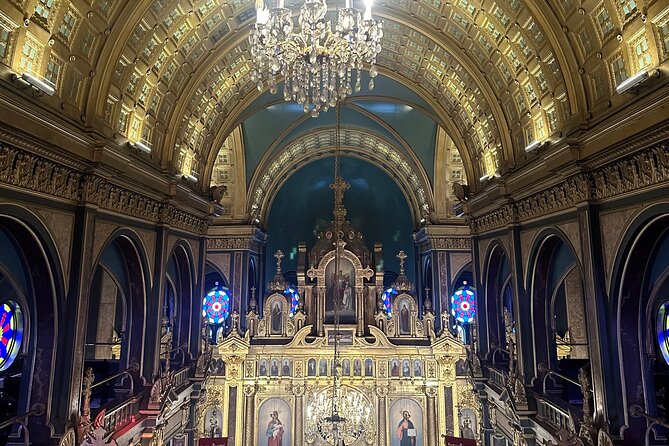
This is a private activity for your group alone. That is a major advantage if you have a specific interest in Byzantine military history, Orthodox churches, palace architecture, or the old neighborhoods around the Golden Horn.
You can also set the rhythm more easily. One guest used the flexibility to focus on preferred sites, and another appreciated being able to dictate the pace and choose how much free time to take. I would state your priorities at the start: fortress and walls, church history, palace architecture, or neighborhood life.
The tradeoff is cost. At $230 per person, the tour is not a cheap sightseeing option, especially for one person. The value improves for a small group that can share the private guide and pickup. You are paying for a six-hour route across several districts, a guide, private participation, and included admission at Yedikule Fortress and Tekfur Palace.
The itinerary contains enough stops to fill a half day, but not every stop will carry equal weight for you. If you care mainly about the Golden Gate and Theodosian walls, a shorter custom outing could be better. If you want a broad look at Byzantine remains plus Fener and Balat, the full route offers more range than a single-site visit.
Guides, language, and practical planning
The tour is offered in English. Names connected with particularly strong guiding experiences include Emre, Yunus, and Yesil. You cannot assume which guide will lead your booking, but you can request the guide style you prefer if the operator allows it: detailed historical explanation, flexible pacing, or more time for independent looking.
Pickup is offered from your hotel or address, with a listed start time of 10:00 am. The total duration is about six hours. Since the route includes several districts and both outdoor and indoor settings, wear practical shoes and bring whatever you normally need for a half day out, though the supplied details do not specify a dress code or exact walking distance.
Confirmation is provided when you book. Service animals are allowed, and most people can participate. If you need special arrangements beyond that, ask before payment because the information does not give detailed access notes for the fortress, walls, churches, or palace.
Free cancellation is available if you cancel at least 24 hours before the start time. Changes or cancellations inside that window are not accepted for a refund, and the cut-off follows local Istanbul time.
Is this six-hour Byzantine tour right for you?
Book this tour if you want to understand Istanbul beyond the central imperial sights. Yedikule Fortress, the Golden Gate, the walls, and Tekfur Palace give you the strongest historical spine, while Fener and Balat add streets, churches, and living communities. The private format is a real benefit for a small group with shared interests.
Think twice if you prefer a short, sharply focused visit or if church stops do not interest you. The 10-minute wall stop is brief, and the six-hour route may feel stretched when some locations matter much more to you than others.
For the best result, tell the guide at the beginning what you want most. Ask for extra context at Yedikule and Tekfur Palace if Byzantine power is your priority. Ask for more time in Fener and Balat if you care about neighborhoods and religious communities. At $230 per person, this is best booked by people who value a private guide and a route far from Istanbul’s standard sightseeing loop.
FAQ
What time does the tour start?
The tour starts at 10:00 am.
How long does the experience last?
The tour lasts approximately six hours.
Is hotel pickup available?
Yes. Pickup is offered from hotels or another address.
Is this a private tour?
Yes. Only your group participates.
Which language is offered?
The tour is offered in English.
What is included at the main paid sites?
Admission is included at Yedikule Fortress and Tekfur Palace. The Walls of Istanbul, Vlaherna Meryem Ana Church, Fener, and Balat are listed without a separate admission charge.
Recently added in Istanbul
- Two (2) Days Istanbul Old City and Two Continents Walking Tour★ 5.0 · 6 reviews
- istanbul old city private tour★ 5.0 · 19 reviews
- Private Guided Tour: Discovering Istanbul★ 4.5 · 9 reviews
- Istanbul Airport (IST) To Hotels Transfer★ 5.0 · 80 reviews
- Best Of İstanbul Europe Side In One Day★ 5.0 · 10 reviews
- Hagia Sophia Private Skip The Ticket line guided Tour★ 4.5 · 17 reviews
- historical peninsula walking tour★ 5.0 · 6 reviews
- 2 Days Cappadocia Tour from Istanbul with Optional Balloon★ 5.0 · 10 reviews
Tours, compared.
Blue Mosque & Hagia Sophia Guided Tour w/ Tickets
Read our review →
Bosphorus Sightseeing Cruise Tour with Audio Guide
Read our review →
Princes Islands Tour with Heybeliada and Buyukada
Read our review →
Bursa & Uludag Tour with Lunch & Cable Car Option
Read our review →
Blue Mosque, Hagia Sophia, & Basilica Cistern Tour
Read our review →
Hagia Sophia Skip-the-Line Ticket with Audio Tour
Read our review →