
Reviewed · ISTANBUL
Ancient Rome Under Istanbul
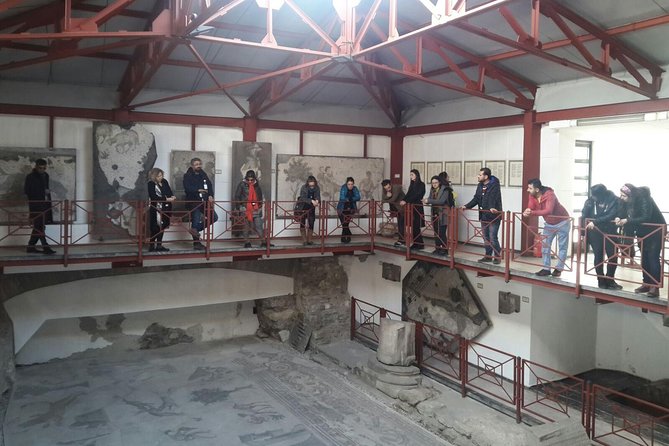
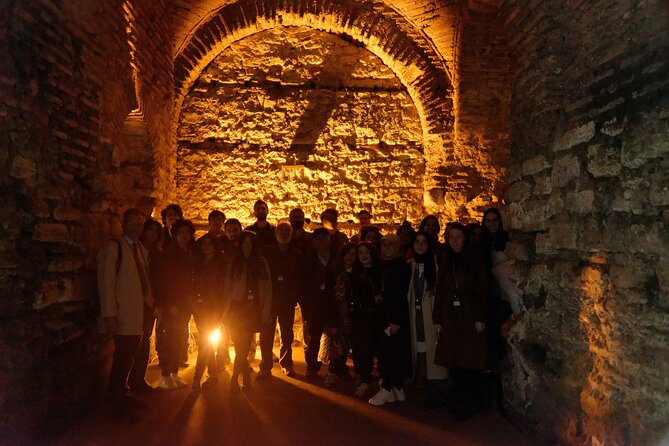
Istanbul’s oldest secrets are often not in grand museums, but beneath the floor of a modern shop or hotel. This tour takes you below today’s Sultanahmet to see Roman and Byzantine remains that are easy to miss on your own, including ancient cisterns, chapel fragments, and traces linked to Constantine’s Palace. The contrast between old stone and modern business is the main attraction.
I like the small-group format, capped at 15 people, and the chance to hear the city’s story from guides such as Ece, Erkan, or AJ. I also like that the tour connects underground remains with familiar landmarks such as Küçük Ayasofya and the Hippodrome. The main caution is access: not every ruin is a polished public monument, and the tour can last about three hours rather than five.
Key points to know before booking
- Modern shops can shelter ancient remains: Expect archaeological traces beneath hotels, stores, and other buildings rather than a string of formal museum galleries.
- The guide makes the difference: Ece and Erkan receive especially warm praise for clear explanations, energy, and local insight.
- The tour begins in Sultanahmet: Meet at Binbirdirek, Divan Yolu Cd. No. 15, at 10:00 a.m.
- Plan for plenty of walking: Comfortable shoes matter, and a Turkish coffee or tea break may help on a longer outing.
- The advertised length is flexible: Allow three to five hours, with some reports describing a shorter three-hour visit.
- It suits history fans best: The appeal lies in fragments, context, and access to lesser-seen remains, not in spectacular restored interiors.
Why Roman Istanbul is hiding below your feet
Modern Istanbul sits over layers of earlier cities. The Roman settlement of Constantinople grew into the Byzantine capital, and later buildings were placed over its roads, walls, churches, cisterns, and palaces. That is why this experience feels different from a standard sightseeing walk.
You are not simply moving from one famous building to the next. You may step into a commercial building and find old masonry below it, or examine fragments that make sense only after your guide explains their purpose. The remains can be modest in size, but the setting gives them force. A column base under a hotel floor tells you how much of the old city still lies beneath daily life.
I would book this tour for the explanation as much as for the ruins. Ancient stone without context can look like rubble. A good guide helps you picture the roads, churches, ceremonies, and palace life that once filled this part of the city.
The overall rating is 4.8 from 35 ratings, with 94 percent recommending the experience. That is a strong result, but the lower scores point to an important truth: this is not a guaranteed five-hour underground attraction with every site open in the same way. Your experience depends heavily on the guide, the group, the weather, and access on the day.
Other Istanbul outings people put on the same list:
- Istanbul: Bosphorus Dinner Cruise & Show with Private Table
★ 4.8 · 44,561 reviews - Istanbul: Daytime or Sunset Sightseeing Cruise & Audio Guide
★ 4.8 · 14,430 reviews - Istanbul: Bosphorus Dinner Cruise with Turkish Night Show
★ 4.8 · 10,127 reviews
Starting at Binbirdirek at 10:00 a.m.
The official meeting point is in Binbirdirek, on Divan Yolu Cd. No. 15, in the Fatih district. The activity begins at 10:00 a.m. and ends back at the meeting point.
Hotel pickup needs careful attention. Some guides have met people at their hotels and then used public transportation to reach the old city, but that arrangement is not included in the stated tour price. If you want pickup, confirm the details before booking and expect any transportation cost to be separate.
The starting area is practical because it places you close to Sultanahmet’s main historic zone. It is also a busy part of Istanbul, so arrive early enough to locate the address without rushing. The tour includes a professional guide, taxes, and local taxes. Food, drinks, and lunch are not included.
The group limit is 15 people. That is small enough for questions and close viewing, though a private-feeling experience is not guaranteed. Some departures may have only one or two participants. That can make the walk more personal, but it also means the advertised group setting should not be your only reason for booking.
Finding cisterns beneath modern Istanbul
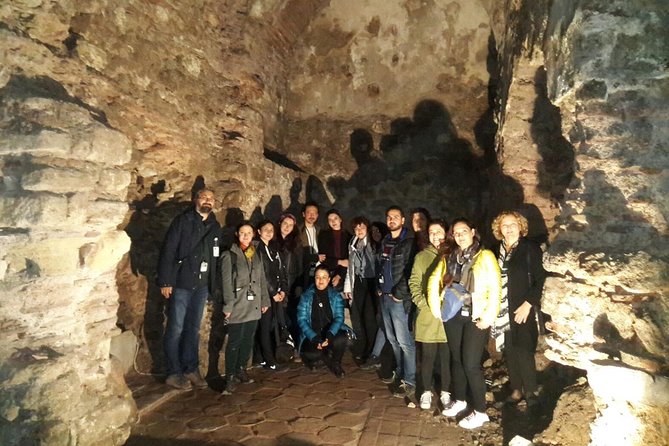
The central part of the tour lasts about three hours and focuses on Roman and Byzantine ruins beneath modern buildings. This is where the experience earns its name.
You may visit ancient cisterns, fragments of Byzantine chapels, and areas associated with Constantine’s Palace. The supplied details do not provide a fixed list of every underground site or guarantee that each location will be open at every departure, so you should think of the route as a guided exploration rather than a rigid museum circuit.
That flexibility can be a strength. Guides have taken people into shops, hotels, and other buildings where old remains are not obvious from the street. One account describes visiting several sites beneath commercial properties, while another mentions tile and rug shops with demonstrations or explanations. These stops may add local color, but they can also feel like detours if you booked only for archaeology.
The cisterns are likely to be the most visually satisfying part. Water storage was essential to Constantinople, a large city that needed dependable supplies during shortages or siege. Underground chambers also survived later rebuilding in ways that above-ground monuments did not. You might see stone arches, columns, brickwork, or damp masonry, but the exact condition and presentation can vary.
Do not expect every underground space to resemble the famous Basilica Cistern, with dramatic lighting and broad walkways. The appeal here is the discovery of remains in less formal settings. You may need to listen closely and let the guide explain what you are seeing.
Constantine’s Palace and the puzzle of fragments
Constantine’s Palace is one of the headline stops, but the experience appears to focus on remains and traces rather than a fully preserved palace complex. That distinction matters.
You will not be walking through a complete imperial residence with intact rooms and furnished halls. Instead, the guide may point out surviving foundations, architectural pieces, or locations connected to the palace area. The value comes from understanding how the imperial center once occupied this part of the city.
This is a good example of why a guide matters. A broken wall can seem ordinary until you learn its date, construction, and relationship to the old city. The tour’s strongest guides explain who built what, who conquered whom, and how the city changed over time. Ece is repeatedly praised for making Roman-era Istanbul understandable while also discussing present-day Turkey and local social life.
If you prefer complete monuments and formal displays, this portion may feel thin. If you enjoy historical detective work, it may be the most rewarding part of the day.
A different side of Istanbul on the same trip:
- Best of Istanbul 1, 2 or 3-Day Private Guided Istanbul Tour
★ 5.0 · 8,922 reviews - Istanbul: Basilica Cistern Fast-Track Entry and Audio Guide
★ 4.6 · 7,521 reviews - Istanbul: Hagia Sophia Skip-the-Line Ticket & Museum Option
★ 3.7 · 4,958 reviews - Istanbul: Hodjapasha Whirling Dervishes Show & Exhibition
★ 4.4 · 4,790 reviews
Byzantine chapels and Küçük Ayasofya
Küçük Ayasofya, also known as the Gazi Süleyman Paşa Mosque in the supplied tour details, receives a 20-minute stop. Like Hagia Sophia, it began as a church and was later converted into a mosque. The guide explains its architectural role and the stories connected to the building.
The stop is useful because it gives you a clearer sense of Byzantine architecture than a fragment beneath a shop can provide. You can compare its form with Hagia Sophia and hear why it served as a model for later architects. The short visit also keeps the tour moving.
Remember that it is an active mosque. Dress and behavior should be respectful, and access can depend on conditions at the site. The tour information does not state a separate admission charge, and the itinerary lists admission as free for the stops.
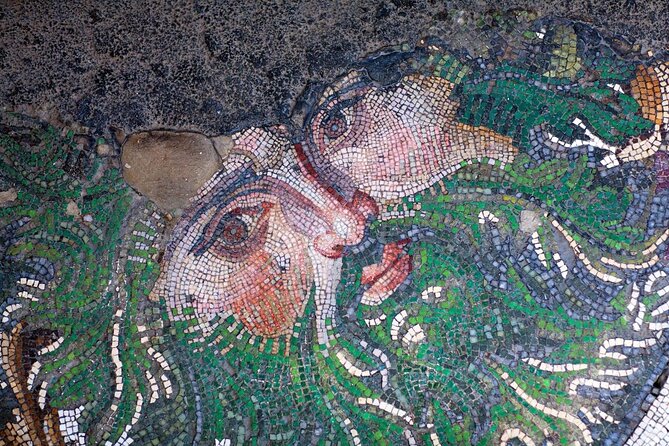
The wider route may include Byzantine chapel remains. These are often small and incomplete, with mosaic or masonry fragments rather than grand interiors. One especially evocative part of the experience is imagining the tiny mosaic pieces and skilled labor that went into them. Your guide’s explanation can turn a few stones into evidence of a working religious community.
The Hippodrome in a 15-minute stop
The Hippodrome, now Sultanahmet Square, receives about 15 minutes. This was the center of Byzantine chariot races, ceremonies, and public gatherings. Today, it is an open urban space surrounded by some of Istanbul’s most visited sights.
The stop is brief, so it is more about orientation than a full archaeological study. Your guide can explain how the square functioned, where crowds gathered, and how the modern setting relates to the old racing arena. This context helps you read the area differently when you return on your own.
Because the Hippodrome is open and central, it is also the least unusual stop. You can visit it without a tour. Its value here is the connection between the visible city and the underground remains you have just been studying.
Guides, language, and the human side of the tour
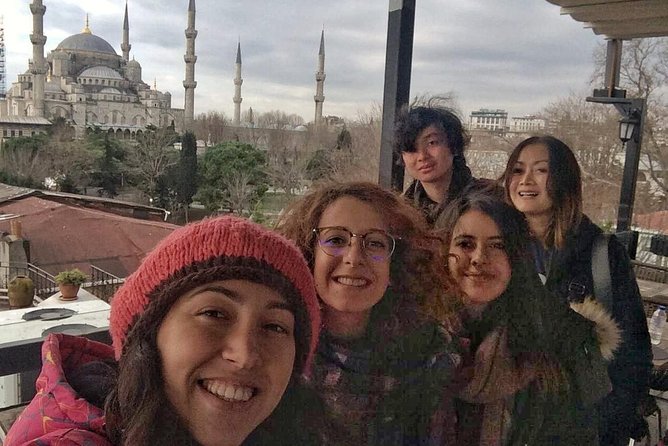
The guide is the key variable. Ece receives especially strong praise for her clear explanations, patience, and willingness to offer extra help when rain delayed the outing. She is also described as giving useful advice over tea and extending the time when conditions became difficult.
Erkan is praised for guiding even when only one person attended. Another guide is described as an academic at Istanbul University’s classics department who teaches Ancient Greek. AJ is praised for energy and for making Istanbul’s story feel immediate.
Those details suggest a tour led by people who care about ancient history and can adapt the conversation to your interests. Still, guide assignments can change, and one low-rated experience raises concerns about communication and expectations. If detailed English explanations are important to you, confirm the guide language and ask whether a particular guide can be requested.
The best approach is to arrive with questions. Ask about the Roman city plan, water supply, Byzantine churches, later Ottoman changes, or how archaeologists identify a ruin beneath a newer building. A curious group will get more from this tour than a group expecting a silent walk from one attraction to the next.
How long the walk really takes
The stated duration is approximately three to five hours. The route includes walking through Sultanahmet and entering several buildings or underground areas. Wear shoes that can handle uneven surfaces and a long morning on foot.
The timing may depend on group size. A small group can move quickly, while a larger group may take longer at each stop. Rain can also alter the pace. One guide extended the outing after a weather delay, but you should not count on extra time as part of the standard schedule.
The experience ends at the original meeting point. It does not include lunch, so plan a meal afterward or carry water and a snack if needed. Food and drinks are specifically excluded.
For cruise passengers, provide the ship name, docking time, disembarkation time, and re-boarding time when booking. The tour begins at 10:00 a.m., so make sure the schedule leaves enough margin for getting to the meeting point and returning to the ship.
Is $45 a fair price?
At the stated $45 price, I consider this a reasonable choice for a small-group history walk with a professional guide. You are paying for access, interpretation, and the chance to find places that are hard to identify alone. You are not paying for a long list of major admission-ticket attractions.
The value is strongest if the guide opens doors to several lesser-known remains and gives them a clear historical setting. It is weaker if the route is short, access is limited, or commercial stops take up a large share of the morning.
One low-rated account describes a much higher total price and a three-hour experience, while the supplied price for this tour is $45. That discrepancy makes it wise to check the exact amount shown at checkout, especially if you are comparing different options or booking more than one person.
There are no separate food, lunch, or stated admission costs included in the price. Transportation from a hotel is not included. Free cancellation is available if you cancel at least 24 hours before the start time. Within 24 hours, the amount paid is not refunded, and changes are not accepted.
Who should book this experience?
I would choose this for someone who has already seen the major Istanbul landmarks and wants more background. It also works well as an early introduction to Sultanahmet if you enjoy history and do not mind seeing incomplete remains.
It suits:
- History and archaeology fans
- Visitors interested in Roman and Byzantine Istanbul
- People who enjoy small groups and open-ended questions
- Repeat visitors looking beyond Hagia Sophia and the Blue Mosque
- Anyone comfortable with walking and uneven or less polished sites
I would hesitate if you want a fixed schedule, guaranteed access to every named site, or a dramatic underground attraction with clear signage and polished presentation. Families can participate, since most travelers are accepted, but younger children may find fragment-based explanations slow.
Should you book Ancient Rome Under Istanbul?
Book it if you want to understand why Istanbul has so much history beneath its newer buildings. The best parts are the underground cisterns, overlooked Roman and Byzantine traces, and guides such as Ece who can connect small physical remains to large historical changes.
Go in with realistic expectations. This is not a palace tour in the usual sense, and Constantine’s Palace should be understood as a site of remains and associations rather than a fully preserved building. The duration may be closer to three hours, and access can vary.
At $45, the tour is a good fit for a curious history fan who values interpretation over spectacle. Confirm the meeting point, hotel pickup terms, expected language, and likely duration before you pay. If those details suit you, this is a smart way to see a side of Istanbul that a standard sightseeing route usually misses.
FAQ
How much does Ancient Rome Under Istanbul cost?
The stated price is $45. Group discounts may be available, and a mobile ticket is offered.
How long does the tour last?
The approximate duration is three to five hours. Some experiences may finish in about three hours, so allow flexibility.
What time does the tour start?
The tour starts at 10:00 a.m.
Where is the meeting point?
Meet at Binbirdirek, Divan Yolu Cd. No. 15, 34122 Fatih, Istanbul, Türkiye.
Where does the tour end?
The activity ends back at the meeting point.
Is hotel pickup included?
The official meeting point is in the old city. Hotel pickup may be offered, but it is not included in the tour price, and transportation costs may be separate.
Are food and lunch included?
No. Food, drinks, and lunch are not included.
What is the maximum group size?
The tour accepts a maximum of 15 participants.
Can I cancel for a full refund?
Yes, if you cancel at least 24 hours before the experience starts. Cancellations or changes made within 24 hours are not refunded.
Recently added in Istanbul
- Yildiz Palace & Park: Skip-the-Line Entry with Audio Guide★ 5.0 · 4 reviews
- Walls of Contantinople and Blachernea Palace Tour★ 4.1 · 7 reviews
- Whirling Dervish Ceremony★ 4.5 · 35 reviews
- Istanbul:Whirling Dervish Ceremony, Mystical Sufi Experience★ 4.1 · 17 reviews
- Turkish Tapas – Meze Cooking for Beginners in Istanbul★ 4.5 · 16 reviews
- İstanbul: Turkish Night On the Bosphorus with Private Table★ 3.2 · 9 reviews
- Istanbul Bosphorus Dinner Cruise Tour – Private Table★ 3.9 · 8 reviews
- Istanbul Sultanahmet Turkish Bath Sultan Suleyman Bath★ 3.7 · 38 reviews