
Reviewed · ISTANBUL PRIVATE TOURS
ISTANBUL Full-Day PRIVATE Guided Tour: For the Top Historic Sites
Istanbul’s historic peninsula packs Roman, Byzantine, and Ottoman landmarks into a remarkably compact area. This private walking tour gives you one guide, one day, and six major sights, including the Blue Mosque, Hagia Sophia, Topkapi Palace, Basilica Cistern, and Grand Bazaar. It is an efficient first-day introduction, especially if you want the story behind the stones instead of simply taking photographs.
I like two things here. First, a private guide can adjust the pace, linger at Topkapi Palace, or keep children engaged, as guides such as Fuat, Sude, Zel, and Yasin have done for families and solo visitors. Second, the route links the city’s biggest sights without transportation between stops, letting you see how the Roman and Ottoman centers fit together. The main drawback is that entrance fees and transport are not included, and some past participants spent much of their time in carpet or ceramic demonstrations.
- Six major sights in one day: Cover the Blue Mosque, Hagia Sophia, Topkapi Palace, Basilica Cistern, Hippodrome, and Grand Bazaar.
- Private pacing: Your guide can shape explanations and breaks around your group rather than a large party.
- Roman and Ottoman context: See how an ancient chariot-racing ground, imperial mosque, palace, and water cistern connect.
- A serious walking day: Comfortable shoes and water matter. One itinerary lasted roughly seven hours and reached about 14,750 steps.
- Shopping guidance: The guide can help explain carpets, ceramics, and haggling, but you should set clear limits before any sales visit.
- Extra costs: Museum admission, lunch, transport, and gratuity are separate from the $79 tour price.
Six Historic Stops in Istanbul’s Old City
This is a concentrated tour of Sultanahmet, the historic core on Istanbul’s European side. You meet at Hagia Sophia Grand Mosque, at Ayasofya Meydanı No. 1, and return to the same meeting point at the end.
The listed duration is about six to seven hours. That sounds generous, but the schedule is full. The stated stop times add up to roughly five hours, leaving room for walking, ticket arrangements, queues, explanations, and possibly lunch or shopping pauses. You should not expect a leisurely, museum-by-museum study of every building.
The advantage is clear: you can get your bearings fast. By the end, you will have seen the main monuments that define the old city and learned how they relate to one another.
Blue Mosque: A Quiet Start With a Strict Dress Code
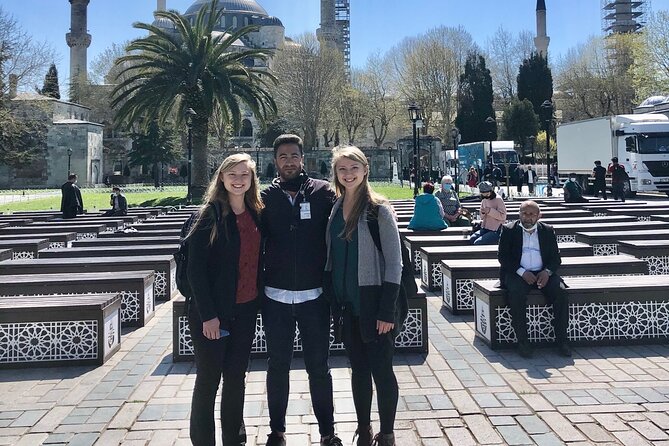
The Blue Mosque is the first substantial stop, with about 30 minutes inside and around the courtyard. Built in the 17th century under the Ottoman Empire, it is famous for the thousands of blue ceramic tiles used in its interior.
The tiles and stained-glass windows are the visual focus. Your guide can help you look past the grand scale and notice the decorative details, rather than treating the mosque as a quick photo stop.
Entry is free, which helps keep the overall cost manageable. You still need to dress properly. Women need a headscarf and clothing that covers the knees, while men need long pants covering the knees. Since this is an active place of worship, access and movement may be affected by prayer times or religious observance.
The short visit works well as an introduction, but it may feel rushed if you want time for quiet reflection or detailed photography. Tell your guide early if religious architecture is a major interest, since a private tour gives you some room to adjust the emphasis.
More Private Tours in Istanbul:
- Best of Istanbul 1, 2 or 3-Day Private Guided Istanbul Tour
★ 5.0 · 8,922 reviews - ISTANBUL BEST: Iconic Landmarks Full Day PRIVATE Guided City Tour
★ 5.0 · 1,032 reviews - Istanbul Highlights Private Tour: Hotel Pick-Up & Drop-Off
★ 5.0 · 672 reviews
Hagia Sophia: Fifteen Centuries Under One Dome
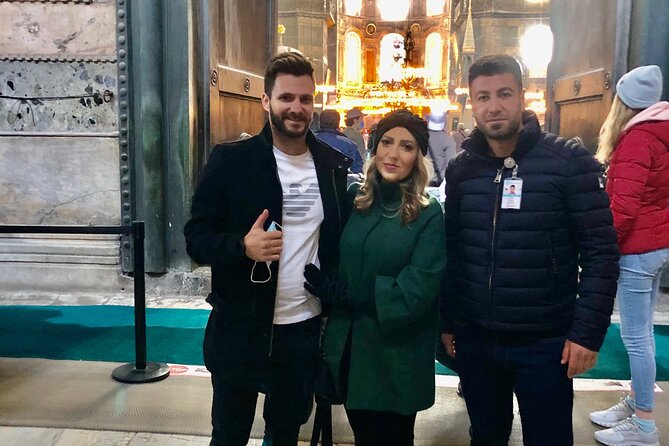
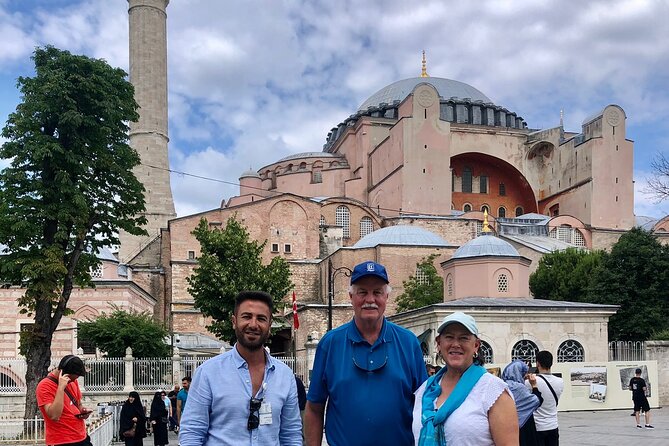
Hagia Sophia is the architectural centerpiece of the day. The building began as a cathedral under the Eastern Roman Empire in the sixth century and served as a cathedral for about a thousand years. After the Ottoman conquest of Constantinople in 1453, it became a mosque.
Today, it functions as a mosque with areas presented for cultural and historical viewing. Inside, you can see Christian icons and motifs alongside Ottoman additions. That mixture is what makes the building so important. It is not simply an old church or an old mosque. It records the change of power and religious life in the city.
The allotted time is about 40 minutes. Admission is not included, so budget separately for the current entry arrangements. The same dress rules apply: women need a headscarf and clothing covering the knees, and men need long pants covering the knees.
This is one place where your guide’s explanation can be especially useful. Without context, you may notice the dome, mosaics, and calligraphy but miss how the building changed across centuries. Several guides, including Sude and Paulina, have been praised for explaining the religious and political background in a way that makes the site easier to understand.
Still, do not assume your guide will provide a long lecture at every interior point. The time is limited, and access rules can change. If you want a detailed study of Byzantine art, you may need more time beyond this tour.
Topkapi Palace: Allow Two Hours for the Ottoman Court
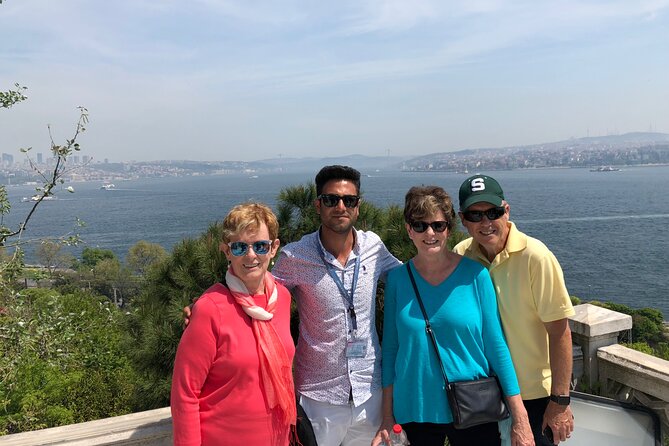
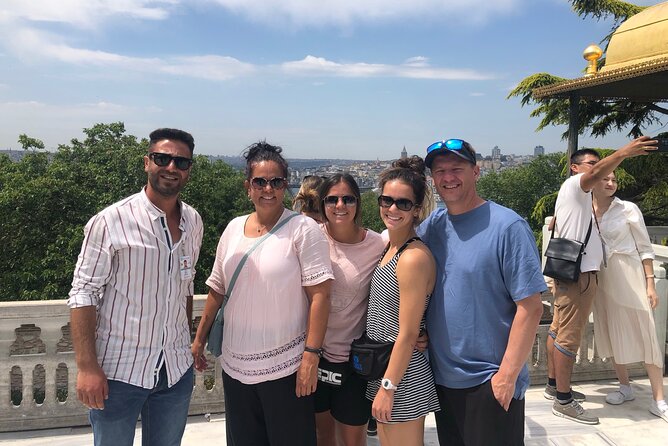
Topkapi Palace receives the longest visit, about two hours, and rightly so. Built by Sultan Mehmet II after the Ottoman conquest, the palace served as the residence of Ottoman sultans and the empire’s administrative center for roughly four centuries.
This is a large complex rather than a single palace room. You will move through courtyards and exhibition areas containing objects from the Ottoman period. The scale helps explain how the imperial household, court, and government operated.
Topkapi is closed on Tuesdays, so do not book this itinerary for that day. Museum admission is also separate, and one past participant reported paying a substantial total for entry fees across the day, with Topkapi accounting for much of the cost. Prices can change, so check the current amount before booking.
Guides cannot accompany groups into some large private exhibition rooms because of crowd-control rules. That means you may sometimes explore an exhibit independently after receiving an explanation outside. This is not a flaw in the tour, but it is worth knowing if you expect your guide to remain beside you in every room.
The palace is the place where a private tour can earn its fee. A guide such as Yasin or Zel can help you decide which rooms deserve your attention and explain the objects on display. Without that help, it is easy to spend too much energy simply finding your way around.
Basilica Cistern: Istanbul’s Underground Surprise
The Basilica Cistern takes about 30 minutes and offers the biggest change of mood during the day. You descend about 10 meters below the street into a sixth-century Roman water reservoir.
Rows of pillars and colored lighting create a mysterious underground setting. The cistern was built to supply water to the city and is now a museum rather than an active reservoir. Its appearance has also made it a film location, including From Russia with Love and Inferno.
Admission is not included. The visit is short, but it provides a welcome break from courtyards and open squares. The low light and repeated columns give you a different sense of Istanbul’s engineering skill.
Thirty minutes is enough for a first look, though not enough for a slow photographic session. If the cistern is the highlight for you, ask whether the schedule allows a little more time there and a little less at shopping stops.
More Historic Sites in Istanbul:
- Istanbul Gedikpasa Historical Turkish Bath with Privacy Option
★ 5.0 · 1,285 reviews - Istanbul: Acemoglu Historical Turkish Bath w/Private Options
★ 4.6 · 1,190 reviews - Istanbul: Gedikpasa Historical Hammam with Privacy Add-On
★ 4.8 · 918 reviews - Istanbul Historical Tour with Guide, Lunch and Transfers
★ 4.5 · 561 reviews
Hippodrome: Roman Spectacle in an Open Square
The Hippodrome is an open-air stop lasting about 20 minutes. Emperor Constantine the Great developed it in the fourth century after making the city a capital of the Roman Empire.
This was the city’s main arena for chariot races and public events. Today, the square contains several important monuments: the Egyptian Obelisk, the Serpent Column from Greece, the German Fountain, and the Walled Obelisk.
There is no admission fee, and the stop provides useful orientation between the enclosed monuments. Your guide can point out where the racing track once ran and help you picture the scale of the Roman venue.
Do not expect a preserved stadium. The modern square is layered over the ancient site, so the historical explanation matters more than what you can see with your eyes. Twenty minutes is suitable for an overview, but anyone fascinated by Roman urban planning may want to return later.
Grand Bazaar: Shop Carefully and Set Your Limits
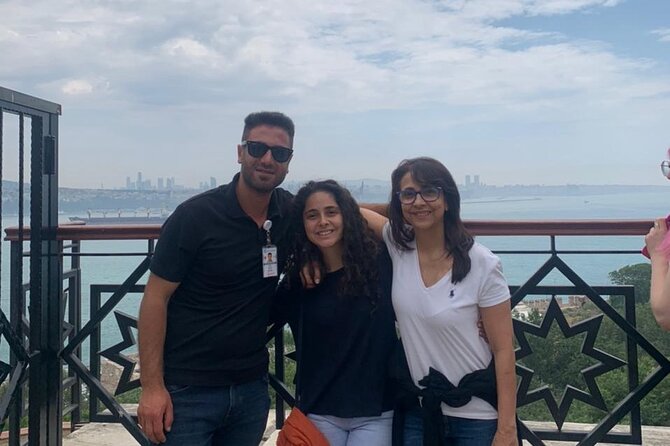
The Grand Bazaar is scheduled for about an hour. Dating from the Ottoman period and traditionally associated with 1461, it contains thousands of shops selling ceramics, spices, sweets, Turkish delight, jewelry, and handmade rugs.
This is the best place on the route for practical shopping help. A private guide can explain how bargaining works, steer you toward particular goods, and help translate when necessary. The tour can also include demonstrations of carpet weaving or other crafts.
That said, shopping visits need clear boundaries. Some participants have been taken to ceramic and carpet businesses for demonstrations followed by extended sales presentations. High-priced items, including silk carpets and costly ceramics, may be shown. You are not required to buy anything, and you should say so plainly before entering a showroom.
I would treat any demonstration as optional, not as part of the core sightseeing. If your goal is simply to explore the bazaar, tell your guide that you want time among the market lanes rather than a formal sales presentation. If you are genuinely considering a carpet or ceramic purchase, the guide’s help may be useful, but compare prices and materials carefully.
The Grand Bazaar is closed on Sundays. It is also easy to lose your sense of direction inside, so meeting back at the agreed point matters.
What the $79 Price Really Buys You
At $79 per person, the tour is priced as a guide-led introduction rather than an all-inclusive day. The fee covers a personal licensed English-speaking guide and the planned sightseeing route. It does not cover lunch, entrance tickets, transportation, or gratuity.
That distinction matters. The guide is the main product. You are paying for explanations, timing, navigation, and the flexibility of having your own group rather than joining a large party. You are not paying for a bundled museum pass or private vehicle.
The value improves if you are visiting Istanbul for the first time, have only one free day, or want help understanding the city’s layered past. A private guide can also save mental effort at busy entrances and help with ticket purchases. Several past participants described help with faster access, but the experience can vary by site, crowd level, and current rules. Treat queue assistance as a possible benefit, not a guaranteed skip-the-line promise.
The value is weaker if you prefer to wander alone, already know the monuments, or want to spend long periods inside one museum. In that case, admission fees and a private guide may cost more than a self-guided day.
Walking, Clothing, and Daily Comfort
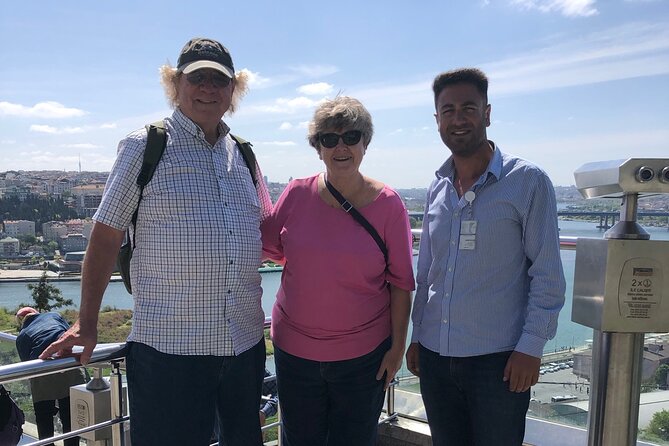
This is a walking tour across the historic center. Transportation is not included, and the route includes courtyards, paved streets, museum floors, stairs, and time on your feet. Wear comfortable shoes and carry water.
The physical demand should not be underestimated. One guide-led day reached about 14,750 steps, and another finished around five hours after starting at 9 a.m. The listed duration is six to seven hours, but exact timing depends on your pace, ticket lines, group needs, and the amount of time spent at each site.
A moderate level of physical fitness is recommended. Families can do it, and guides have adjusted the pace for groups with teenagers, but this is not a sit-down sightseeing experience.
Dress for mosque visits before you arrive. Women need a headscarf and long clothing covering the knees. Men need trousers covering the knees. Dressing correctly from the start saves time and avoids having to borrow or buy covering garments at the entrance.
The Guide Makes or Breaks the Day
The strongest part of this experience is the one-to-one guiding. Guides named in past experiences include Fuat, Sude, Zel, Yasin, Cüneyt, Emine, Hüsniye, Paulina, and others from the same team.
Fuat has led families with teenagers and adjusted the day to their pace. Sude has been especially helpful for solo visitors, including practical advice about local customs, food, shortcuts, and avoiding dishonest sellers. Zel has focused on detailed explanations at Topkapi and Hagia Sophia. Yasin has been praised for explaining monuments carefully and helping with photographs.
You may not receive one particular guide, so do not book solely on the hope of meeting a named person. The important point is the private format. You can ask questions, request more detail at one site, and reduce the pace if the day becomes tiring.
I recommend telling the guide at the start what matters most to you. You might want architecture, religious history, Ottoman court life, shopping, food, or photography. You will get more from the day if the guide knows your priorities before the first explanation begins.
Who Should Book This Istanbul Tour?
This is a strong choice for first-time visitors who want the main historic sights in one organized day. It also suits solo visitors, couples, and families who value flexibility and do not want to follow a large group.
It works particularly well during a short Istanbul stay. You can use this day to understand Sultanahmet, then spend later days exploring neighborhoods, food, markets, or the Bosphorus with a clearer sense of the city.
I would be more cautious if you have limited mobility, dislike long walking days, or want a slow visit to each museum. Ask about pacing before you begin. I would also clarify the shopping plan in advance, especially if you do not want carpet or ceramic demonstrations.
The tour is offered in English. Confirmation is provided at booking, and cancellation is free when made at least 24 hours before the start time. Changes or cancellations inside that window are not accepted for a refund, and poor weather can lead to a new date or full refund.
Should You Book It?
Book this tour if you want a fast, guided introduction to Istanbul’s old city and value having a private English-speaking guide beside you. The route is well chosen, the private format is useful, and the combination of Roman, Byzantine, and Ottoman sites gives you a solid first look at the city.
Before paying, plan for separate admission fees, lunch, and transport. Confirm the day does not fall on Tuesday for Topkapi Palace or Sunday for the Grand Bazaar. Most important, tell your guide whether you want shopping help or strictly historic sightseeing.
If you can accept a full day on foot and keep the shopping portion under your control, the $79 guiding fee can be good value. If you want a slow, independent museum day, explore the same sites at your own pace instead.
FAQ
How long does the private Istanbul tour last?
The tour lasts approximately six to seven hours.
Which sites are included?
The route includes the Blue Mosque, Hagia Sophia Grand Mosque, Topkapi Palace, Basilica Cistern, Hippodrome, and Grand Bazaar.
Where does the tour start and finish?
It starts at Hagia Sophia Grand Mosque at Sultan Ahmet, Ayasofya Meydanı No. 1, in Istanbul’s Fatih district. It ends back at the meeting point.
Is the tour conducted in English?
Yes. The experience is offered in English.
Are entrance fees included in the price?
No. Museum and attraction entrance fees are not included. Lunch, transportation, and gratuity are also separate.
Is the Blue Mosque free to enter?
Yes. The Blue Mosque has free admission, though visitors must follow the mosque’s dress requirements.
What should I wear for the mosques?
Women need a headscarf and clothing covering the knees. Men need long pants covering the knees.
Is Topkapi Palace open every day?
Topkapi Palace is closed on Tuesdays.
Is the Grand Bazaar open on Sundays?
No. The Grand Bazaar is closed on Sundays.
More Full-Day in Istanbul
- Istanbul: Full-Day Highlights Tour with Guide and Lunch
★ 4.6 · 1,662 reviews - From Istanbul: Full-Day Princes Island Tour with Lunch
★ 4.0 · 1,550 reviews - Istanbul: Best of The City Full-Day Tour with Transfers
★ 4.6 · 616 reviews - Istanbul to Gallipoli Full Day Tour with Lunch and Transfers
★ 5.0 · 567 reviews
Recently added in Istanbul
- Two (2) Days Istanbul Old City and Two Continents Walking Tour★ 5.0 · 6 reviews
- istanbul old city private tour★ 5.0 · 19 reviews
- Private Guided Tour: Discovering Istanbul★ 4.5 · 9 reviews
- Istanbul Airport (IST) To Hotels Transfer★ 5.0 · 80 reviews
- Best Of İstanbul Europe Side In One Day★ 5.0 · 10 reviews
- 2 Days Cappadocia Tour from Istanbul with Optional Balloon★ 5.0 · 10 reviews
- Hagia Sophia Private Skip The Ticket line guided Tour★ 4.5 · 17 reviews
- historical peninsula walking tour★ 5.0 · 6 reviews
Istanbul Private Tours, compared.

ISTANBUL BEST: Iconic Landmarks Full Day PRIVATE Guided City Tour
Read our review →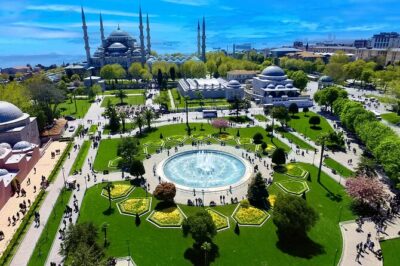
Istanbul Highlights Private Tour: Hotel Pick-Up & Drop-Off
Read our review →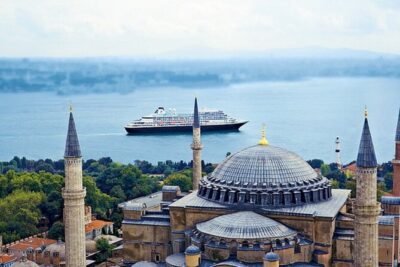
Skip-the-Line Istanbul: Private Tour from Cruise Ship & Hotel
Read our review →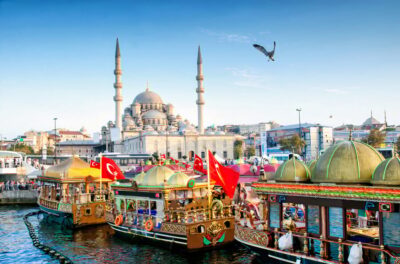
1 or 2-Day Private Guided Tour with Hotel Transfer
Read our review →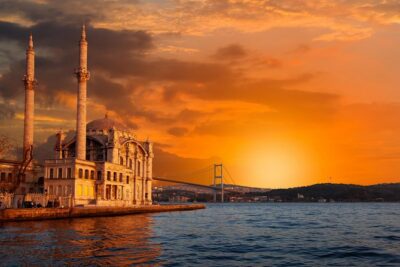
Best Of Istanbul: 1, 2 or 3 Day Private Guided Tour
Read our review →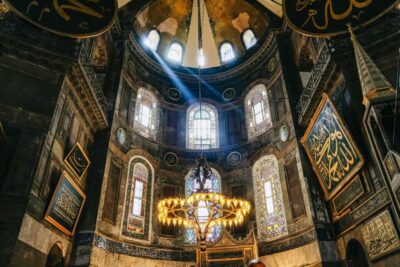
Best of the City 1, 2 or 3-Day Private Guided Tour
Read our review →
Istanbul Private Guided Tour for Layover Flight. Transfer incl.
Read our review →Browse the lists this tour appears in