
Reviewed · ISTANBUL
Istanbul Unveiled: A Quest for the Unique and Unusual Jewels
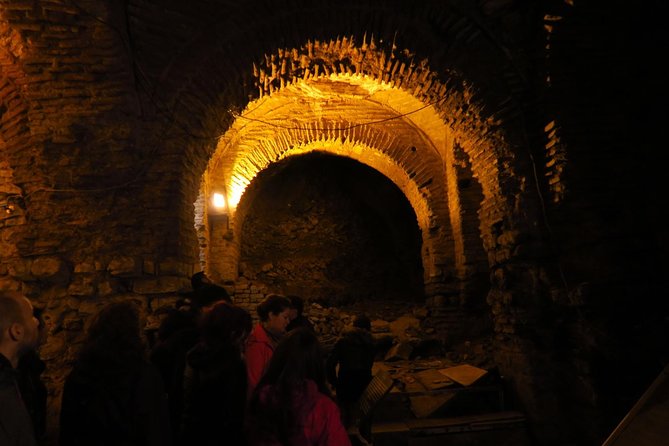
Istanbul’s best surprises are often below street level, and this tour takes you into several of them. You’ll visit the Binbirdirek Cistern, a private Byzantine cistern with a Hippodrome exhibition, then connect those underground spaces to Roman forums, Ottoman mosques, and the city’s old public squares.
I like the unusual route, which reaches places many first-time visitors miss. I also like the local touches: Turkish tea, lunch at a neighborhood lokanta, and a taste of boza. Serif Yenen is especially well suited to this kind of tour, with a reputation for strong historical storytelling and access to private sites.
The main consideration is pace. Six to seven hours of walking, stairs, uneven ground, and several short visits require good fitness. At $490 per person, this makes the most sense if you value a private guide, included food, and access to places that are difficult to arrange alone.
Key points to know before booking
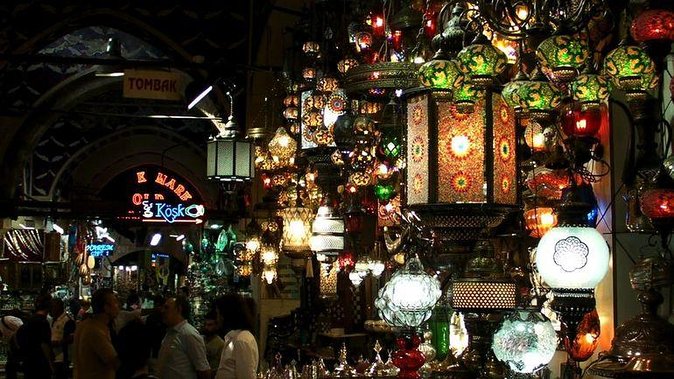
- Private access to Byzantine remains: Special-permission visits include ruins linked to the Great Palace and a lesser-known cistern near Nakkas Oriental Rugs & Textiles.
- A serious history route: The day moves from Justinian and Constantinople to Ottoman Istanbul, with the Hippodrome, Roman forums, mosques, and the Valens Aqueduct all included.
- Food is part of the tour: You receive Turkish tea, lunch at a lokanta, and a tasting of boza, a traditional fermented drink.
- A walking-heavy day: The route lasts about 6 to 7 hours and requires comfortable shoes and a strong physical fitness level.
- Experienced guide Serif Yenen: His style is especially useful for visitors who want context, flexibility, and access beyond the standard sightseeing circuit.
- A practical booking detail: The tour requires at least two people per booking and is offered in English.
Why this Istanbul tour takes you beyond the usual sights
Many Istanbul tours focus on Hagia Sophia, the Blue Mosque, Topkapı Palace, and the Basilica Cistern. Those landmarks deserve their fame, but this experience takes a different path through the historic peninsula.
You still see major chapters of Istanbul’s past, yet the emphasis is on overlooked remains and places that need a guide to make sense. The result is less about collecting famous buildings and more about following how one city changed from Byzantium to Constantinople and then to Ottoman Istanbul.
The route also has a useful rhythm. It begins with tea and an introduction to Turkey’s geography and history, moves through underground sites and ancient public spaces, pauses for lunch, and ends at the Valens Aqueduct. That structure helps the day feel like a story rather than a series of disconnected stops.
Because it is a private activity, your group is the only group participating. That can matter in Istanbul, where narrow streets, busy squares, and indoor monuments can make large-group tours tiring. The available information also describes group discounts, but the price is listed at $490 per person, so you should confirm the exact rate for your party before booking.
Other Istanbul outings people put on the same list:
- Istanbul: Bosphorus Dinner Cruise & Show with Private Table
★ 4.8 · 44,561 reviews - Istanbul: Daytime or Sunset Sightseeing Cruise & Audio Guide
★ 4.8 · 14,430 reviews - Istanbul: Bosphorus Dinner Cruise with Turkish Night Show
★ 4.8 · 10,127 reviews
Tea and Justinian at Little Hagia Sophia
The meeting point is the garden cafe at Küçük Ayasofya, or Little Hagia Sophia Mosque. You begin with traditional Turkish tea while the guide introduces Turkey’s geography and the broad sweep of its past.
This is a sensible opening. Istanbul can feel confusing at first, with Roman, Byzantine, Ottoman, and modern Turkish landmarks layered across the same neighborhoods. A short orientation gives you a map in your head before the walking begins.
Little Hagia Sophia is important because it predates the better-known Hagia Sophia and was built under Emperor Justinian. Its Byzantine design offers a quieter introduction to the architectural world that later produced Hagia Sophia.
The first stop lasts about an hour and has no separate admission charge. The setting is calmer than the city’s biggest monuments, though you should remember that a mosque is an active religious place. Dress and behavior should be respectful, and access to the interior may depend on local conditions.
Private Byzantine remains at the Eresin Hotel Sultanahmet
The next stop takes you to ruins associated with the Byzantine Great Palace, in a private location reached by special permission. This is one of the tour’s strongest features because it gives you a chance to see a fragment of ancient royal Istanbul that is not simply part of the standard public route.
You receive about 30 minutes here. That is enough for a focused explanation and a close look, but not enough for a long archaeological visit. The value comes from access and interpretation rather than the size of the site.
Expect some surprise in the way this stop is presented. The exact nature of the visit is described as a special-access experience, so the available area may depend on permission and site conditions. That uncertainty is worth accepting if you enjoy unusual places, but it also means this is not the stop to book if you want a predictable museum-style visit.
The underground cistern near Nakkas Oriental Rugs
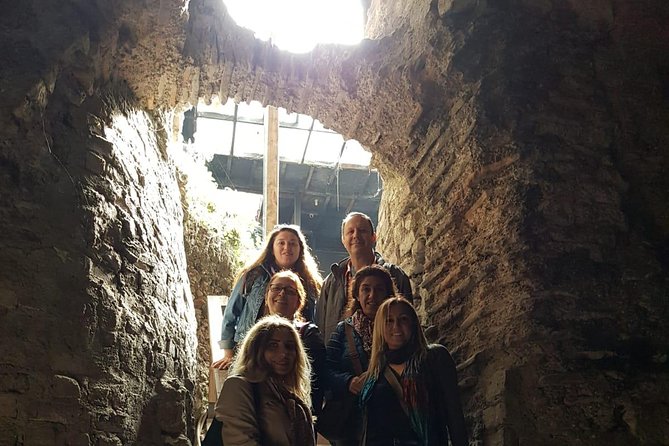
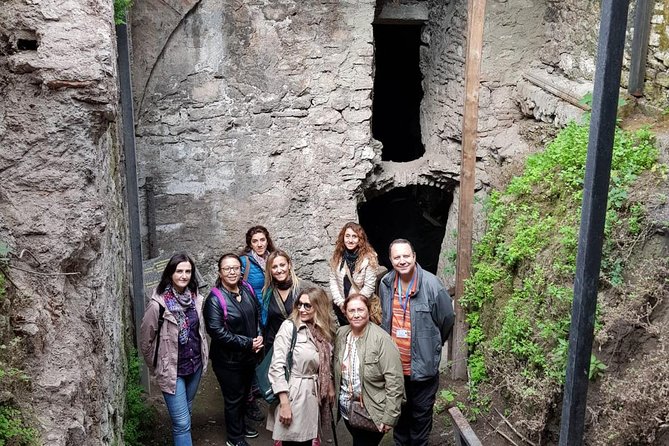
The tour then heads underground to a Byzantine cistern reached through Nakkas Oriental Rugs & Textiles. This 45-minute visit includes an exhibition connected with the ancient Hippodrome.
I like the way this stop connects two parts of Istanbul’s past. A cistern was practical infrastructure, built to store water for the city. The Hippodrome was a public arena tied to politics, sport, ceremony, and crowd life. Seeing an exhibition about the Hippodrome inside an underground water structure gives you a strong sense of how much of old Constantinople survives below today’s streets.
The special-access element matters here. You are not simply walking into the city’s best-known cistern with the usual crowd. The visit requires permission, and entrance is included, which adds real value to the tour price.
A different side of Istanbul on the same trip:
- Best of Istanbul 1, 2 or 3-Day Private Guided Istanbul Tour
★ 5.0 · 8,922 reviews - Istanbul: Basilica Cistern Fast-Track Entry and Audio Guide
★ 4.6 · 7,521 reviews - Istanbul: Hagia Sophia Skip-the-Line Ticket & Museum Option
★ 3.7 · 4,958 reviews - Istanbul: Hodjapasha Whirling Dervishes Show & Exhibition
★ 4.4 · 4,790 reviews
The Hippodrome and the city’s public heart
Above ground, the tour reaches the Hippodrome. You have about 20 minutes to picture the ancient arena as the center of public life in Constantinople.
The open space can be hard to read without explanation. Much of the original structure is gone, and modern streets have replaced the old track and seating. A guide helps you imagine the chariot races, imperial ceremonies, political tension, and crowds that once filled this area.
This is a short stop, so do not expect a full archaeological presentation. Its purpose is to connect the underground exhibition with the public world above it. That link makes the earlier cistern visit more meaningful.
Istanbul from the Seven Hills Hotel terrace
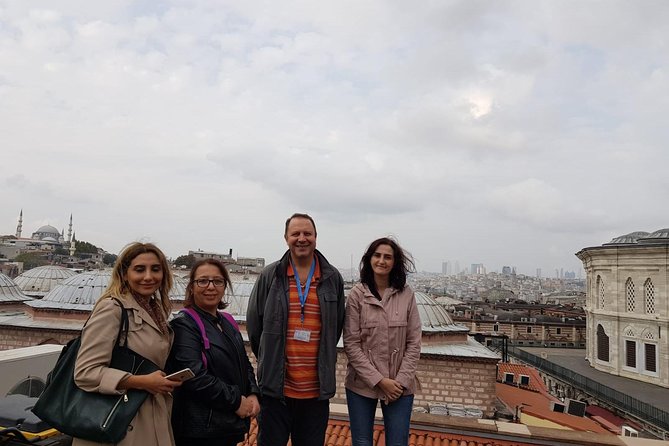
The terrace at the Seven Hills Hotel provides about 20 minutes for wide views across Istanbul. This is the tour’s visual reset after the historical detail and underground spaces.
The stop is free, but the view is valuable because Istanbul’s geography is central to its story. From a high terrace, you can better understand the relationship between the historic peninsula, the water, and the city’s hills.
Bring your camera, but listen to the guide too. The point is not just a quick photograph. The panorama can help you place the monuments you have already seen and understand why this location mattered to successive empires.
Binbirdirek Cistern, Istanbul’s quieter underground giant
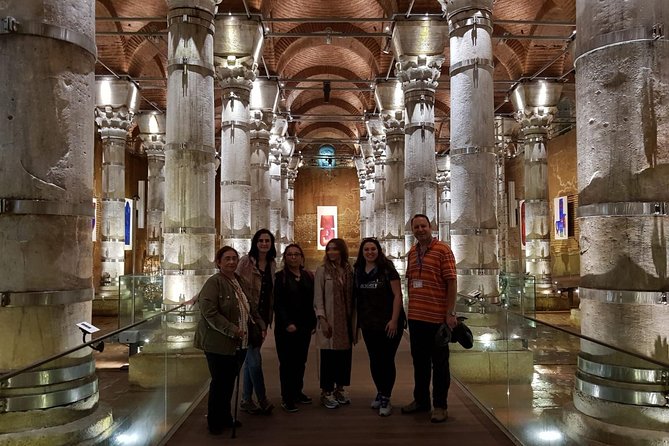
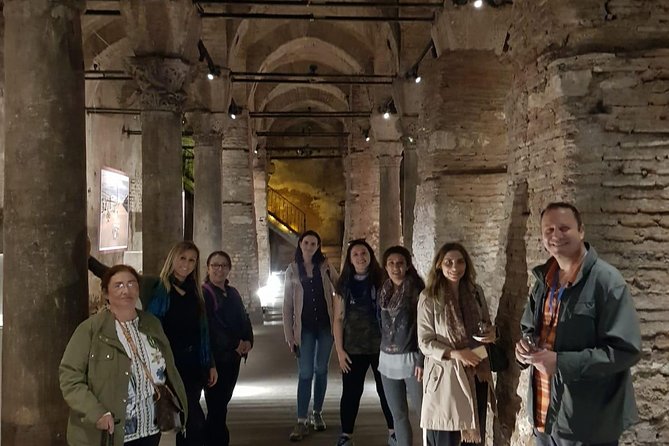
The Binbirdirek Cistern, also called the Cistern of Philoxenos, is one of the day’s main attractions. It is described as Istanbul’s second-largest cistern and is often overlooked beside the much more famous Basilica Cistern.
You receive about 30 minutes inside. That is a good length for appreciating the columns and scale without making the underground portion drag. The space has a more secretive feel than Istanbul’s headline attractions, and its relative quiet is part of the appeal.
The tour also connects the cistern to Mark Twain, who wrote about its unusual appearance. That small literary detail adds personality to the site, especially if you enjoy places with a strong sense of discovery.
You should be ready for dim conditions, steps, and uneven walking surfaces. The tour information calls for a strong physical fitness level, and that advice applies most clearly to the underground visits and the long day overall.
Constantine’s Column and the Forum of Constantine
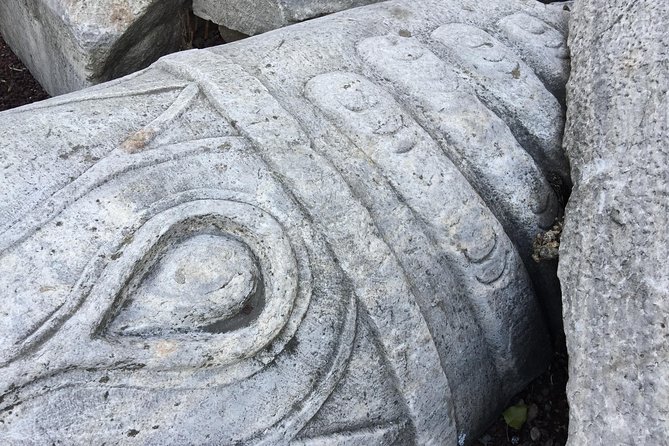
The route continues to Çemberlitaş, where you see the Column of Constantine. It is described as the sole surviving monument of the Forum of Constantine and dates to the period when Constantine made Istanbul, then Constantinople, a new capital of the Roman Empire.
You have about 20 minutes here. The column itself is not a huge complex, but it carries enormous historical weight. It links the modern street to the moment when imperial power shifted east and the city gained a new role in Roman history.
The site is in the open city, so you are seeing a monument in its modern setting rather than entering a preserved ancient forum. That is typical of Istanbul. The old city is not fenced off from daily life, and understanding that mixture is part of what makes walking here worthwhile.
Lunch at a local lokanta
Lunch takes place at a nearby lokanta, a Turkish-style eatery serving quickly prepared, home-style dishes for local shopkeepers. The meal is included, as are the entrance costs, tea, coffee, and boza tasting.
A lokanta is a practical choice for this route. You are not being sent to a formal restaurant designed mainly for sightseeing. Instead, you get a chance to sample the sort of cooked food associated with everyday Turkish dining.
The available details do not specify the menu, so do not arrive expecting a particular dish. The food selection is described as broad, and the stop lasts about 45 minutes. If you have dietary needs, tell Serif when booking or at the beginning of the day. His past tour work includes careful attention to vegetarian meals, which is useful, though you should still confirm your needs in advance.
The Forum of Theodosius and Kalenderhane Mosque
After lunch, the tour pauses at the Forum of Theodosius for about 15 minutes. Emperor Theodosius I built this public center in the late fourth century, with arcades, shops, marketplaces, and the Column of Theodosius at its core.
Only fragments remain today, so this is another place where explanation matters more than visual spectacle. You are standing in an area that once hosted processions, trade, and public debate, but the modern city has covered much of the original layout.
The next stop is Kalenderhane Mosque, formerly the Byzantine Church of Theotokos Kyriotissa. The visit is outside only and lasts about 15 minutes. Even without entering, you can see the layered character of Istanbul in its domes, brickwork, and changing religious use.
This is a good stop for readers interested in architecture and religious change. It is less satisfying if your priority is going inside every major building, since the exterior visit is brief and interior access is not included.
Boza at Vefa Bozacısı
At Vefa Bozacısı, you taste boza, a traditional fermented drink with a sweet and tangy flavor and a thick texture. The tasting lasts about 15 minutes.
Boza is not a generic soft drink stop. It gives you a direct connection to Turkish food culture and to an old style of fermentation. Some people enjoy its unusual character immediately; others may need a few sips to decide. That is exactly why it is worth trying in a guided setting.
This brief pause also breaks up the monuments. After several centuries of architecture and archaeology, a local drink gives the tour a more ordinary, human scale.
Şehzade Mosque and Sinan’s Ottoman design
The Şehzade Mosque is one of the day’s strongest Ottoman stops. Mimar Sinan designed it, and Sultan Süleyman the Magnificent commissioned it in memory of his son.
You have about 30 minutes here. The mosque’s domes and calligraphy show the confidence of sixteenth-century Ottoman design, while its purpose adds a personal story to the imperial setting.
The tour information lists the admission as free. As with any active mosque, entry may require respectful dress and proper conduct. The visit offers a calm change of mood after the Roman and Byzantine remains, and it helps you see Ottoman architecture as a later chapter built into the same old city.
Ending under the Valens Aqueduct
The final stop is the Valens Aqueduct, also known as Bozdogan Kemeri. You spend about 10 minutes here before the tour ends.
The aqueduct was built in the fourth century to bring water to Constantinople. Its surviving arches cross the city as a reminder that ancient government depended on large systems of engineering, not only palaces and monuments.
Ending here gives the route a practical final note. You have seen water storage underground and water transport above ground, with public squares and religious buildings filling the space between them.
The stated endpoint is near the Valens Aqueduct in the European side of Istanbul. The tour information also mentions hotel drop-off at centrally located accommodations, but the listed meeting details say the tour ends at the aqueduct. Confirm the exact drop-off arrangement before booking, especially if you are relying on transport back to your hotel.
Is $490 per person a fair price?
At $490 per person, this is not a budget walking tour. You are paying for a private English-speaking guide, special-access arrangements, entrance fees, lunch, tea or coffee, an Istanbul map, and boza tasting.
The value improves if you are traveling as a small private group and want a guide who can explain difficult historical layers. The private access is also important. Arranging permission for lesser-known Byzantine sites on your own would be difficult, and you would lose the connection between the ruins, cisterns, forums, and mosques.
The price is harder to justify if you mainly want Istanbul’s famous headline sights or prefer moving at your own pace. You can visit several major monuments independently for less, though you would not receive this exact route or the same special-access visits.
Who should book this experience?
I would recommend it to history-focused visitors, repeat visitors to Istanbul, and anyone who prefers local food and overlooked sites to a checklist of famous buildings. It also suits people who want one long, organized day with a guide handling the historical connections.
The tour is less suitable for anyone with limited walking ability, since the day lasts 6 to 7 hours and includes underground sites, city streets, and multiple stops. The minimum age is eight, and every booking must include at least two people.
Serif Yenen is the guide named in the tour information. His past work includes leading groups ranging from couples to groups of around 20, with particular attention to food, local connections, and sites that are easy to miss. His English, personal approach, flexibility, and sense of humor are repeatedly emphasized in the supplied comments, making him a strong fit for a tour built around explanation rather than simple transportation.
Should you book it?
Book this tour if you want Istanbul’s older layers explained by a personal guide and you are excited by cisterns, Roman infrastructure, Byzantine remains, Ottoman mosques, and local tastes. The private access to the lesser-seen cisterns is the main reason to choose it.
Skip it if you want a relaxed half-day, a vehicle between stops, or only the city’s most famous monuments. The price is substantial, the route is active, and the endpoint needs clarification. For the right visitor, though, this is a thoughtful way to connect Istanbul’s underground waterworks, imperial forums, religious buildings, and everyday food into one long story.
FAQ
How long does the Istanbul Unveiled tour last?
The tour lasts approximately 6 to 7 hours.
Where does the tour begin?
It begins at the garden cafe of Little Hagia Sophia Mosque, Küçük Ayasofya Camii Sokagi No:20, in Fatih, Istanbul.
Where does the tour end?
The listed endpoint is the Valens Aqueduct, also called Bozdogan Kemeri, in the European side of Istanbul. The tour information also refers to hotel drop-off at centrally located accommodations, so confirm the exact arrangement before booking.
Is transportation included?
Private transportation is not included. The route is a walking-heavy experience using city streets and underground sites.
Is lunch included?
Yes. Lunch at a nearby lokanta is included in the tour price.
What drinks and tastings are included?
The experience includes Turkish tea or coffee and a tasting of boza, a traditional fermented Turkish drink.
Is the tour private?
Yes. Only your group participates in the private activity.
Is there a minimum age and group size?
The minimum age is eight years old, and at least two people are required per booking.
Can I cancel for a full refund?
You can cancel at least 24 hours before the experience start time for a full refund. Cancellations or changes made less than 24 hours before the start time are not refunded or accepted.
Recently added in Istanbul
- Yildiz Palace & Park: Skip-the-Line Entry with Audio Guide★ 5.0 · 4 reviews
- Walls of Contantinople and Blachernea Palace Tour★ 4.1 · 7 reviews
- Whirling Dervish Ceremony★ 4.5 · 35 reviews
- Istanbul:Whirling Dervish Ceremony, Mystical Sufi Experience★ 4.1 · 17 reviews
- Turkish Tapas – Meze Cooking for Beginners in Istanbul★ 4.5 · 16 reviews
- İstanbul: Turkish Night On the Bosphorus with Private Table★ 3.2 · 9 reviews
- Istanbul Bosphorus Dinner Cruise Tour – Private Table★ 3.9 · 8 reviews
- Istanbul Sultanahmet Turkish Bath Sultan Suleyman Bath★ 3.7 · 38 reviews