
Reviewed · ISTANBUL SELF-GUIDED AUDIO TOURS
Kucuksu Pavilion Skip-the-Line Ticket with Audio Guide
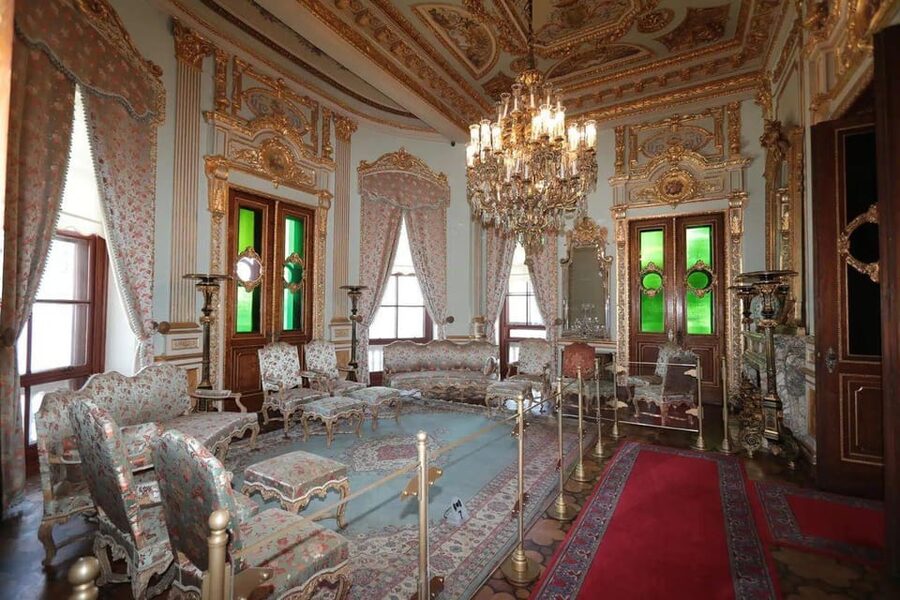
Küçüksu Pavilion gives you a compact look at Ottoman court life beside the Bosphorus. The two-storey building sits between two streams, with a garden and water views that make the setting as important as the rooms inside. The audio guide lets you take your time rather than follow a fixed tour.
I like the simple format and the low $14 price. You get skip-the-line entry plus an English audio guide, which is useful when you want context without joining a group. I also like the building’s unusual mix of Ottoman taste and Western design, especially when paired with its waterside setting.
The main consideration is that this is not a guided tour. You will not have a live guide answering questions, and the available information does not give a set visit length or a detailed route. Check the available starting times before booking, then allow yourself enough time to enjoy the pavilion and garden without rushing.
Key points to know before you book
- Built beside the Bosphorus: Küçüksu Pavilion sits between two streams, giving the visit a striking waterside setting.
- Two stages of Ottoman history: The first pavilion opened in 1751, while the building you see today took its current form in 1856 to 1857.
- English audio guide included: You can learn about the rooms and building at your own pace.
- Skip-the-line entry: The ticket is designed to save time at the ticket line.
- Ottoman and Western design together: The pavilion reflects changing tastes at the Ottoman court.
- Good value for a self-guided visit: At $14 per person, the package combines admission and audio commentary without the cost of a private guide.
Küçüksu Pavilion and its Bosphorus setting

The first thing to notice is the location. Küçüksu Pavilion was built between two streams along the Bosphorus, where water, gardens, and royal architecture meet in a small but memorable setting. This is not a huge palace complex that takes half a day to cross. It is a more focused visit, useful when you want to add one elegant historical stop to your Istanbul plans.
The setting helps explain why the pavilion was built here. During the Ottoman period, the shores of the Bosphorus attracted attention from the court and its senior officials. Küçüksu Pavilion grew from that interest in the waterfront, giving the sultan and court a place connected to the natural beauty of the strait.
You should plan to spend time outside as well as inside. The garden gives you a chance to see the building’s shape and materials from a distance. It also provides the best sense of how the pavilion belongs to its surroundings rather than sitting apart from them.
The Bosphorus views are a major part of the appeal, but they do not replace the interior visit. The pavilion’s design and history are the reason to enter. Think of the garden and water as the frame around the main subject.
More Audio Guide Tours in Istanbul:
- Istanbul: Daytime or Sunset Sightseeing Cruise & Audio Guide
★ 4.8 · 14,430 reviews - Istanbul: Basilica Cistern Fast-Track Entry and Audio Guide
★ 4.6 · 7,521 reviews - Istanbul: Topkapi Palace & Harem Museum Ticket & Audio Guide
★ 4.1 · 3,977 reviews
From 1751 origins to the 1856 building
Küçüksu Pavilion first opened in 1751 during the reign of Sultan Mahmud I. Its construction followed a recommendation from a Grand Vizier, a senior Ottoman official. That detail gives the building a useful political and social context: this was not simply a private house placed at random beside the water.
The pavilion later changed considerably. It took on its current form between 1856 and 1857, so the structure you visit reflects more than one period of Ottoman rule. The building’s earlier origins reach back to the 18th century, while its present appearance belongs largely to the 19th century.
I find that timeline helpful when looking at the architecture. You are not seeing one untouched design from 1751. You are seeing a place that changed as court preferences and architectural influences changed. The combination of Ottoman and Western design becomes easier to understand when you know the pavilion developed over time.
The building was constructed with brick and stone and rises two storeys. Its size keeps the visit manageable, but its materials give it a formal presence. You can appreciate the exterior as a carefully designed court building rather than an ordinary waterside residence.
What the audio guide adds inside

Your ticket includes a professional audio guide in English. This is the central feature for anyone who wants more than a quick look at the rooms but does not want a live group tour.
An audio guide works best when you set your own pace. You can stop to look at a detail, continue when you are ready, and spend more time in the areas that interest you. That flexibility suits a small pavilion, where the visit is about noticing design and atmosphere rather than covering a long list of distant rooms.
The guide should also help connect the building’s appearance with its past. Without context, it can be easy to see an ornate Ottoman building and move on after a few photographs. The historical explanation gives meaning to the 1751 opening, the later rebuilding in 1856 to 1857, and the pavilion’s place beside the Bosphorus.
The audio guide is in English, and no other language is specified in the activity details. If you want a live expert to explain the building, compare styles, or answer questions, this ticket will not provide that. It includes self-guided audio commentary, not a guided tour.
That difference matters. Some visitors prefer a guide who shapes the experience from start to finish. I prefer this format when I want control over the pace, especially at a small site where a fixed group route may feel too rigid.
Ottoman interiors and Western influence
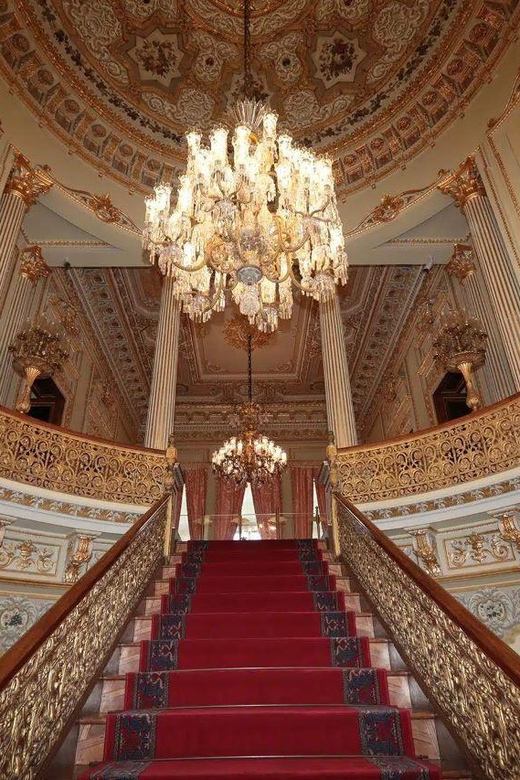
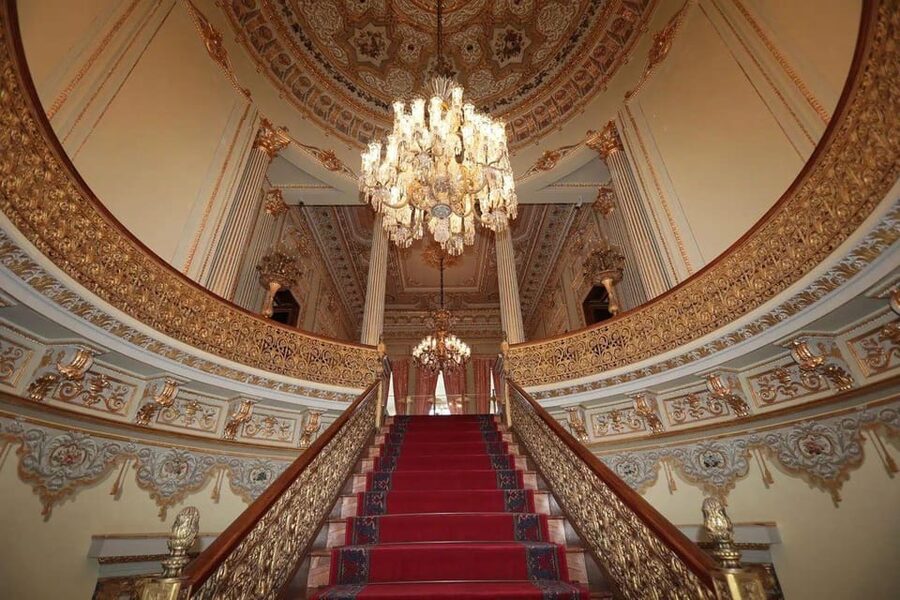
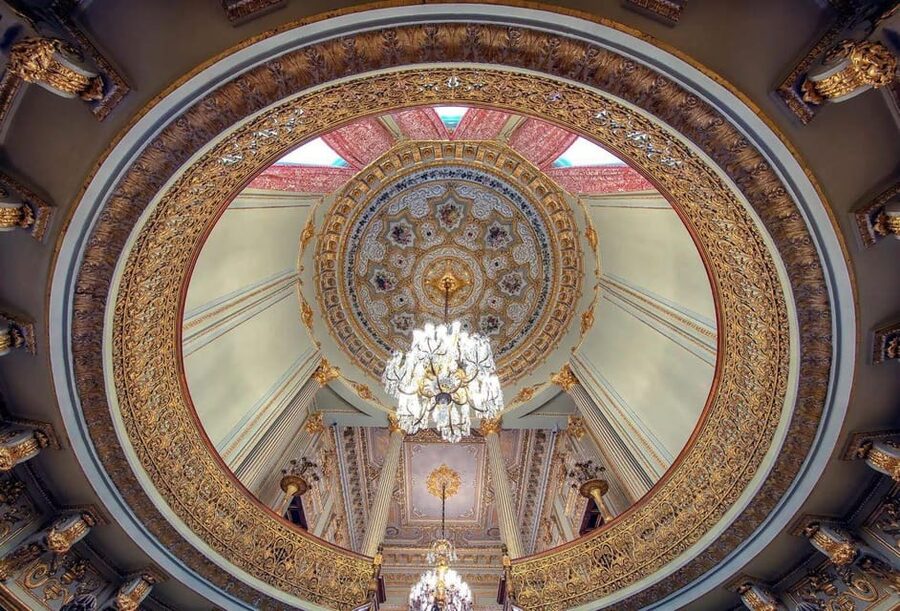
Inside, pay attention to the blend of Ottoman and Western design. The pavilion represents a period when Ottoman court architecture was responding to European influence while retaining its own traditions. That mixture is one of the most interesting reasons to visit.
The audio commentary should be your main tool for reading the building. Look at the rooms first, then listen for the details that explain how the design fits into the wider story of the Ottoman Empire. The value is not only in identifying decorative features. It is in seeing how the pavilion reflects changing ideas about royal buildings, leisure, and display.
The two-storey layout also helps make the visit feel distinct from a much larger palace. You can focus on the relationship between the exterior, the interiors, and the building’s position by the water. The compact scale means you have a better chance of remembering specific details instead of leaving with only a general impression.
At the same time, do not expect the ticket to provide a long, theatrical program. The experience is quiet and self-paced. Its strength is the chance to look carefully, listen, and form your own impression of the architecture.
More Skip-the-Line Tickets in Istanbul:
- Istanbul: Hagia Sophia Skip-the-Line Ticket & Museum Option
★ 3.7 · 4,958 reviews - Istanbul: Basilica Cistern Skip-the-Line Entry Ticket
★ 4.6 · 2,270 reviews - Istanbul: Hagia Sophia Skip-the-Line Ticket and Audio Guide
★ 4.3 · 2,246 reviews - Istanbul: Hagia Sophia Skip-the-Line Ticket with Audio Tour
★ 4.4 · 1,767 reviews
The garden, streams, and outdoor views
Once you have explored the interior, give the garden proper attention. The grounds help you understand the pavilion’s placement between two streams and its connection to the Bosphorus. They also offer a change of pace after listening to the audio guide indoors.
The garden is included in the setting described for the visit, but the activity details do not provide its exact size or list specific features. I would therefore come for the overall atmosphere and views rather than expect a large formal garden tour.
From outside, look back at the brick-and-stone structure. The two-storey form is easier to appreciate when you can see the whole building at once. This is also where the contrast between a grand Ottoman pavilion and its natural surroundings becomes clearest.
If you are planning photographs, the exterior and water views are likely to be more rewarding than trying to rush through the rooms. The pavilion is appealing because architecture and location work together. Set aside a little time for both.
Why the $14 ticket can make sense

At $14 per person, the ticket is reasonably priced for a short cultural visit that includes two useful extras: skip-the-line access and an English audio guide. You are not paying for transportation, food, or a live guide. That keeps the price clear, but it also means you must arrange your own way to the pavilion and manage the visit yourself.
The skip-the-line feature matters most when the ticket line is long. It can save time and reduce the uncertainty of arriving at a popular site. Still, skip-the-line entry does not turn the visit into a private experience. You will be entering with other ticket holders, and the site itself may still have normal visitor activity.
The audio guide adds value for visitors who want historical background without paying for a private or group tour. If you would otherwise walk through silently, the commentary can make the building easier to understand. If you already know the pavilion’s history or prefer to read on your own, you may find the package less essential.
The reserve-now-and-pay-later option also helps if your Istanbul plans are still moving around. You can reserve a place without paying today, according to the booking terms. Free cancellation is available up to 24 hours in advance for a full refund, so you have some flexibility if your schedule changes.
How to plan your visit
The ticket is valid for one day, and you should check availability for the starting times before booking. The information does not provide a fixed tour duration, so do not build your day around an exact number of minutes. Give yourself room to hear the audio guide, inspect the rooms, and spend time in the garden.
Because there is no transportation included, you need to plan how you will reach Küçüksu Pavilion. The ticket is best for someone who already has a Bosphorus-side plan or is comfortable arranging the visit independently.
A useful approach is to treat the pavilion as one carefully chosen stop rather than the only activity of the day. The building is compact, and the water setting adds interest before and after the interior visit. You can listen at your own speed instead of trying to keep up with a group.
Bring your attention to the building’s timeline. Start with the 1751 origin, note the 1856 to 1857 rebuilding, and then consider the pavilion’s later life as a museum from 1983 onward. That sequence gives the visit a clear shape.
Who should book this experience
I would recommend this ticket to you if you want a self-guided cultural stop with straightforward entry and useful background in English. It suits independent visitors, couples, and anyone who prefers to set the pace rather than follow a guide holding a flag.
It also works well for architecture fans. The mix of Ottoman and Western design gives you something specific to look for, while the brick-and-stone construction and two-storey form keep the visit visually focused.
Families may appreciate the short, flexible format, though the activity details do not specify special family programming. You can move through the building at your own speed, but the audio guide may be more useful for older children and adults who enjoy historical explanation.
I would think twice if you want a live guide, a detailed group itinerary, or transportation bundled into the price. None of those are included. This is an admission ticket with audio commentary, not a full-day guided excursion.
Should you book the Küçüksu Pavilion ticket?
Book it if you want an easy way to see a distinctive Ottoman pavilion beside the Bosphorus without spending much. The strongest reasons are the $14 price, skip-the-line entry, and English audio guide. The building’s two historical phases and its Ottoman-Western design make the visit more than a quick photo stop.
Skip it if your priority is a live guide or a large palace complex with many rooms and exhibits. Küçüksu Pavilion offers a compact, quiet experience, and you are responsible for arranging transportation and following the visit at your own pace.
For an independent Istanbul itinerary, this is a sensible add-on. The pavilion, garden, streams, and Bosphorus views give you a different side of the city, while the audio guide supplies enough context to make the architecture meaningful.
FAQ
Where is Küçüksu Pavilion located?
Küçüksu Pavilion is in the Marmara Region of Turkey, beside the Bosphorus and between two streams.
How much does the ticket cost?
The listed price is $14 per person.
What does the ticket include?
It includes skip-the-line entry to Küçüksu Pavilion and a professional audio guide in English.
Is a live guided tour included?
No. Guided tours are not included. The experience provides an audio guide for self-guided exploration.
Is the audio guide available in English?
Yes. A professional audio guide in English is included.
How long is the ticket valid?
The ticket is valid for one day. You should check availability for the starting times.
Can I cancel the booking?
Yes. You can cancel up to 24 hours in advance for a full refund.
Do I have to pay when I book?
No. The reserve-now-and-pay-later option lets you book your spot and pay later.
What architectural styles can I see?
The pavilion combines Ottoman and Western design influences.
What can I see outside the pavilion?
You can see the garden, the building’s waterside setting between two streams, and views connected with the Bosphorus.
Recently added in Istanbul
- Two (2) Days Istanbul Old City and Two Continents Walking Tour★ 5.0 · 6 reviews
- istanbul old city private tour★ 5.0 · 19 reviews
- Private Guided Tour: Discovering Istanbul★ 4.5 · 9 reviews
- Istanbul Airport (IST) To Hotels Transfer★ 5.0 · 80 reviews
- Best Of İstanbul Europe Side In One Day★ 5.0 · 10 reviews
- 2 Days Cappadocia Tour from Istanbul with Optional Balloon★ 5.0 · 10 reviews
- Hagia Sophia Private Skip The Ticket line guided Tour★ 4.5 · 17 reviews
- historical peninsula walking tour★ 5.0 · 6 reviews
Istanbul Self-Guided Audio Tours, compared.

Daytime or Sunset Sightseeing Cruise & Audio Guide
Read our review →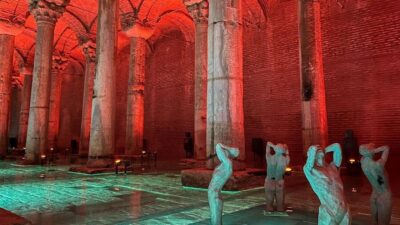
Basilica Cistern Fast-Track Entry and Audio Guide
Read our review →
Topkapi Palace & Harem Museum Ticket & Audio Guide
Read our review →
Bosphorus Sightseeing Cruise Tour with Audio Guide
Read our review →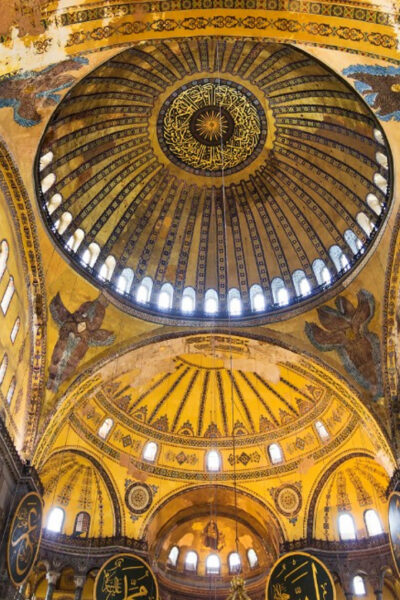
Hagia Sophia Skip-the-Line Ticket and Audio Guide
Read our review →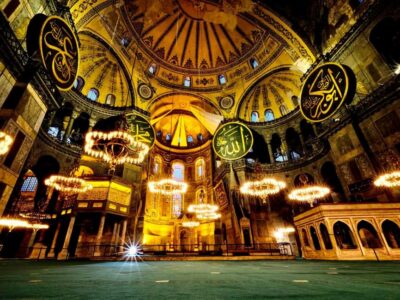
Hagia Sophia Skip-the-Line Ticket with Audio Tour
Read our review →
Bosphorus Cruise w/Audio Guide and Sunset Option
Read our review →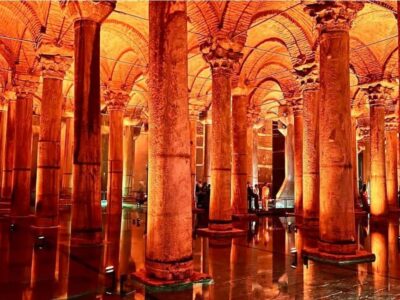
Basilica Cistern Skip-the-Line Entry & Audio Guide
Read our review →Browse the lists this tour appears in