
Reviewed · 7-DAY EXPERIENCES
Turkey Higlights in 7 days
Istanbul’s grand monuments, Cappadocia’s rock valleys, Ephesus, and Pamukkale make this a powerful first trip to Turkey. I like that the package joins these far-flung sights with domestic flights and airport transfers, so you do not lose days arranging transport. I also like the small maximum of 15 people, which should make guiding and group movement easier.
The tradeoff is pace. You cover four major regions in seven days, with early starts, long sightseeing days, and several hotel changes. The hot-air balloon ride is not included, and dinners and drinks are yours to pay for.
Key points at a glance
- Four major Turkish destinations: Istanbul, Cappadocia, Ephesus, and Pamukkale all fit into one tightly planned week.
- Three domestic flights included: Air travel saves long overland journeys, with a stated baggage allowance of 15 kilograms plus an 8-kilogram handbag.
- Small group size: The tour accepts a maximum of 15 people, a useful limit for busy archaeological sites and city streets.
- Strong guide element: Dilek is specifically noted for clear English and strong historical explanations, while Erkan and his team handle trip support.
- Balloon flight costs extra: You can arrange the Cappadocia hot-air balloon ride locally, but it is not part of the $2,315.20 price.
- Five guided tour days: Hotels, breakfasts, lunches, transport, admission fees, and airport transfers are bundled into the package.
Four regions in seven days
This is a sightseeing-heavy route, not a slow holiday. You begin with Istanbul, then fly to Cappadocia, continue to the Aegean ruins at Ephesus, and finish among the white terraces of Pamukkale.
At $2,315.20 per person, the price is substantial. It includes six hotel nights, three domestic flights with taxes, airport transfers, five breakfasts, five lunches, guides, transport, and entrance fees. That makes the package easier to price than an independent trip, especially when you add up flights, hotels, admission tickets, and transfers across Turkey.
Still, included does not mean every expense disappears. You pay for dinners, drinks, and the optional balloon ride. Ask for the exact flight schedule, hotel names, and dinner costs before booking. Those details will tell you how much free time you will have and how much extra cash you need.
A few more Istanbul bookings to weigh up
- Turkey Classics 7 Day Escorted Tour from Istanbul
★ 4.5 · 165 reviews - 7 Days Best of Turkey Tour: Istanbul-Cappadocia-Ephesus-Pamukkale
★ 5.0 · 91 reviews - 7 Days Turkey Tour Package – Highlights of Turkey
★ 5.0 · 73 reviews
Day 1: arriving in Istanbul’s Old City
Your arrival transfer takes you from either Istanbul Airport or Sabiha Gökçen International Airport to a hotel near the Blue Mosque in Sultanahmet. You get free time on arrival, followed by an overnight in Istanbul.
The two airports are on different sides of the city, so the included pickup is useful. Airport transfers in Istanbul can take time, and the listed transfer duration is about two hours. Your actual journey will depend on the airport, traffic, and arrival time.
The Old City location gives you a practical base for the next day. You can walk toward the Blue Mosque, Hagia Sophia, Topkapi Palace, and Basilica Cistern without spending your first evening crossing the city. If you arrive tired, keep your first night simple. The following day is packed.
Day 2: the imperial heart of Istanbul
You begin at the Hippodrome, now Sultanahmet Square. The ancient racecourse once hosted chariot contests and public ceremonies, and its surviving monuments, including the Egyptian Obelisk of Theodosius, the Serpent Column, and the Walled Obelisk, help you picture the old city beneath today’s streets.
The Blue Mosque follows. Its six minarets, large central dome, courtyard, and blue İznik tiles make it one of Istanbul’s defining sights. It is still a working mosque, so dress modestly and expect visits to pause around prayer times. Women may need to cover their heads, and everyone should remove shoes before entering.
Topkapi Palace takes about two hours and gives you a clearer sense of Ottoman court life than a quick exterior visit can provide. The four courtyards include royal gardens, the Imperial Treasury, the Chamber of Holy Relics, and the Harem. The Harem is especially worthwhile if its admission is included as stated, but confirm that point because palace sections can sometimes be ticketed separately.
Hagia Sophia is next. Its enormous dome and layered Christian and Islamic details make it one of the world’s great buildings. It began as a Byzantine cathedral, became a mosque after the Ottoman conquest, served as a museum for decades, and returned to mosque use in 2020. Since it is an active place of worship, access rules and interior areas can change.
The Basilica Cistern provides a cool, atmospheric break from the open squares. Beneath the city, rows of marble columns rise above shallow water, with the famous Medusa heads used as column bases. The lighting is dramatic, but floors may be damp, so wear shoes with a secure grip.
You finish at the Grand Bazaar. It is a huge covered market with thousands of shops selling ceramics, textiles, jewelry, carpets, spices, and souvenirs. Give yourself room to browse rather than treating it as a quick shopping stop. Prices are not fixed in every shop, so compare items before buying and do not feel rushed into a purchase.
This is a rewarding day, but it is also a long one. Six major stops leave little time for lingering. I would keep lunch flexible and carry water, especially in warm weather.
Day 3: Cappadocia’s caves, valleys, and underground city
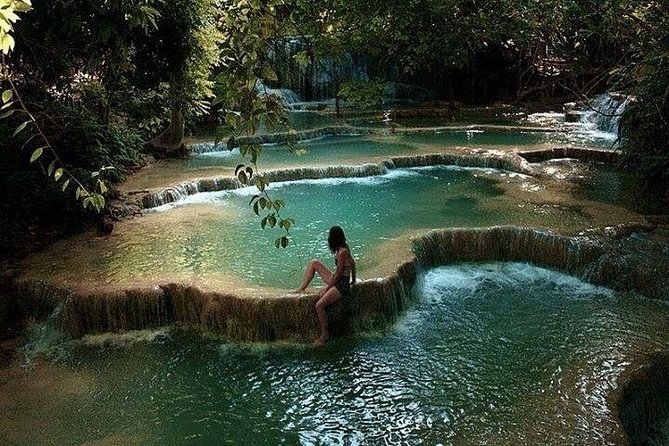
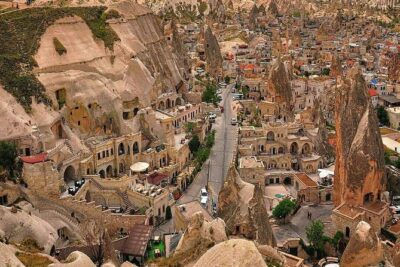
After Istanbul, Cappadocia changes the mood completely. Uçhisar Castle gives you a high viewpoint over the region’s volcanic rock formations and fairy chimneys. The castle is carved into rock, with rooms and tunnels that show how people adapted to the soft stone.
Kızılçukur, or Red Valley, is the day’s main walk. The planned route takes about two hours through red and pink rock, vineyards, fairy chimneys, and rock-cut churches. Sunset is the special moment here, but the walk still requires comfortable footwear. This is not a good place for flimsy sandals or a rushed photo stop.
Çavuşin Village adds a human side to Cappadocia. Its old rock-cut homes and the Church of St. John the Baptist show how people lived and worshiped in the cliffs. The village also connects with nearby walking routes, including Red Valley and Rose Valley.
Love Valley is a short viewpoint stop known for tall, unusual formations. The name comes from their shape, and the site is a quick chance to photograph one of Cappadocia’s most recognizable scenes.
The most striking historical stop is Derinkuyu Underground City. Its multiple levels include living areas, storage rooms, kitchens, chapels, and ventilation systems. The narrow passages can feel cramped, so this part may be uncomfortable if you dislike enclosed spaces. It is also one of the places where a guide adds real value, since the surface reveals little about how the underground city functioned.
Pigeon Valley finishes the day with a gentler view. The pigeon houses cut into the rock once supported farming because the droppings were used as fertilizer. The valley links Göreme and Uçhisar, and even a short stop helps explain the relationship between farming and Cappadocia’s unusual geology.
A different side of Istanbul on the same trip:
- Istanbul: Bosphorus Dinner Cruise & Show with Private Table
★ 4.8 · 44,561 reviews - Istanbul: Daytime or Sunset Sightseeing Cruise & Audio Guide
★ 4.8 · 14,430 reviews - Istanbul: Bosphorus Dinner Cruise with Turkish Night Show
★ 4.8 · 10,127 reviews - Best of Istanbul 1, 2 or 3-Day Private Guided Istanbul Tour
★ 5.0 · 8,922 reviews
Day 4: churches, pottery, and fairy chimneys
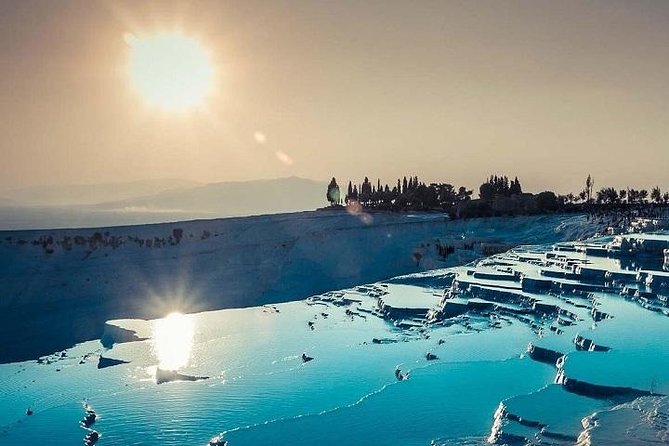
Göreme Panorama starts the next day with broad views across the rock formations. If the timing is right, you may see hot-air balloons in the morning sky. Do not assume this viewpoint is the balloon flight itself. The balloon ride is optional and costs extra.
The Göreme Open-Air Museum is the day’s main cultural stop. This UNESCO-listed site contains rock-cut churches, chapels, monasteries, and living spaces decorated with frescoes from the 10th to 12th centuries. The Dark Church, Apple Church, and Snake Church are among the key sights.
The frescoes are the reason to slow down here. They show early Christian art in a setting where worship spaces were carved directly into the stone. The two-hour visit is useful, though the site can feel crowded and exposed. Bring sun protection and water in warm months.
Avanos offers a change of pace through pottery. The town’s red clay comes from the Kızılırmak River, and local workshops demonstrate techniques with roots reaching back to the Hittite period. The listed visit includes a workshop, but not a paid purchase or a guaranteed hands-on session, so ask before assuming you will make a pot.
At Devrent Valley, erosion has shaped rocks that resemble animals and familiar objects. There are no churches or cave homes here. The appeal is visual and playful, and the two-hour stop gives you time to walk a little and form your own guesses about the shapes.
Paşabağları, or Monk’s Valley, brings you close to mushroom-shaped fairy chimneys. Some contain chapels and dwellings linked to monks who sought solitude in the rock. The Three Beauties near Ürgüp is a shorter final stop, with three distinctive chimneys that have become a symbol of Cappadocia.
Two Cappadocia days provide good coverage, but they are not enough for every valley. If hiking is your main goal, tell the guide early. The schedule favors major viewpoints and landmarks over long, quiet walks.
Day 5: Ephesus and Selçuk’s sacred sites
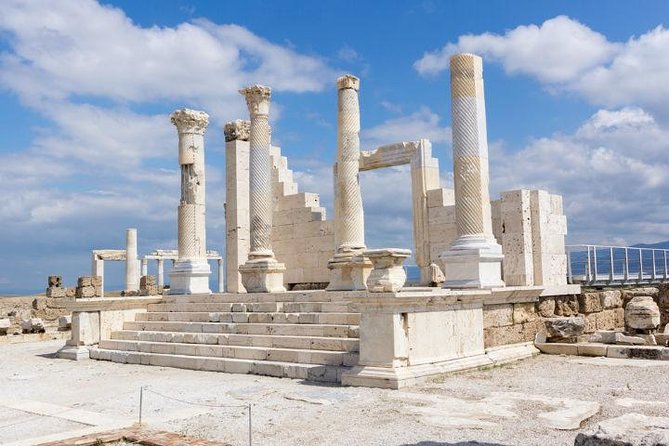
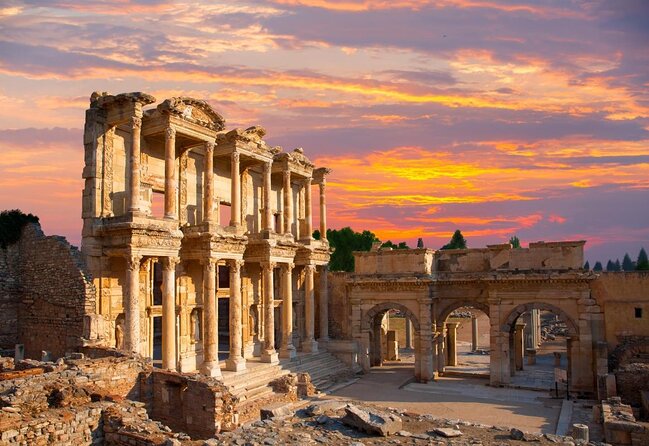
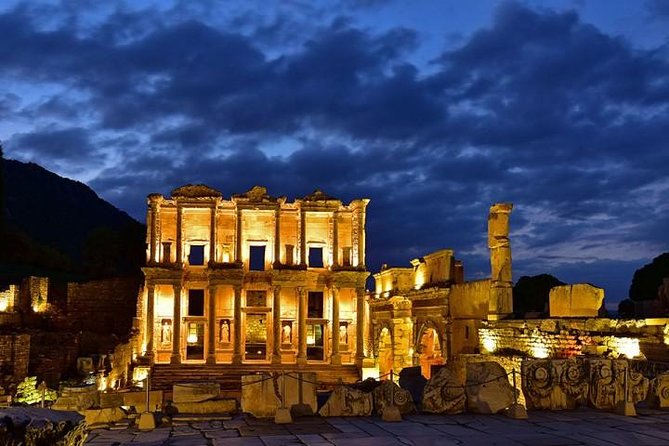
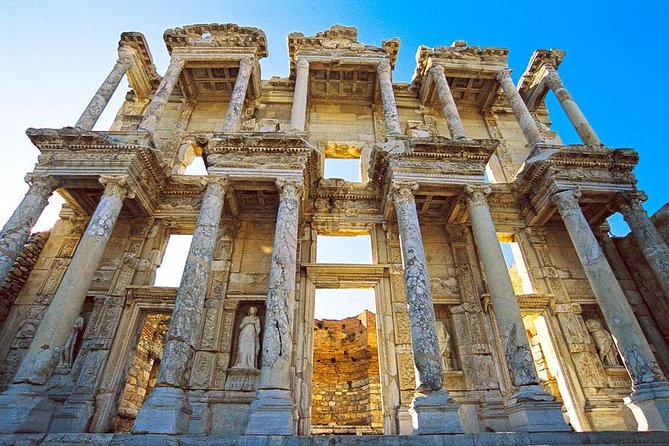
Ephesus is one of the strongest parts of the trip. The ancient city’s marble streets, the Library of Celsus, Great Theatre, agora, and remaining structures give you a vivid sense of Roman urban life.
The Great Theatre could hold about 25,000 people and was used for performances and public events. The Library of Celsus is the famous photo stop, but do not miss the street plan around it. Looking at the paving, columns, shops, and public buildings helps you understand that Ephesus was a working city, not just a collection of isolated ruins.
The Temple of Artemis follows. Only fragments remain, so you need to adjust expectations. This is a meaningful historical site because the temple was one of the Seven Wonders of the Ancient World, but it is not a complete monument. Think of it as a short stop that gives context to Ephesus rather than a full attraction on its own.
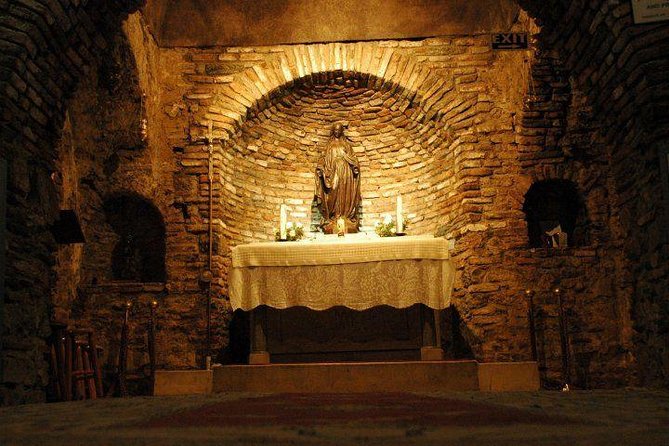
The House of the Virgin Mary sits on a wooded hillside near Ephesus. It is a modest stone structure and a pilgrimage site for Christians and Muslims. The nearby wishing wall is a simple, personal detail, but the main value is the quiet setting after the heat and scale of Ephesus.
Isa Bey Mosque in Selçuk adds an early Turkish-Islamic layer to the day. Its courtyard, carved stonework, dome, minaret, and blend of Seljuk and Ottoman design help you see that the region’s story did not end with the Romans.
The schedule describes this as a very long day, listed at about 10 hours. That is realistic for Ephesus, the hillside visit, the temple, and the mosque. Wear shoes with good support, bring water, and expect sun exposure. The guide matters here. Dilek is specifically praised for clear English and strong explanations of the history, so request her if guide assignments allow. Erkan and his team are also associated with support before, during, and after the trip.
Day 6: Pamukkale’s white terraces and Roman spa city
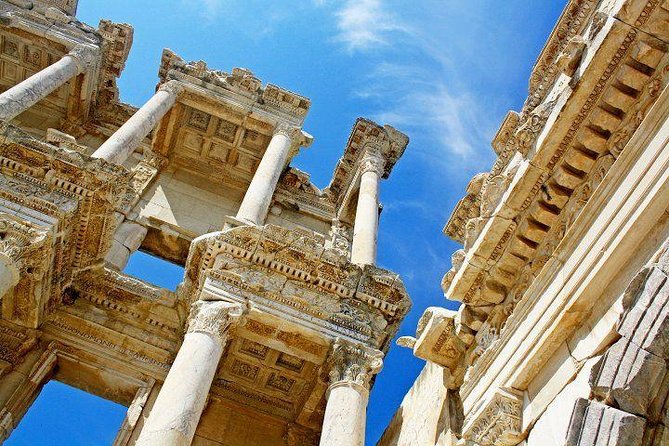
Pamukkale gives the final full day a different feel. The white travertine terraces were formed by mineral-rich thermal water flowing over the hillside. The result looks almost snowy from a distance, but you should follow local instructions about where you may walk and bathe.
The thermal pools are the headline attraction. Walking barefoot across the permitted travertine areas lets you feel the warm water and uneven surface. Bring a small towel and swimwear if you plan to use the pools, though the package details do not specify changing facilities or towel service.
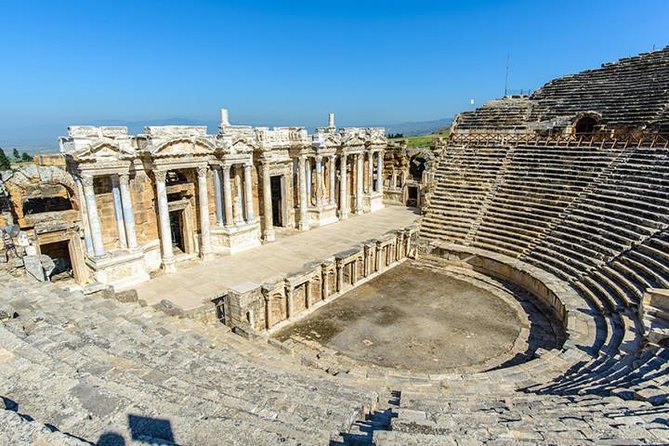
Hierapolis sits above the terraces. This ancient spa city includes a Roman theatre, Temple of Apollo, nymphaeum, agora, city walls, and a large necropolis filled with tombs and sarcophagi. The ruins are not an add-on to Pamukkale. They explain why this site mattered for centuries: people came for the hot springs, then built a full city around them.
The Cleopatra Pool is an optional-feeling highlight within the included sightseeing day, with admission listed as included. You can swim among fallen columns and marble fragments in warm mineral water. The story linking the pool to Cleopatra is local tradition, so enjoy the setting without treating every part of the legend as established fact.
The three-hour Pamukkale visit, two hours at the thermal pools, one hour at Hierapolis, and two hours at Cleopatra Pool add up to another full day. The attractions are close together, but heat, sun, and wet surfaces can make the pace tiring. Bring sandals for pool areas and shoes for the ruins.
Day 7: airport transfer and the end of the route
The final day is simple: transfer to either Istanbul Airport or Sabiha Gökçen International Airport. The stated plan is to leave for the airport four hours before your flight.
That generous margin is sensible in a large city, but check your departure airport carefully. Istanbul has two major airports, and a mistake here would be costly. Your final domestic flight and transfer arrangements should be confirmed before the last night.
What the package includes, and what it does not
The price includes six hotel nights, three domestic flights with taxes, all airport transfers, five guided tour days, transport, entrance fees, five breakfasts, and five lunches. The flights include 15 kilograms of checked baggage plus an 8-kilogram handbag allowance.
You pay separately for dinners, drinks, and the hot-air balloon ride. The balloon flight is the biggest extra cost to plan for, and weather can affect it. If it matters to you, ask when the ride is scheduled and what happens if it is canceled.
The maximum group size is 15. That is small enough for a guide to answer questions, though group pace still affects every stop. Most people can participate, and the route is near public transportation, but the days include walking on ancient stone, uneven ground, underground passages, and wet thermal surfaces.
Free cancellation is available up to 24 hours before the start time for a full refund. Changes or cancellations inside 24 hours are not refunded, and poor weather may lead to a different date or full refund.
Who should book this Turkey tour?
I would choose this trip if you want Turkey’s biggest sights in one organized week and do not want to coordinate domestic flights, hotels, entrance tickets, and transfers yourself. It suits first-time visitors who prefer a guide, fixed transport, and a clear route.
I would hesitate if you want long free evenings, slow meals, or several days in one place. Istanbul alone deserves more time, and Cappadocia rewards extra mornings for walking or balloon plans. This route is best understood as a highlights tour with a busy rhythm.
The strongest reason to book is the combination of logistics and range. You can see imperial Istanbul, Christian cave art, Roman Ephesus, and Pamukkale’s thermal ruins without spending your holiday on buses. The strongest reason to pause is the price and pace. Compare the package with booking the same flights and hotels yourself, then decide how much you value having guides and transfers arranged.
FAQ
How long is the Turkey highlights tour?
The tour lasts approximately seven days and includes six hotel nights.
Which destinations are included?
The route includes Istanbul, Cappadocia, Ephesus, and Pamukkale, with visits to major sites in and around each destination.
Are domestic flights included?
Yes. Three domestic flight tickets with taxes are included, along with a stated allowance of 15 kilograms plus an 8-kilogram handbag.
Is the hot-air balloon ride included?
No. The hot-air balloon ride is an optional extra paid for in Cappadocia.
Are meals included?
Five breakfasts and five lunches are included. Dinners and drinks are not included.
Are airport transfers provided?
Yes. Transfers are provided on arrival and departure for both Istanbul Airport and Sabiha Gökçen International Airport.
What is the maximum group size?
The tour has a maximum of 15 participants.
Are entrance fees included?
Yes. The package includes entrance fees for the listed guided sightseeing program.
What is the cancellation policy?
You can cancel at least 24 hours before the experience begins for a full refund. Cancellations or changes made within 24 hours are not refunded or accepted, and poor weather may result in a different date or a full refund.
Recently added in Istanbul
- Two (2) Days Istanbul Old City and Two Continents Walking Tour★ 5.0 · 6 reviews
- istanbul old city private tour★ 5.0 · 19 reviews
- Private Guided Tour: Discovering Istanbul★ 4.5 · 9 reviews
- Istanbul Airport (IST) To Hotels Transfer★ 5.0 · 80 reviews
- Best Of İstanbul Europe Side In One Day★ 5.0 · 10 reviews
- 2 Days Cappadocia Tour from Istanbul with Optional Balloon★ 5.0 · 10 reviews
- Hagia Sophia Private Skip The Ticket line guided Tour★ 4.5 · 17 reviews
- historical peninsula walking tour★ 5.0 · 6 reviews
7-Day Experiences, compared.
Turkey Classics 7 Day Escorted Tour from Istanbul
Read our review →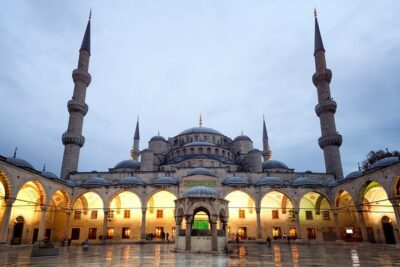
7 Days Best of Turkey Tour: Istanbul-Cappadocia-Ephesus-Pamukkale
Read our review →
7 Days Turkey Tour Package – Highlights of Turkey
Read our review →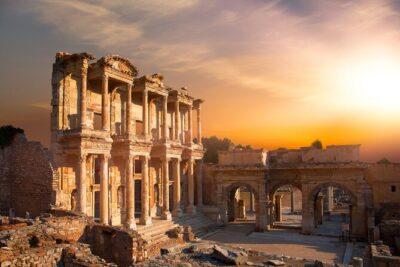
Istanbul, Cappadocia, Pamukkale and Ephesus 7 Day Package
Read our review →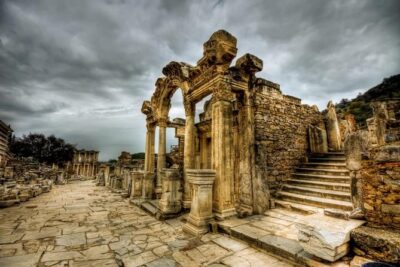
7 Days Highlights of Turkey Tour: Istanbul, Cappadocia, Pamukkale, Ephesus
Read our review →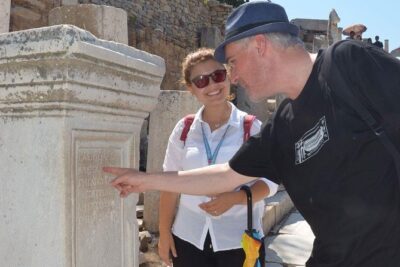
7 Days – Ephesus and Cappadocia Tours from Istanbul
Read our review →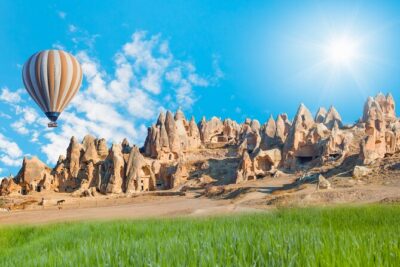
7-Day Turkey Tour from Istanbul: Cappadocia,P.kale, Ephesus, Troy, Gallipoli
Read our review →Browse the lists this tour appears in