
Reviewed · ISTANBUL TURKISH COFFEE WORKSHOPS
Turkish Coffee Trail
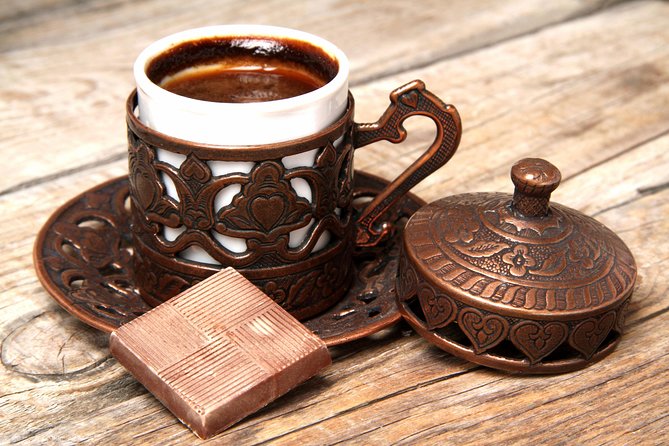
Turkish coffee is more than a strong drink here. It is a small cup of Ottoman history, served thick, unfiltered, and often beside a sweet. This tour follows that story through old coffee shops, market lanes, storage rooms, and a 30-minute coffee-making class using a sand stove and copper pot.
I like the way the experience connects coffee with Istanbul’s streets rather than keeping you in a classroom. I also like the chance to visit places such as Kurukahveci Mehmet Efendi and Hacı Bekir, where coffee and Turkish sweets have long been part of daily life.
The main drawback is price. At $239.65 per person, this is expensive for a three to four-hour outing, especially if you mainly want three small tastings and a quick lesson. It makes better sense if you value the guide, walking route, history, hotel pickup, and personal attention.
Key points to know before booking
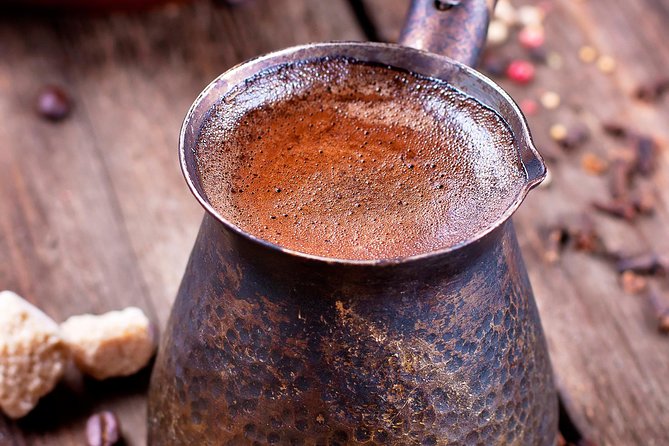
- Coffee is brewed on hot sand: You prepare your cup in a traditional copper vessel over a sand stove, then receive a course certificate.
- The route links coffee with Istanbul’s markets: Expect the Spice Bazaar, old passageways, coffee storage areas, and historic shops around Eminönü.
- You taste coffee in several settings: The tour includes tastings at traditional coffeehouses, with tea often available as an alternative.
- Guides shape the experience: Ilker, Sanem, Tuncer, Diana, Oğuzhan, Serhat, Yasmin, and others have led tours, with strong praise for their stories and flexibility.
- Pickup has limits: Hotel pickup and drop-off apply to centrally located hotels on Istanbul’s European side.
- Group size needs confirmation: The tour is described as small-group, with one section stating a limit of 15 and another giving a maximum of 4.
Why Turkish coffee makes a good Istanbul walking tour
Turkish coffee gives you a useful way to read the city. The drink arrived in Istanbul from Egypt in 1519, during the Ottoman period, and coffeehouses appeared in Eminönü about 30 years later. That early popularity did not always sit well with Ottoman rulers. Some sultans issued orders against coffee, adding a pleasing bit of tension to the drink’s story.
You do not need to be a coffee expert to enjoy the subject. The appeal is partly social. Coffee shops became places to meet, talk, exchange news, and watch city life. On this outing, you see how that culture fits into the narrow streets, market passages, and old commercial buildings near the Spice Bazaar and Grand Bazaar.
I especially like this approach for a first afternoon in Istanbul. The route gives you a quick sense of the historic center while showing you places you could easily miss on your own. It is not just a succession of famous monuments. Instead, coffee leads you into working market streets and small local cafés.
The tour runs for about three to four hours and begins at 1:30 p.m. That timing works well if you want a slower afternoon after visiting major sights in the morning. It also means you should not treat this as a full substitute for a dedicated Old City sightseeing tour. The coffee route offers history along the way, but coffee remains the main subject.
More Turkish Coffee Workshops:
- Istanbul: Turkish Coffee Making and Fortune Telling Workshop
★ 4.9 · 1,308 reviews - Istanbul: Turkish Coffee Making and Fortune Telling Workshop
★ 4.9 · 451 reviews - Turkish Coffee on Sand Workshop: Fortune Telling & Gift Set
★ 5.0 · 309 reviews
Meeting at the German Fountain
The listed meeting point is the German Fountain near Sultanahmet, at At Meydanı. This is a practical place to begin because it sits close to several central sights, including the historic Hippodrome area. If you are staying on the European side, pickup may be available from your hotel instead.
The pickup details are limited to centrally located European-side hotels. Asian-side hotels and hotels outside the stated central area are not included in that arrangement. Confirm the pickup point when booking, especially since the information also says the activity ends back at the meeting point.
The group size is worth checking before you pay. The experience is advertised as a small-group tour limited to 15 people, while the additional information gives a maximum of four. Those are very different experiences. A four-person walk can feel almost private, while 15 people may make narrow passages and small cafés less easy.
Past departures have sometimes been private simply because only one or two people booked. That can work in your favor. A guide may adjust the route, answer more questions, or add an extra stop, as Oğuzhan did for one solo participant. You should not count on a private tour, but the possibility is part of the appeal.
Following the coffee route through Eminönü
The walking portion begins with Istanbul’s early coffee story and then moves through the coffee passages around Eminönü. This is the most atmospheric part of the tour. You pass through small lanes, old walkways, market corridors, and shops where coffee is still treated as a daily ritual rather than a fashionable product.
The guide’s storytelling matters here. Strong guides such as Ilker, Sanem, Tuncer, and Diana have been praised for making the city’s past easy to follow. Tuncer, in particular, was appreciated for mixing local history, jokes, and useful explanations. Sanem has been noted for connecting coffee, Turkish delight, and personal stories about Istanbul.
You will hear about the old coffeehouses and the periods when coffee was restricted by Ottoman rulers. The subject is not presented as a formal lecture. It unfolds while you walk, which keeps the pace pleasant and gives the history a physical setting.
Do not expect a polished museum route. The pleasure comes from the ordinary details: a narrow passage, a coffee counter, sacks of beans, an old shopfront, or a small café where people are drinking and talking. The streets can be crowded and uneven, and the tour involves walking through market areas. Comfortable shoes are sensible.
Tasting coffee in traditional shops
Several coffee tastings are included along the route. One description refers to three types of Turkish coffee, while other details describe tastings at a few historic coffeehouses. The exact shops and number of cups may vary, so you should think of this as a guided sampling walk rather than a formal coffee flight.
Turkish coffee is prepared very finely and boiled in a small pot. The grounds remain in the cup, so you sip carefully and stop before reaching the sediment at the bottom. The coffee is thick and powerful, and the caffeine adds up quickly when you sample several cups within a few hours.
That warning is practical, not dramatic. Coffee-sensitive people may feel jittery after three servings. Tea is available at many of the stops, and one person who does not drink coffee still enjoyed the tour by choosing chai. Ask your guide about smaller portions or tea if you know caffeine affects you.
The tasting stops are valuable because they show coffee as part of social life. You are not only comparing flavor. You are seeing how coffee is served, what sweets accompany it, and how local cafés differ from the grander shops aimed at shoppers. The guide may also explain coffee presentation and the customs surrounding the cup.
The main criticism is value. If you judge the tour only by the amount of coffee, the cost can feel high. You are paying for the route, the instruction, transportation where applicable, and the guide’s time, not for a large quantity of drink.
A different side of Istanbul on the same trip:
- Istanbul: Bosphorus Dinner Cruise & Show with Private Table
★ 4.8 · 44,561 reviews - Istanbul: Daytime or Sunset Sightseeing Cruise & Audio Guide
★ 4.8 · 14,430 reviews - Istanbul: Bosphorus Dinner Cruise with Turkish Night Show
★ 4.8 · 10,127 reviews - Best of Istanbul 1, 2 or 3-Day Private Guided Istanbul Tour
★ 5.0 · 8,922 reviews
Hacı Bekir and the sweet side of coffee
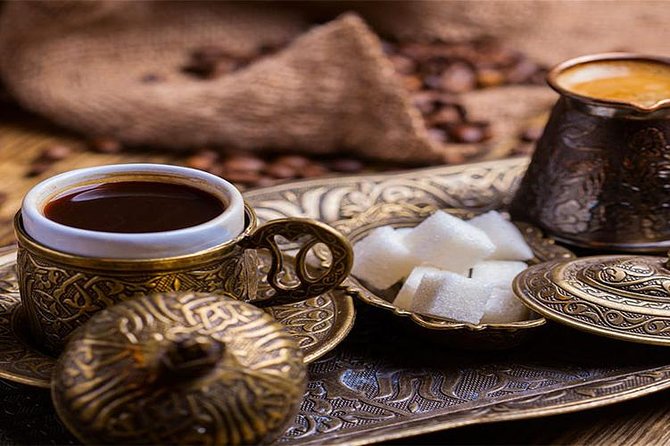
The route includes Hacı Bekir, a confectioner associated with Turkish delight and hard candy. This stop gives the coffee experience a useful partner. Turkish coffee is commonly served with something sweet, and the contrast between a bitter, heavy drink and a soft piece of lokum makes sense once you try them together.
The visit is not described as a full confectionery workshop. Treat it as a chance to see a traditional sweet shop and choose something to pair with coffee. If you want to take Turkish delight home, this is also a practical moment to ask the guide what keeps well and what is best eaten soon.
The combination helps the tour avoid becoming a narrow lesson about beans and brewing. You see how coffee fits into hospitality, gifting, conversation, and the market economy around it. That wider context is one reason the outing can work for people in a mixed group, including someone who prefers tea.
The Spice Bazaar and Ottoman coffee storage
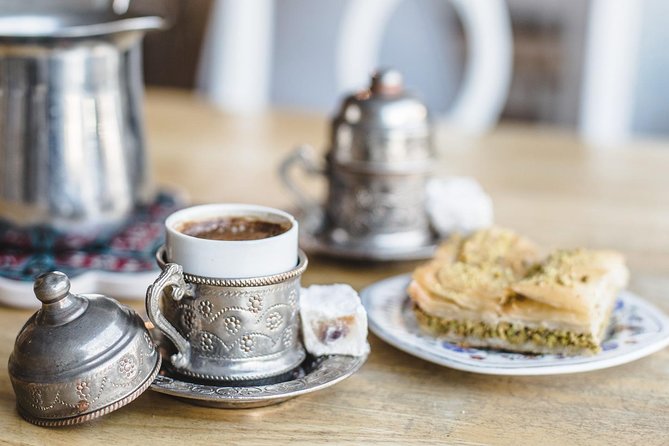
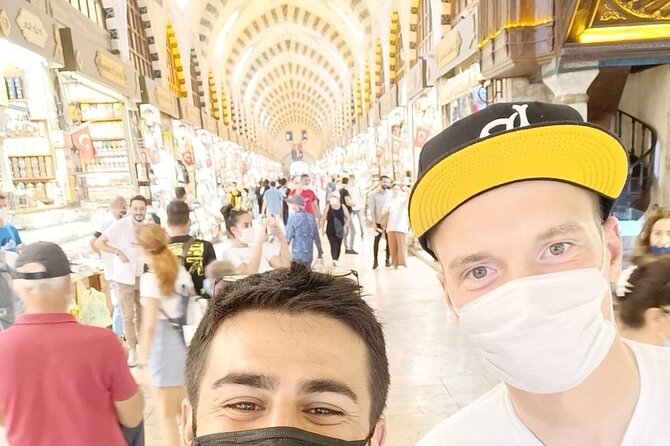
The route continues into the Spice Bazaar, one of the most useful places in Istanbul for understanding how food products move through the city. Here you can see coffee, spices, sweets, and other goods sold in close quarters. The guide explains how coffee was stored during the Ottoman period and points out details you might walk past alone.
The bazaar can be crowded and highly commercial. That is part of the setting, but it can also make a careful conversation harder. Keep your expectations realistic: this is a short guided visit, not a full shopping tour or a detailed survey of every spice stall.
You may find the coffee-buying advice especially useful. One participant used the visit to find a good place to buy coffee and take some home. If you want to purchase beans, ask the guide how to prepare them in your own kitchen, since Turkish coffee requires a very fine grind.
Kurukahveci Mehmet Efendi and the working coffee trade
A highlight for many people is the visit to Kurukahveci Mehmet Efendi, one of Istanbul’s oldest coffee businesses. The stop shows the commercial side of coffee, including the way beans are ground and sold. It also gives the route a clear link between Ottoman coffee culture and the drink you can buy today.
The shop can be busy. One account describes bypassing a long line to see the operation, but you should not assume that will happen every time. The visit may be brief, and the focus is on seeing the business and understanding its place in Istanbul’s coffee culture.
This is a better stop for someone curious about the complete path from bean to cup than for someone looking only for a quiet café. You see the product in motion, from storage and grinding to preparation and presentation.
Brewing your own cup on a sand stove
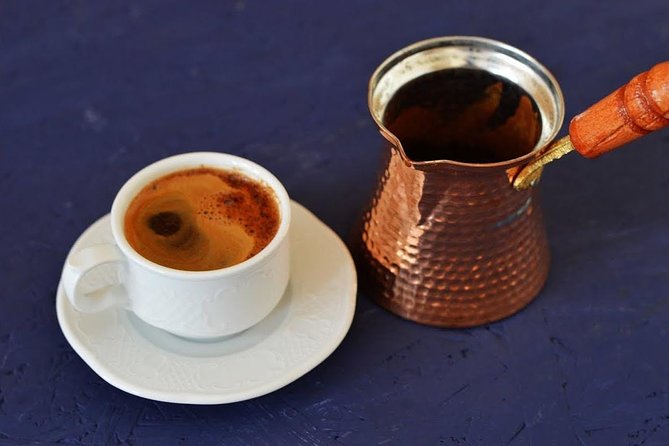
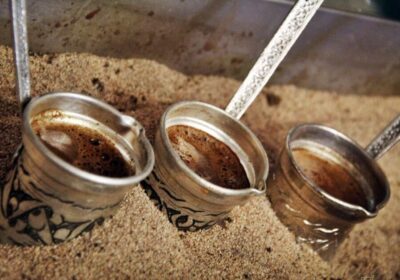
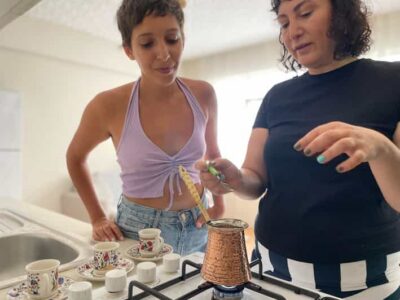
The final hands-on section is the clearest feature of the tour. During a 30-minute class, you prepare Turkish coffee in a traditional copper vessel and heat it over a sand stove. The sand provides steady heat while the coffee warms over a small flame.
You learn by doing, not just by watching. The coffee is heated until it becomes frothy, then served for drinking. The result is a small cup with a full body and grounds at the bottom. It is a simple method, but it requires attention because the coffee can rise quickly.
This class is likely to appeal to home coffee makers, baristas, and anyone who enjoys picking up a practical skill while sightseeing. It also gives the tour a satisfying finish. Instead of ending with one more explanation, you make the drink yourself.
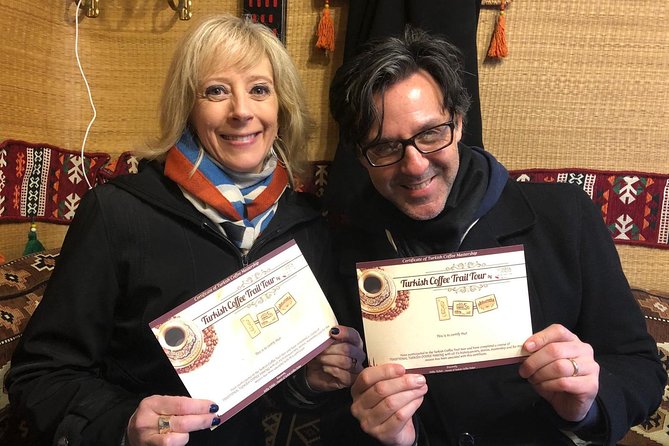
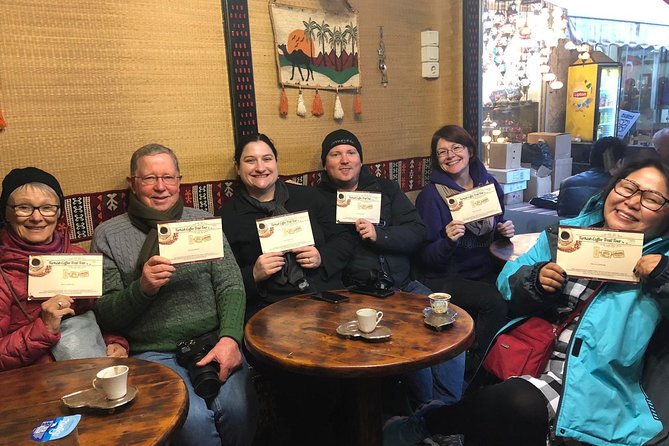
A certificate is provided at the end of the class. It is a modest souvenir rather than a professional qualification, but it adds a fun sense of completion. You can take home the method, the certificate, and perhaps a bag of finely ground coffee from the bazaar.
Guides, pace, and the human side of the tour
The guide can make a large difference. Ilker has been praised for local knowledge and enthusiasm. Sanem is noted for making coffee culture feel personal and for handling the tour after long journeys. Tuncer is known for history, jokes, and clear answers. Diana has been appreciated for finding places that are difficult to locate alone.
Other named guides include Oğuzhan, Serhat, Yasmin, and Luffing. The reports about these guides describe friendly conversation, flexibility, and extra context about Istanbul beyond coffee. You may receive a different guide, but the range of names suggests the experience depends heavily on the individual leading your walk.
The pace is generally a meandering afternoon walk rather than a rushed checklist. One late start did not lead to a shortened route, and guides have adjusted the experience when only one person booked. That flexibility is useful, though it may also mean the exact sequence changes.
There was also a serious complaint about a guide’s attitude toward women and about an unsuitable restroom stop. That concern should not be ignored. The provider’s response focused on the private nature of that departure but did not directly address the conduct described. If respectful, inclusive guiding is especially important to you, confirm the guide and raise any needs before departure.
Is $239.65 a fair price?
At $239.65 per person, this is a premium experience. The included elements are a professional guide, Turkish coffee, hotel pickup and drop-off for eligible European-side hotels, the walking route, tastings, and the coffee-making course with certificate.
The price is easier to justify if you are staying in central Istanbul, want a small group, and value a guide who can connect coffee with the Spice Bazaar, Grand Bazaar area, Ottoman history, Turkish sweets, and local cafés. It is harder to justify if you can explore the markets on your own and mainly want a cup of coffee and a short lesson.
I would compare it with the cost of booking a simple coffee workshop separately, then decide how much the walking tour and transportation are worth to you. This experience’s real product is access and interpretation. You are paying to be led through places you may not find alone and to have the history explained as you go.
Free cancellation is available up to 24 hours before the start time. Changes or cancellations inside that window are not accepted for a refund. The tour is near public transportation, and most people can participate, but the route through market lanes should be considered if walking for several hours is difficult.
Who should book the Turkish Coffee Trail?
Book it if you like coffee, local food customs, markets, and stories that connect everyday life with Ottoman history. It is also a smart choice for a first afternoon in Istanbul because it combines a gentle orientation walk with a distinct cultural activity.
The tour suits solo participants and couples particularly well when the group is small. It can also work for a mixed group because tea is available at many stops and one non-coffee drinker enjoyed the history, cafés, and class.
Skip it if you want a cheap coffee tasting, a major sightseeing tour, or a guaranteed private experience. You should also think twice if strong caffeine is a problem or if you dislike crowded market streets.
For the best value, confirm three details before booking: the final group size, your exact pickup arrangement, and how many coffee servings are planned. If those points work for you, this is a memorable way to see Istanbul through a cup that is small, strong, and tied closely to the city’s social life.
FAQ
How long does the Turkish Coffee Trail last?
The experience lasts approximately three to four hours.
What time does the tour begin?
The listed start time is 1:30 p.m.
Where does the tour start?
The meeting point is the German Fountain near Sultanahmet, at Binbirdirek, At Meydanı Cd, in Istanbul’s Fatih district.
Is hotel pickup included?
Hotel pickup and drop-off are included for centrally located hotels on the European side of Istanbul.
Is the tour offered in English?
Yes. The tour is offered in English.
How many people can join the tour?
The experience is described as a small-group tour limited to 15 people, while the additional information gives a maximum of four. Confirm the final group size when booking.
What is included in the price?
The price includes a professional guide, Turkish coffee, and hotel pickup and drop-off when the hotel meets the stated European-side location requirement.
Do I make Turkish coffee myself?
Yes. The tour includes a 30-minute Turkish coffee-making class using a traditional copper vessel and a sand stove.
Do I receive anything after the coffee class?
Yes. You receive a course certificate after completing the coffee-making workshop.
Can I drink tea instead of coffee?
Tea is available at many of the tasting stops, and the experience has been enjoyed by someone who chose chai instead of coffee.
Can most people participate?
The activity information says most people can participate and that it is near public transportation. It includes walking through market streets and historic passages.
What is the cancellation policy?
You can cancel up to 24 hours before the start time for a full refund. Cancellations or changes made less than 24 hours before the start time are not accepted for a refund.
Recently added in Istanbul
- Two (2) Days Istanbul Old City and Two Continents Walking Tour★ 5.0 · 6 reviews
- istanbul old city private tour★ 5.0 · 19 reviews
- Private Guided Tour: Discovering Istanbul★ 4.5 · 9 reviews
- Best Of İstanbul Europe Side In One Day★ 5.0 · 10 reviews
- Istanbul Airport (IST) To Hotels Transfer★ 5.0 · 80 reviews
- 2 Days Cappadocia Tour from Istanbul with Optional Balloon★ 5.0 · 10 reviews
- Hagia Sophia Private Skip The Ticket line guided Tour★ 4.5 · 17 reviews
- historical peninsula walking tour★ 5.0 · 6 reviews
Istanbul Turkish Coffee Workshops, compared.
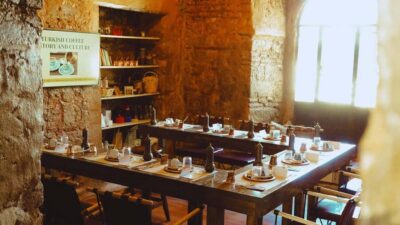
Turkish Coffee Making and Fortune Telling Workshop
Read our review →Turkish Coffee Making and Fortune Telling Workshop
Read our review →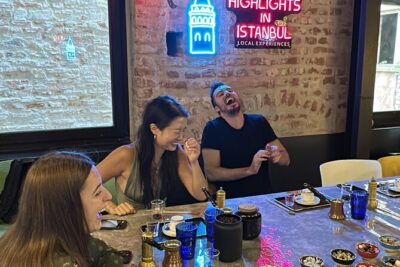
Turkish Coffee on Sand Workshop: Fortune Telling & Gift Set
Read our review →
Istanbul Turkish Coffee Making & Fortune Telling Workshop
Read our review →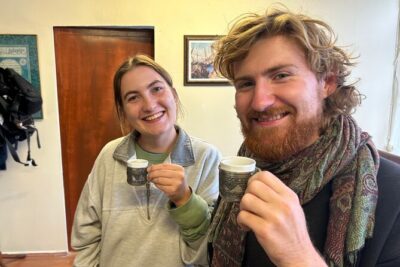
Turkish Coffee on Sand and Fortune-Telling Workshop by Gentlemen
Read our review →
Home Style Turkish Coffee Making and Fortune Telling
Read our review →Browse the lists this tour appears in