
Reviewed · ISTANBUL TURKISH COFFEE WORKSHOPS
Istanbul: Guided Shopping Trip with Turkish Coffee Tasting
Istanbul’s best shopping lesson happens on foot, among the tiled lanes of the Grand Bazaar and the fragrant stalls of the Spice Bazaar. This private outing pairs those famous markets with carpet and ceramic showrooms, so you see both the lively retail streets and the more polished side of Turkish crafts.
I like the personal pace, especially since guides such as Eylem, Ayhan, Taha, Perihan, and Billura have adjusted visits around individual interests. I also like the small food stops: Turkish coffee, tea, cake, baklava, and Turkish delight make the shopping feel social rather than rushed.
The main caution is simple: this is a shopping tour, and some showroom visits can include a firm sales pitch. You are not required to buy, but the atmosphere may feel less relaxed if you dislike haggling or being encouraged to consider a carpet or ceramic piece.
Key points at a glance
- Private attention for up to 14 people: The price is $114 per group, not per person, which can be good value for a family or small group.
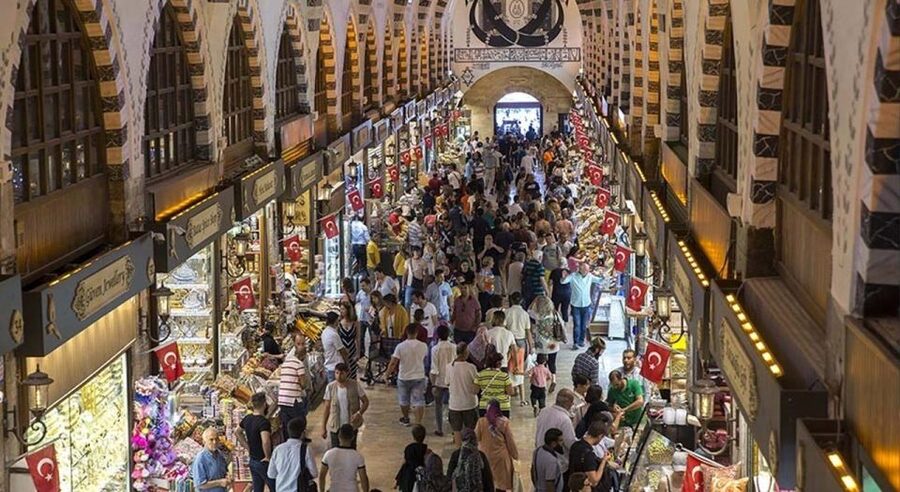
- Grand Bazaar and Spice Bazaar: You get both the huge covered market and the more scent-driven food market.
- Shopping matched to your interests: Guides have helped people find lamps, handbags, carpets, ceramics, jewelry, and Turkish delights.
- Craft demonstrations with context: Ceramic and carpet stops add explanations that you would likely miss while shopping alone.
- Turkish coffee and local treats: Coffee, tea, cake, baklava, and Turkish delight form part of the cultural side of the afternoon.
- Bring patience for salesmanship: The showrooms can be useful and educational, but they are also places where sellers hope to make a sale.
Starting in Sultanahmet with a local guide
You meet in front of Eresin Hotel Sultanahmet, in Istanbul’s old city. That location puts you close to the main sights and makes the tour easy to pair with a morning at Hagia Sophia, the Blue Mosque, or Topkapi Palace, although your shopping route itself focuses on markets and workshops.
The activity is advertised as four hours, while the included private guide service is described as five to six hours. Confirm the exact timing when you book, since the route and the pace may affect the final length. You should also plan to arrive ready for a lot of walking, standing, browsing, and short pauses.
The guide speaks English and leads a private group. That matters here. In a large market, a guide can explain what you are seeing, help you compare quality, and take you to a shop suited to your interests instead of leaving you to wander through hundreds of similar-looking displays.
Past participants have had different guides, including Eylem, Ayhan, Taha, Perihan, Hasan, Turan, Billura, and Seyma. The strongest pattern is personal attention. Guides have slowed down for one person, changed a coffee stop to tea and cake, helped with postcards, offered restaurant advice, and walked people toward a known dinner location after the scheduled portion ended.
Those extras are not guaranteed, so treat them as examples of the tour’s flexible style rather than promised inclusions. The confirmed inclusions are a private guide, Turkish tea and coffee, and Turkish delight tasting.
More Turkish Coffee Workshops:
- Istanbul: Turkish Coffee Making and Fortune Telling Workshop
★ 4.9 · 1,308 reviews - Istanbul: Turkish Coffee Making and Fortune Telling Workshop
★ 4.9 · 451 reviews - Turkish Coffee on Sand Workshop: Fortune Telling & Gift Set
★ 5.0 · 309 reviews
Finding your way through the Grand Bazaar
The Grand Bazaar is the main shopping lesson. Its covered lanes can feel confusing at first, with carpets, leather goods, lamps, jewelry, ceramics, textiles, and souvenirs spread across a large network of streets. A local guide helps turn that visual overload into a set of choices.
The value is not simply finding a shop. It is learning how local shopping works: how sellers present goods, how bargaining fits into the exchange, and how to separate a well-made item from something produced mainly for quick tourist sales. Guides have taken people to selected stores for bags, lamps, carpets, and other items rather than letting them lose time at every doorway.
You might spend part of the visit looking and part of it actually comparing products. Some shops offer tea, coffee, or small snacks while you browse. That hospitality is pleasant, but remember that it can also create pressure to buy. Accepting a drink does not obligate you to purchase anything.
If you want to buy, decide your budget before entering a showroom. It helps to say clearly what you want, what materials or quality level matter to you, and what price range you can handle. If you are only looking, say so politely at the beginning. A good guide can help keep the conversation comfortable.
The Grand Bazaar is also a place for details rather than a quick checklist. Look at the workmanship, ask where an item was made, and compare several examples before reaching for your wallet. The guide’s role is most useful when you treat the outing as a lesson in local shopping, not simply a hunt for the lowest price.
The Spice Bazaar, where the visit turns fragrant
The Spice Bazaar offers a different mood from the Grand Bazaar. Here, color and scent do much of the work. Dried spices, sweets, teas, and food gifts give you a clearer sense of the everyday side of Turkish shopping.
Turkish delight is part of the tasting, and it can also become a practical purchase. One participant bought sweets to take home and had them vacuum sealed so they would stay fresh during the journey. That is the kind of small service worth asking about if you plan to carry food home.
The market is a good place to ask questions before buying. You can compare flavors, check how items are packaged, and decide if a product is better for immediate eating or for a suitcase. The guide can also point you toward foods and goods that fit your plans, though the exact shops visited can vary.
A coffee stop adds another layer. Turkish coffee is not just a caffeine break. It is prepared and served as part of a social custom, and the tasting gives your guide a natural opening to explain local habits. Tea may be substituted when needed, and one guide changed the planned coffee stop to tea and cake for a participant who preferred it.
Ceramics, tiles, and a chance to make something
The ceramic and tile stop gives the tour a hands-on turn. Turkey is well known for decorative tile work, and a showroom visit lets you examine patterns, colors, shapes, and finishes at close range. The point is not only to shop. You get a better idea of the skill involved in making the objects.
One person was able to try a pottery wheel, which made the stop more than a sales presentation. Do not assume that every departure includes this activity, but it shows the kind of practical touch that may be possible when the guide has room to adjust the pace.
Ceramics are easy to misjudge when you are seeing many pieces at once. Look for consistency in the pattern, the finish, and the overall construction. Ask about packing and shipping if you are considering a fragile purchase. The provided information does not promise delivery services, so get clear details from the shop before paying.
This is also one of the stops where a sales pitch may be strongest. The showroom staff may be friendly and the products may be beautiful, but you can enjoy the demonstration without buying. If you feel rushed, take a pause and discuss the item privately with your guide.
More Shopping and Bazaar Tours:
- Private Istanbul Shopping in Grand Bazaar with Personal Shopper
★ 5.0 · 68 reviews - Istanbul Aquarium and Aqua Florya Shopping Mall Tour
★ 4.5 · 33 reviews - Istanbul Aquarium and Aqua Florya Independent Shopping Trip
★ 4.0 · 31 reviews - Shopping in Grand Bazaar
★ 4.0 · 28 reviews
Carpet demonstrations and the art of saying no
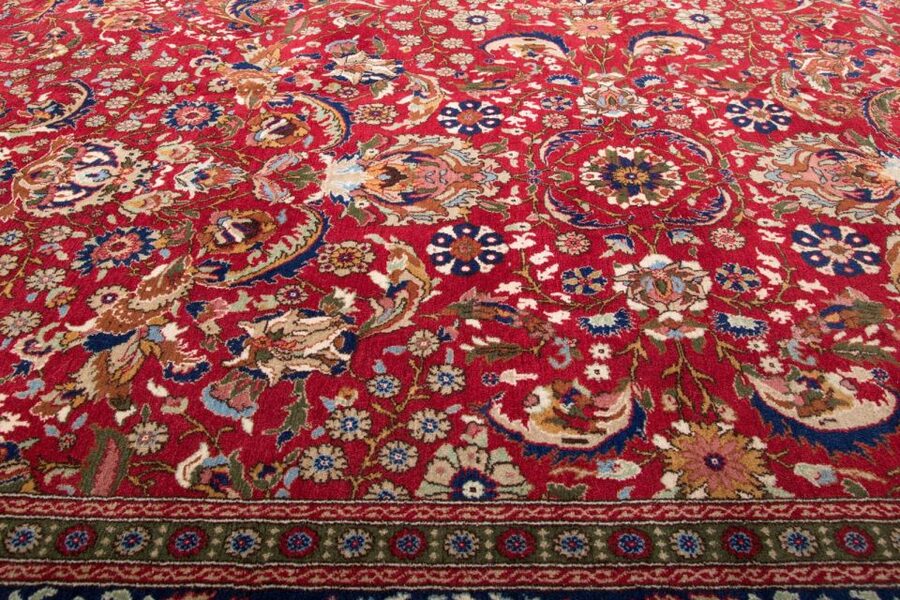
The carpet presentation is the most specialized stop. You can learn about Turkish carpet making, patterns, materials, and the time involved in producing a piece. Even if you have no intention of buying, the demonstration can help you understand why prices vary.
A carpet is a major purchase, so this is the point to be especially careful. Prices are often not posted, and bargaining is part of the process. One person found the carpet presentation interesting but disliked the hard sell. That is a fair warning, not a reason to reject the whole tour.
You should never feel obliged to buy because a guide brought you to a shop. Ask for time, compare sizes and materials, and request the final price in writing if you are seriously considering a purchase. Ask about shipping, returns, customs, and care before committing. Those details are not included in the tour price and must be settled directly with the seller.
The private format can make this easier or harder. You get more individual help, but there is no larger group to diffuse the attention. If you are shopping for a carpet, tell the guide at the start. If you are not, say that clearly and enjoy the craft explanation without treating the stop as a buying appointment.
What the $114 group price really means
At $114 per group of up to 14, the price can be strong value for a family or group of friends. Split among four people, it works out to $28.50 each before any purchases. Split among two people, it is still reasonable if you want a private guide who can shape the route around your interests.
For a solo participant, the value depends more on how much help you want. If you already know Istanbul’s markets and enjoy negotiating alone, you may prefer to explore independently. If you want help identifying products, understanding local customs, or reaching specific shops, the private format has a clearer benefit.
The price covers the guide and Turkish tea, coffee, and delight tasting. It does not cover transportation or lunch. You should budget separately for getting to and from the meeting point, as well as for any food or purchases during the outing.
The tour description gives a four-hour duration, while the guide inclusion says five to six hours. This difference is worth clarifying before you reserve. In practical terms, allow a large part of the day rather than scheduling a tight appointment immediately afterward.
Who will enjoy this shopping walk
I would recommend this to you if you want more than a quick look at the bazaars. It suits first-time visitors who find market shopping intimidating, families that want a flexible pace, and anyone looking for a specific Turkish product.
It is especially useful if you want:
- Help finding lamps, bags, jewelry, carpets, ceramics, or Turkish delights
- A private guide who can adjust the route
- Cultural explanation alongside shopping
- A tasting stop built into the afternoon
- Assistance taking photos or finding a nearby restaurant afterward
It is less suitable if you dislike all sales settings or want a purely historical walking tour. The Grand Bazaar and Spice Bazaar appear in the route, but the purpose is shopping and cultural context, not a full tour of Istanbul’s monuments.
Wheelchair access is listed, though the markets can be crowded and the route includes shopping streets and showrooms. Ask for specific route details before booking if you need a particular level of mobility support.
Practical ways to make the afternoon better
Tell the guide what you want to see before the first shop. The most successful outings have included requests for lamps, handbags, carpets, ceramics, or particular food gifts. A clear wish list gives the guide something useful to work with.
Wear comfortable shoes and leave room in your schedule. You may walk between several stops, spend time standing in showrooms, and pause for tastings. The meeting point is central, but transportation is not included.
Keep your first hour for looking rather than buying. Prices and quality are easier to judge after you have seen several examples. If you find something you like, ask whether the guide can help you compare it with another shop.
Take a photograph of the shop or product details, if permitted. This is useful when you want to think before buying. Guides have also helped solo participants take photographs during the outing, which is a thoughtful bonus if you are exploring alone.
Finally, enjoy the social side of the markets. Sit for the coffee or tea, try the sweets, and ask why a pattern, preparation, or custom matters. You will get more from the afternoon if you treat it as a window into Turkish commerce and hospitality, not just a purchasing errand.
Should you book this Istanbul shopping tour?
Book it if you want a private, flexible introduction to Istanbul’s markets and you value help with choosing local goods. The strongest reasons are the personal guide, the mix of major bazaars and craft showrooms, and the chance to shape the outing around your own shopping list.
Think twice if you want no sales pressure at all, or if your main goal is monuments and formal sightseeing. The carpet and ceramic stops can be educational, but they are also commercial visits.
For a couple or family, the group price is attractive. For a solo visitor, the decision rests on how much you value local advice and company. Go in with a budget, a clear idea of what you will and will not buy, and enough time to enjoy the tastings. With that approach, this can be a useful and friendly way to get your bearings in Istanbul’s shopping world.
FAQ
Where does the tour meet?
You meet your guide in front of Eresin Hotel Sultanahmet in Istanbul’s old city.
How long does the activity last?
The activity is listed as four hours, while the private guide service is described as five to six hours. Confirm the exact schedule when booking.
Is this a private tour?
Yes. It is offered as a private group activity for up to 14 people.
What language does the guide speak?
The guide speaks English.
Which shopping areas are included?
The route includes the Grand Bazaar, the Spice Bazaar, nearby shopping streets, and visits to ceramic and carpet showrooms.
Are Turkish coffee and tea included?
Yes. Turkish tea and coffee are included, along with Turkish delight tasting.
Is lunch included?
No. Lunch is not included.
Is transportation included?
No. Transportation is not included, so you must arrange your own transport to the meeting point and afterward.
Can I cancel for a full refund?
Yes. You can cancel up to 24 hours in advance for a full refund.
More Food Tours in Istanbul
- Turkish Food Night and Rooftop Experience Istanbul
★ 5.0 · 666 reviews - Istanbul: Guided Food Tour with Ferry Ride and Tastings
★ 4.9 · 600 reviews - Istanbul: Turkish Food Night and Rooftop Experience
★ 5.0 · 569 reviews - Istanbul: Guided Food and Culture Tour
★ 4.9 · 528 reviews
Recently added in Istanbul
- Two (2) Days Istanbul Old City and Two Continents Walking Tour★ 5.0 · 6 reviews
- istanbul old city private tour★ 5.0 · 19 reviews
- Private Guided Tour: Discovering Istanbul★ 4.5 · 9 reviews
- Istanbul Airport (IST) To Hotels Transfer★ 5.0 · 80 reviews
- Best Of İstanbul Europe Side In One Day★ 5.0 · 10 reviews
- 2 Days Cappadocia Tour from Istanbul with Optional Balloon★ 5.0 · 10 reviews
- Hagia Sophia Private Skip The Ticket line guided Tour★ 4.5 · 17 reviews
- historical peninsula walking tour★ 5.0 · 6 reviews
Istanbul Turkish Coffee Workshops, compared.
Turkish Coffee Making and Fortune Telling Workshop
Read our review →Turkish Coffee Making and Fortune Telling Workshop
Read our review →
Turkish Coffee on Sand Workshop: Fortune Telling & Gift Set
Read our review →
Istanbul Turkish Coffee Making & Fortune Telling Workshop
Read our review →
Turkish Coffee on Sand and Fortune-Telling Workshop by Gentlemen
Read our review →
Home Style Turkish Coffee Making and Fortune Telling
Read our review →Browse the lists this tour appears in