
Reviewed · HAGIA SOPHIA TOURS
Istanbul: Whirling Dervish Ceremony next to Hagia Sophia
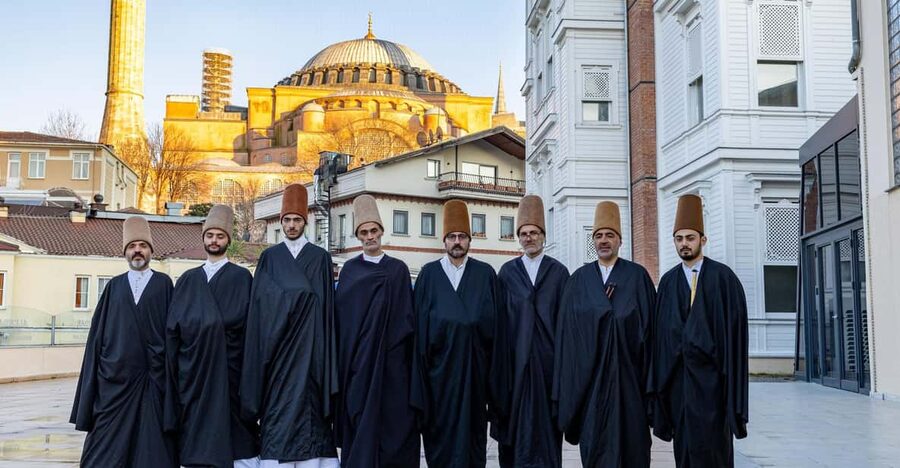
A whirling dervish ceremony is not a stage show with fast spins and applause. It is a quiet Sufi prayer built around music, movement, and surrender, performed in a wooden arts centre just beside Hagia Sophia. I like the serious, unhurried mood and the chance to hear old Turkish music played live. The $17 price is also unusually fair for central Istanbul.
I especially like the short explanation before the ceremony, since it gives meaning to the gestures rather than leaving you to guess. The local drink and the centre’s reported scholarship work add value, too. Just remember that this is a religious ritual, not a dramatic folk performance, and the slow pace and silence will not suit everyone.
Key points at a glance
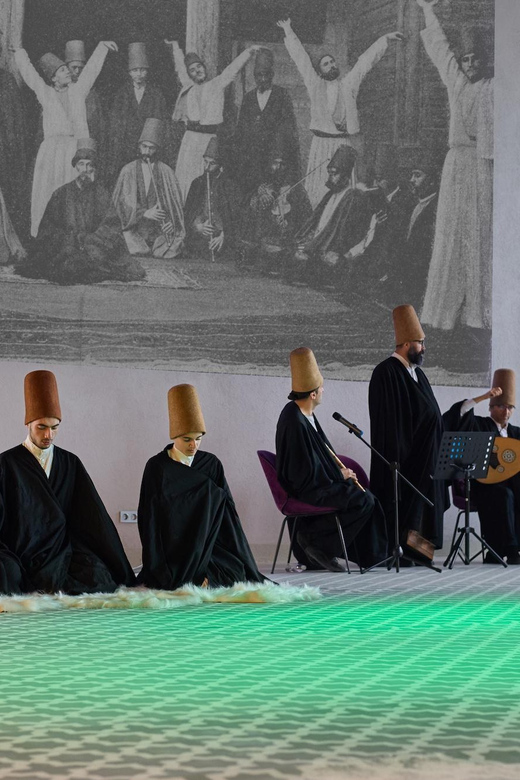
- A real Sema ritual: The ceremony is presented by local Sufi followers, not as a loud stage spectacle.
- Live music from another era: Strings, drums, and ney-style flutes accompany pieces composed from the 1400s through the early 1800s.
- A useful English introduction: The host explains the ceremony before and after it, with time for questions.
- Excellent central location: You meet beside the Basilica Cistern, a short walk from Hagia Sophia.
- Small but thoughtful extras: Tea or sherbet, water, and a digital guide in seven languages are included.
- Good value at $17: It gives you a focused cultural experience without the cost of a full evening performance.
What this ceremony really is
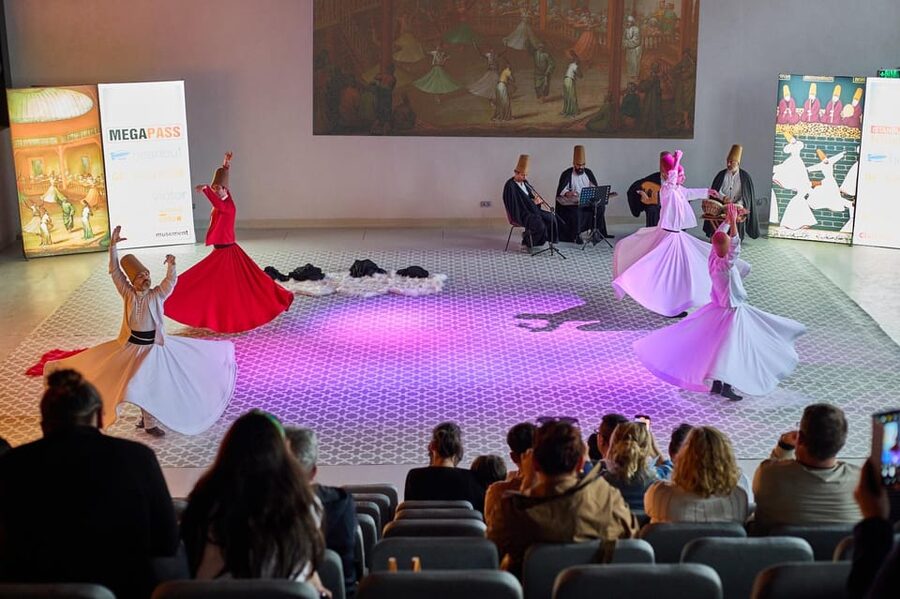
The whirling dervish ceremony, known as Sema, comes from the Sufi tradition associated with the poet and spiritual teacher Rumi. The turning is not simply a dance designed to impress you. It represents a spiritual journey, with the dervish seeking release from the ego and a closer relationship with the divine.
That distinction matters. If you arrive expecting a theatrical show, the quiet opening and repeated movements may feel slow. If you treat it as a religious ceremony with music and symbolic gestures, the hour has a much better chance of making sense.
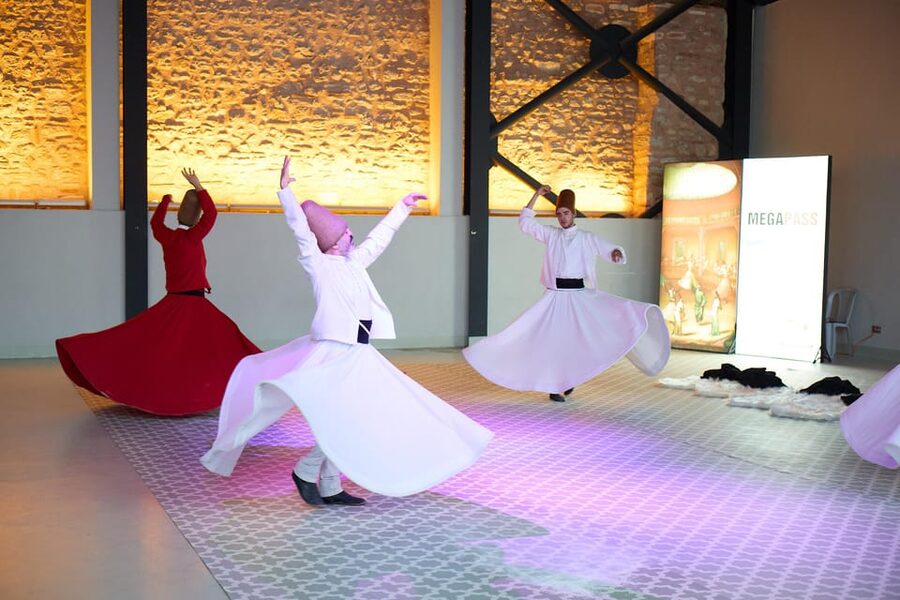
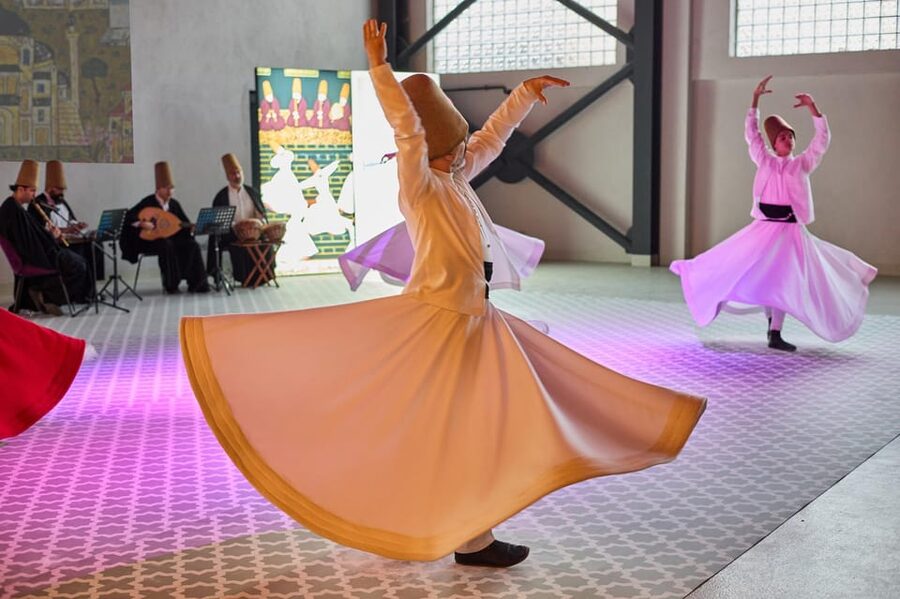
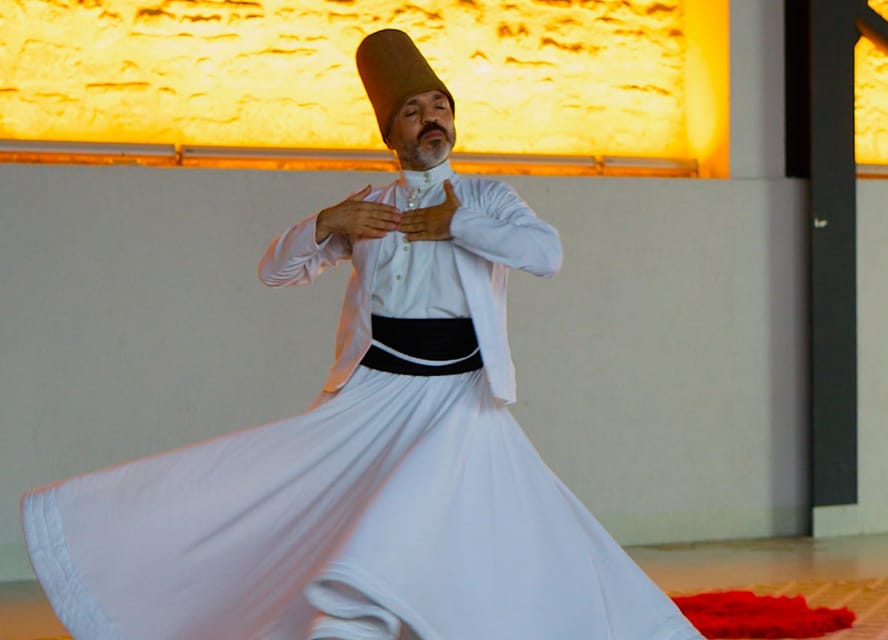
The dervishes’ posture carries meaning. One hand reaches upward while the other points toward the earth, symbolizing receiving divine blessing and passing it on. The steady turning suggests harmony, movement, and unity rather than physical acrobatics.
You do not need to be an expert in Sufism to attend. Still, I would spend a few minutes before arriving learning about Rumi, Shams Tabrizi, and the ney flute. Even a little preparation helps you listen with more patience.
More Ways to See Hagia Sophia:
- Istanbul: Hagia Sophia Skip-the-Line Ticket & Museum Option
★ 3.7 · 4,958 reviews - Istanbul: Blue Mosque & Hagia Sophia Guided Tour w/ Tickets
★ 4.8 · 3,600 reviews - Istanbul: Hagia Sophia Skip-the-Line Ticket and Audio Guide
★ 4.3 · 2,246 reviews
Meeting beside the Basilica Cistern
The meeting point is next to the entrance of the Basilica Cistern. Look for the gate of the large white wooden house, where the reception desk is located. The gate opens 30 minutes before the ceremony, giving you time to find the building and take your seat without rushing.
This location is a real advantage. You can pair the ceremony with Hagia Sophia, the Blue Mosque area, or the Basilica Cistern without losing half a day to transport. The setting also feels more tied to old Istanbul than a modern theater would.
Pay close attention to your map directions. One attendee found that the map link pointed to the wrong side of the road, so do not blindly follow your phone if the building seems missing. Use the Basilica Cistern entrance as your main landmark and look for the white house.
The venue is a traditional wooden building used as an arts centre. Inside, the room is arranged so that every seat has a reasonable view, and the chairs are described as comfortable. It is not a grand concert hall, but the intimate setting suits a ceremony that depends on calm and concentration.
The introduction makes the difference
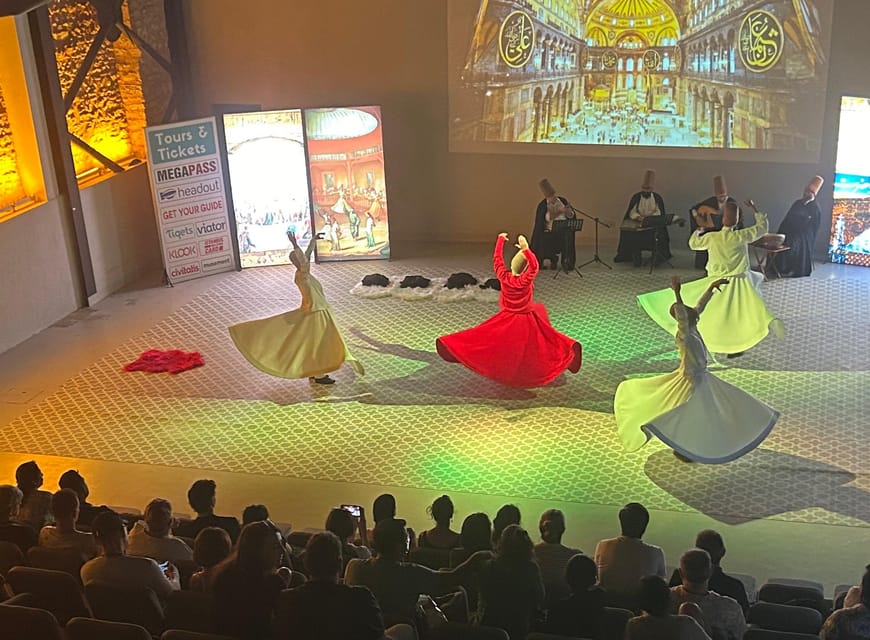
Before the dervishes appear, an English-speaking host gives a short explanation of Sufism and the ceremony. This is one of the most useful parts of the experience. Without it, you could easily mistake the ritual for a stylized dance and miss the purpose behind each motion.
The host explains what you are about to see, the background of the Sema, and the meaning of the gestures. There is also an opportunity to ask questions afterward. Kasl was singled out for being especially helpful with questions and for assisting a wheelchair user, though the name of the host may vary.
The presentation is not a university lecture. It is brief and practical, which is the right choice before a 55-minute program. Some people found that the guide spoke too quickly, and one visitor had trouble hearing the beginning. Sit where you can hear clearly, and do not hesitate to focus on the audio guide if needed.
A digital information guide is available in English, German, French, Italian, Russian, Spanish, and Arabic. It gives you more background than the spoken introduction can cover. I would read some of it before the ceremony rather than trying to handle your phone during the ritual.
Live music before the turning begins
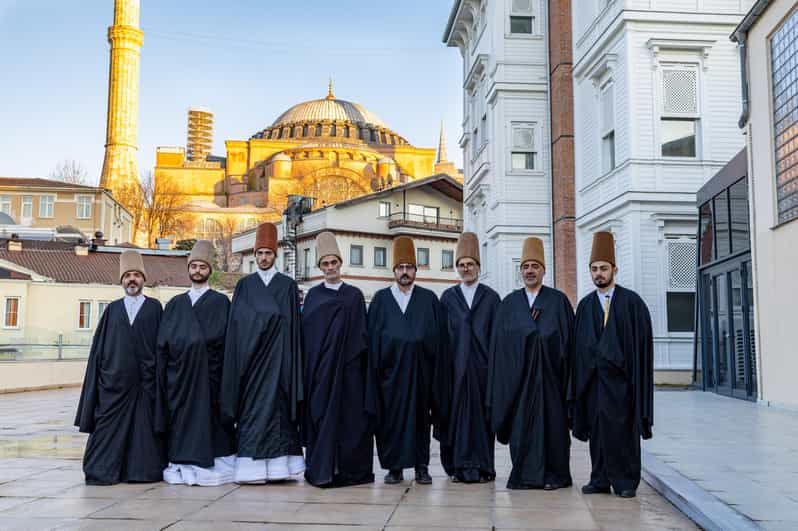
The ceremony begins with instrumental music. Strings, drums, and flutes establish the sound of Sufi music before the dervishes enter. The pieces were composed between the 1400s and early 1800s, so the music connects the ceremony to a much older Istanbul than the modern city outside.
The ney, a traditional reed flute, has a particularly important place in Sufi music. Its breathy sound can feel spare and haunting. You may not understand the words or melodies at first, but the music gives you time to settle into the room.
This is also where the experience differs from a tourist dance performance. The music is not background filler while performers wait for the main event. It is part of the prayer itself. The mood builds through sound, pauses, and repetition rather than through spectacle.
You may see projected or illuminated visual elements in the hall. One attendee found a paint-style video distracting, while another appreciated the meditative art and old images connected with the Sufi movement. Photography is allowed, but bright screens, camera sounds, and frequent filming can pull you out of the moment and disturb the room.
More Whirling Dervish Ceremonies:
- Istanbul: Hodjapasha Whirling Dervishes Show & Exhibition
★ 4.4 · 4,790 reviews - Istanbul: Whirling Dervishes Ceremony and Mevlevi Sema
★ 4.3 · 1,694 reviews - Istanbul Hodjapasha Whirling Dervishes Show & Exhibition
★ 4.0 · 503 reviews - Istanbul Traditional Turkish Dinner and Dervish Experience
★ 5.0 · 490 reviews
Watching the dervishes turn
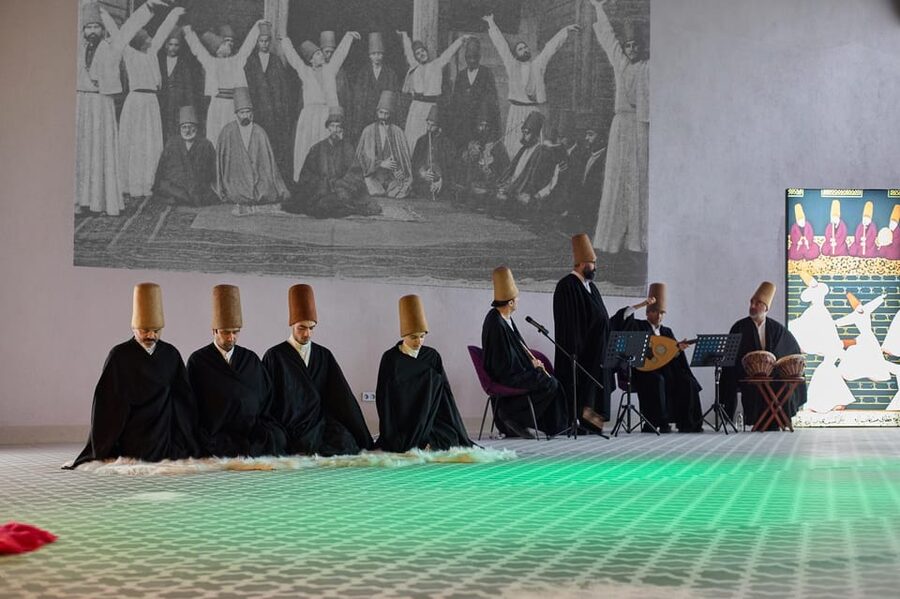
When the prayers begin, the dervishes enter calmly. Their movements gradually become more sustained, following the rhythm of the musicians. The turning is controlled and deliberate, with the dancers maintaining concentration rather than performing for applause.
The effect can be hypnotic, but that does not mean it is designed as entertainment. The ceremony is slow, solemn, and meditative. The silence around the movement is as important as the turning itself.
You should not expect constant action. There are pauses and changes in rhythm, and the ceremony develops gradually. One visitor found it shorter than expected, while another had to leave at the end because the program started late. Allow a little flexibility around the posted time if your evening plans are tight.
Keep your phone away if you can. You are allowed to take photos and video, but recording the whole ceremony may make you notice your screen more than the musicians. A single discreet photo is very different from spending the ritual checking whether your camera is still running.
Silence is required. Please use the restroom before or after the ceremony, since leaving during the ritual can interrupt the atmosphere. Children under two are not permitted, and young children who are unused to quiet religious ceremonies may struggle even if they meet the age requirement.
Why the cultural context matters
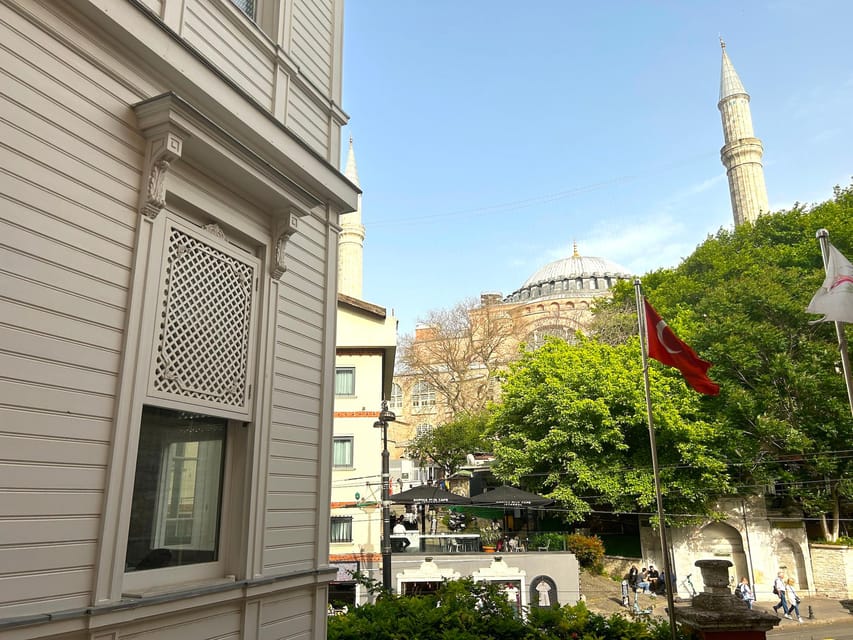
The experience gives you a look at a living Sufi practice rather than only a museum explanation. The performers are described as local followers of the tradition, and some visitors were pleased to learn that they are also local residents, craftsmen, or traders.
That local connection helps explain why the ceremony feels sincere. You are not simply watching a polished export made for an international audience. At the same time, the event is arranged for visitors, with an introduction, an audio guide, and organized seating. It is best understood as a public presentation of a genuine ritual, not as a private religious gathering.
The centre’s educational purpose is another worthwhile detail. Ticket income is used to support scholarships, according to the information given at the venue. That does not change the religious meaning of the ceremony, but it gives your admission a useful community purpose beyond the 55 minutes in the hall.
The post-ceremony explanation helps complete the experience. You can ask about the music, gestures, and Sufi ideas while the details are still fresh. If you want a quiet cultural evening rather than another busy attraction, this closing discussion adds real value.
Tea, sherbet, and the small finishing touch
At the end, you receive water and a local drink, choosing tea or sherbet. It is a modest extra, not a meal, but it fits the setting better than a generic bottled drink would.
Do not arrive expecting dinner or a full beverage service. Food and other drinks are not included. Plan your meal before or after, especially because the ceremony is near a part of Istanbul filled with restaurants and major sights.
The drink also gives you a gentle transition back to the street. After nearly an hour of quiet music and turning, a glass of tea or sherbet makes the end feel less abrupt.
Price, timing, and practical value
At $17 per person, this is one of the more affordable structured cultural experiences in the historic centre. You receive entrance, live music, the ceremony, an English-speaking host, the seven-language digital guide, water, and tea or sherbet.
The value depends on what you want. If you want a long tour with several monuments, this is not it. The program lasts 55 minutes and focuses on one tradition. If you want a meaningful evening stop between major sights, the price is easy to justify.
The strongest value comes from the explanation. A cheaper ticket to a ceremony without context might leave you watching attractive movement without understanding the symbols. Here, the host and digital guide give you a starting point, and the questions afterward let you clear up details.
The booking terms are also flexible. You can cancel up to 24 hours before the start for a full refund, and you can reserve now and pay later. A late change was handled kindly for one attendee even outside the standard terms, but do not count on an exception.
The venue is listed as wheelchair accessible. In practice, access may require staff assistance, so contact the operator in advance if someone in your party uses a wheelchair. The building and seating work well for most people, but the experience is not designed for moving around during the ceremony.
Who will enjoy it most
I would choose this for a first visit to Istanbul if you want something beyond mosques, markets, and archaeological sites. It suits anyone interested in Sufism, Rumi, Turkish music, religious art, or quiet cultural experiences.
It is also a good choice for couples and solo visitors who enjoy a reflective hour. You do not need a religious background, but you should arrive with respect for the ceremony and patience for its slow rhythm.
Families can attend with older children, though the venue does not offer a discounted child price in the information provided. A child who expects a lively dance show may become restless. The ceremony is quiet, and making noise is not allowed.
I would hesitate to recommend it if your main goal is energetic entertainment, a large production, or a translated musical performance. The songs are not translated into English during the ceremony, and understanding the meaning depends on the introduction and your own preparation.
How to get more from the 55 minutes
Arrive early enough to find the white wooden house and settle in. The gate opens 30 minutes before the start, and sitting near the speaker may help if you have difficulty with fast English explanations or uneven sound.
Read about Rumi, Shams Tabrizi, and the ney flute before you go. You do not need a long study session. A basic idea of Sufi devotion and the symbolism of the turning will make the ceremony feel less mysterious.
Use the restroom beforehand, silence your phone, and keep conversation for the discussion afterward. Treat the room as a place of prayer, not a photo stop.
Finally, let the ceremony unfold at its own pace. The turning may seem repetitive if you look for new tricks every minute. Watch the changes in posture, rhythm, music, and concentration instead. That is where the experience gains its force.
Should you book this ceremony?
Book it if you want a sincere, low-cost introduction to Sufi culture in the centre of Istanbul. The live music, thoughtful explanation, historic wooden setting, and local drink make the $17 price especially appealing.
Skip it if you need a fast-moving show or if silence and religious ritual are not your style. For everyone else, this is a compact and respectful way to spend an evening beside Hagia Sophia, with enough context to turn an unfamiliar ceremony into something you can genuinely appreciate.
FAQ
How long does the whirling dervish ceremony last?
The experience lasts 55 minutes.
How much does the ceremony cost?
The listed price is $17 per person.
Where is the meeting point?
Meet next to the entrance of the Basilica Cistern. The reception desk is at the gate of the large white wooden house.
How early does the venue open?
The gate opens 30 minutes before the ceremony starts.
Is an English-speaking guide included?
Yes. A live English-speaking host explains the ceremony before and after it. A digital audio guide is also available in English, German, French, Italian, Russian, Spanish, and Arabic.
Is live music part of the ceremony?
Yes. The ceremony includes live traditional music with instruments such as strings, drums, and flutes.
Are drinks included?
Yes. Water and one local traditional drink, either tea or sherbet, are included. Food and other drinks are not included.
Can I take photos or videos?
Photos and videos are allowed, but silence is important. Avoid using your phone in a way that distracts you or disturbs the ceremony.
Is the venue wheelchair accessible?
The activity is listed as wheelchair accessible. Staff assistance may be needed, so contact the operator ahead of time if you require access support.
Recently added in Istanbul
- Two (2) Days Istanbul Old City and Two Continents Walking Tour★ 5.0 · 6 reviews
- istanbul old city private tour★ 5.0 · 19 reviews
- Private Guided Tour: Discovering Istanbul★ 4.5 · 9 reviews
- Istanbul Airport (IST) To Hotels Transfer★ 5.0 · 80 reviews
- Best Of İstanbul Europe Side In One Day★ 5.0 · 10 reviews
- 2 Days Cappadocia Tour from Istanbul with Optional Balloon★ 5.0 · 10 reviews
- Hagia Sophia Private Skip The Ticket line guided Tour★ 4.5 · 17 reviews
- historical peninsula walking tour★ 5.0 · 6 reviews
Hagia Sophia Tours, compared.
Hagia Sophia Skip-the-Line Ticket & Museum Option
Read our review →
Blue Mosque & Hagia Sophia Guided Tour w/ Tickets
Read our review →
Hagia Sophia Skip-the-Line Ticket and Audio Guide
Read our review →
Blue Mosque, Hagia Sophia, & Basilica Cistern Tour
Read our review →
Hagia Sophia Skip-the-Line Ticket with Audio Tour
Read our review →
Blue Mosque, Basilica Cistern, & Hagia Sophia Tour
Read our review →
Hagia Sophia Skip-the-Ticket Line & Audio Guide
Read our review →Browse the lists this tour appears in