
Reviewed · ISTANBUL WHIRLING DERVISH SHOWS
Whirling Dervish Ceremony: Go on a Spiritual Journey
The most important thing to understand is that this is a religious ceremony, not a theatrical dance show. At Hodjapasha Dance Theater, semazens perform the Mevleviye sema, an 800-year-old Sufi ritual, while musicians play Persian and Turkish pieces on flute, kettledrum, and cymbal.
I like the 15th-century hammam setting and the live orchestra, which give the evening a strong sense of place. I also like the no-photo rule: it keeps phones out of the air and asks you to pay attention. The drawback is simple: an hour of slow, repeated turning can feel peaceful to one person and dull to another.
Key points to know
- A ceremony, not a fast-paced show: The 45-minute sema focuses on prayer, movement, and spiritual symbolism.
- Historic Sirkeci venue: Hodjapasha occupies a former Turkish bath dating from the 15th century.
- Live Turkish and Persian music: The opening concert lasts about 15 minutes before the dervishes begin.
- No photos or video: You must watch without recording, and silence is expected during the ceremony.
- Assigned seating and a 7:00 pm start: Plan extra time to find the entrance in Sirkeci.
- Best for reflective visitors: The experience suits people curious about Sufism more than those seeking entertainment.
Understanding what the whirling means
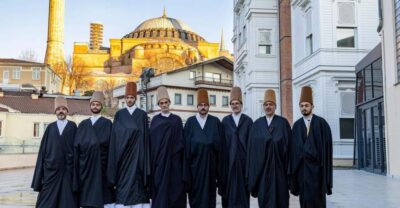
The dervishes are members of the Mevlevi tradition, a Sufi order connected with spiritual poetry, music, and devotion. Their turning is not simply a display of balance or costume. It represents a spiritual journey toward divine love, with the movement, music, and prayers working together.
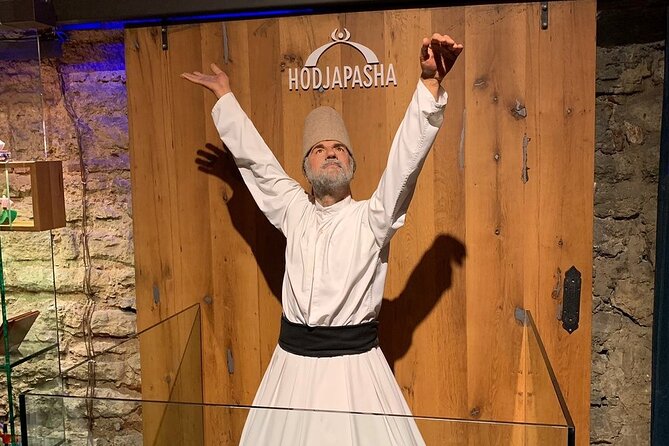
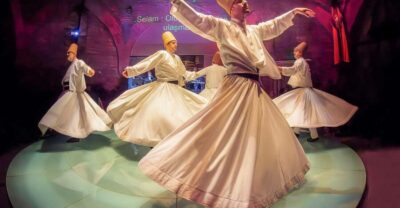
You will see the semazens dressed in white garments, turning in a controlled pattern with one hand raised and the other lowered. The symbolism matters more than athletic spectacle. The ceremony asks you to watch quietly and consider the connection between the human and the divine.
That context can change the entire evening. If you arrive expecting a dramatic stage performance, the ceremony may seem repetitive. If you arrive ready to observe a ritual, the same repetition can feel purposeful and meditative.
The performance is linked to the Mevleviye sema tradition, which is included on UNESCO’s Intangible Cultural Heritage list. That does not make the ceremony automatically enjoyable for everyone, but it explains why the experience has cultural value beyond the movement itself.
More Whirling Dervish Ceremonies:
- Istanbul: Hodjapasha Whirling Dervishes Show & Exhibition
★ 4.4 · 4,790 reviews - Istanbul: Whirling Dervishes Ceremony and Mevlevi Sema
★ 4.3 · 1,694 reviews - Istanbul: Whirling Dervish Ceremony next to Hagia Sophia
★ 4.5 · 906 reviews
Entering the old Hodjapasha theater in Sirkeci
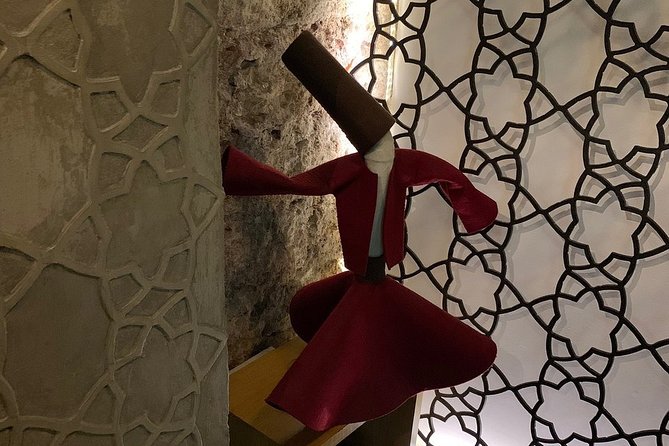
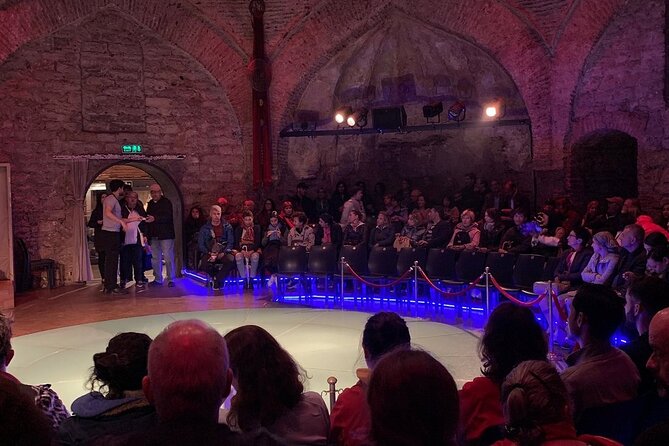
The venue is Hodjapasha Dance Theater in the Sirkeci neighborhood, close to public transportation. The building was originally used as a Turkish bath and dates to the 15th century. Its old stone setting gives the ceremony a more fitting home than a modern concert hall would.
Finding the entrance can take patience. The building sits in a busy central area with several places associated with whirling dervishes, and some taxi drivers may not know the cultural center by name. Use the exact venue name, Hodjapasha Dance Theater, and allow extra time before the 7:00 pm start.
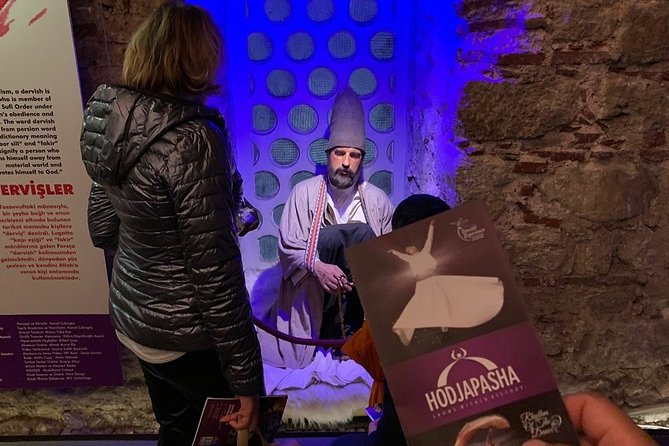
The entrance area may include a small museum or display explaining the ceremony and its development. This is useful because the performance itself may not offer much spoken explanation. Some of the information is projected onto the walls, helping you follow the meaning of the movements.
Seating is assigned. That takes away the need to race for a chair, though it also means you cannot choose your position once inside. One booking experience resulted in front-center seats, but you should not assume that every ticket carries the same view.
The opening 15 minutes of Turkish music
The ceremony begins with about 15 minutes of traditional Turkish music. This portion gives you time to settle into the room and listen before the dancers enter.
The orchestra includes instruments such as the kettledrum, flute, and cymbal. The music is not background decoration. It establishes the mood and carries much of the emotional weight of the evening. Several people have found the musicians just as memorable as the whirling itself.
You may hear Persian prayers and poetic songs alongside classical Turkish music. The sound is restrained and ceremonial rather than loud or showy. If you enjoy traditional music, this opening can be one of the strongest parts of the experience.
There is no need to expect a narrated concert. The evening centers on atmosphere and ritual, not a detailed lecture. If you want more explanation, read about Sufi practice before arriving or spend time with the venue’s displays.
The 45-minute sema ceremony
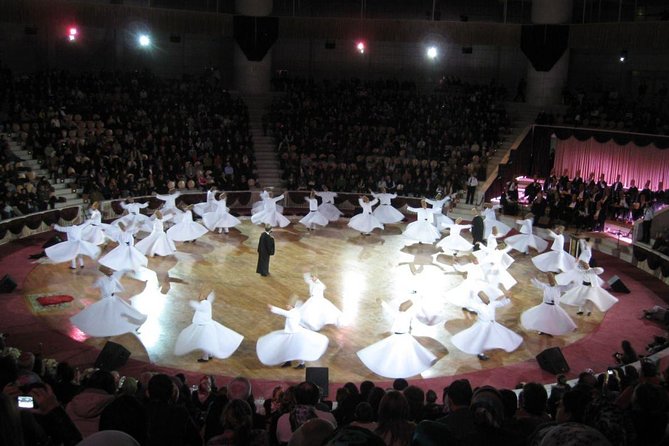
After the music, the semazens perform for roughly 45 minutes. The movement begins in a formal, deliberate way, then settles into repeated turning and gliding across the floor.
The white garments and flowing motion create a striking visual effect. The dervishes spin with great control, and the live musicians give the ceremony a steady pulse. The effect can be hypnotic, especially when you stop looking for changes in pace and begin noticing the discipline of the movement.
Still, this is not a sequence of different dances. The central action remains the same for much of the performance. I would not choose it for a child or adult who needs constant action, comic moments, or a changing stage picture.
Silence is part of the experience. Clapping is not appropriate during the ceremony, and photography and video are prohibited. The restrictions may disappoint anyone hoping to take a dramatic photograph, but they also protect the quiet tone of the ritual.
A few people have found the hour too repetitive and have even dozed off. That is not a sign that the performers lack skill. It reflects the gap between a devotional ceremony and a conventional entertainment program. The ceremony is designed for concentration, not suspense.
A different side of Istanbul on the same trip:
- Istanbul: Bosphorus Dinner Cruise & Show with Private Table
★ 4.8 · 44,561 reviews - Istanbul: Daytime or Sunset Sightseeing Cruise & Audio Guide
★ 4.8 · 14,430 reviews - Istanbul: Bosphorus Dinner Cruise with Turkish Night Show
★ 4.8 · 10,127 reviews - Best of Istanbul 1, 2 or 3-Day Private Guided Istanbul Tour
★ 5.0 · 8,922 reviews
Why the no-photo rule matters
The ban on photography is clearly important here, so prepare for it before you arrive. You cannot take photos or record video during the experience.
I see a practical benefit in this rule. Nobody is holding a phone above their head, and the room is less likely to become a collection of screens. You can watch the dervishes, hear the orchestra, and follow the movement without thinking about getting the perfect image.
At the same time, the restriction should be clear before you pay. A few people have found it disappointing because they expected to document the performance. If a photograph is a major reason for booking, this is not the right choice.
The building itself may give you a chance to admire the old setting before or after the ceremony, but do not count on being able to photograph the performance. Treat the hour as something you experience in the room and remember later.
Snacks, drinks, and the evening plan
The experience information says drinks and Turkish delight may be available for purchase before the ceremony, but the exact refreshments can vary. One evening offered only bottled water rather than a full bar, so I would not plan on a substantial drink or snack service.
That makes dinner planning easy. The ceremony lasts about one hour, beginning at 7:00 pm, and restaurants are available around Sirkeci for a meal afterward. If you want dinner before the performance, leave enough time to reach the theater and locate the entrance without rushing.
The ceremony itself is not a full evening tour. There is no hotel pickup or drop-off, and the booking is for the cultural performance at Hodjapasha. You arrange your own route to and from the venue.
Sirkeci is near public transportation, which helps. Still, the venue can be tricky to locate, especially if you rely on a taxi driver who does not recognize the name. Save the venue details, check the address before leaving, and arrive early.
Is $120.14 good value for one hour?
At $120.14 per person, this is an expensive one-hour activity if you measure value by stage time alone. The performance lasts about 60 minutes, and there is no meal, hotel transfer, or extended guided tour included.
The price makes more sense if you value the setting, the live orchestra, and access to a formal Sufi ceremony in central Istanbul. You are paying for a cultural experience with assigned seating in a historic building, not for a long list of activities.
There is also a practical trade-off. Tickets booked through an online platform may cost more than the venue’s own face value, but they can offer a confirmed reservation and assigned seats. One booking produced excellent front-center seating, though the same person noted that the online price was higher.
I would compare the final online price with the venue’s direct price if you have time. Direct booking may offer combination tickets for other traditional dance performances, while an online booking may be easier to arrange before your trip. Check exactly what your ticket includes before paying.
The free cancellation policy improves the value. You can cancel at least 24 hours before the start time for a full refund. Changes or cancellations made within 24 hours are not accepted for a refund, and local time controls the cutoff.
Who will enjoy this ceremony most?
I would recommend it to you if you have an interest in Sufism, religious ritual, Turkish music, or traditional arts. It is also a good fit if you enjoy quiet experiences that ask you to observe rather than participate.
The ceremony can add historical and cultural meaning to a visit focused on Istanbul’s mosques, palaces, and markets. It offers a different side of the city, one based on spiritual practice rather than architecture or food.
Families can attend as long as children are at least seven years old. That minimum age does not mean every child will enjoy the ceremony. A child who can sit quietly for an hour and understand the need for silence may do well. A child expecting a lively dance show may become restless.
I would think twice if you want a fast, dramatic performance. The dervishes do not perform tricks, interact with the audience, or change the pace like a stage dance company might. The ceremony is intentionally calm and repetitive.
The venue’s temperature and seating may also affect your comfort. Some people have found the room warm, while the stadium-style seating can feel cramped between rows. These are small issues, but they matter during a performance in which you remain seated for the full hour.
How to prepare for a better evening
Read a short explanation of Sufi symbolism before you go. The ceremony has little spoken narration, so basic context will help you understand why the dervishes turn and why the music follows a formal pattern.
Arrive early, even though seating is assigned. The entrance can be difficult to find, and the performance may begin a little later than planned if entry takes time. Early arrival also gives you a chance to look at the old building and any available information displays.
Dress for sitting quietly in an indoor theater. You do not need special clothing, but comfort matters more than fashion during a slow one-hour ceremony.
Turn off your phone and do not plan to take photographs. If you accept the rule before you arrive, you can focus on the music and movement instead of feeling frustrated.
Most important, set the right expectation. This is a window into a spiritual tradition, not a variety show. That single distinction will likely determine whether the $120.14 price feels worthwhile.
Should you book the Hodjapasha ceremony?
Book it if you want a thoughtful introduction to Sufi ceremony, live Turkish music, and one of Istanbul’s distinctive cultural traditions. The old hammam setting, controlled movement, and orchestra create an experience unlike an ordinary dance performance.
Skip it if you need fast action, narration, audience participation, or changing choreography. The ceremony may feel slow, and an hour of repeated turning is a poor match for anyone who finds meditative performance tedious.
For the best chance of a good evening, confirm the exact Hodjapasha address, arrive early for the 7:00 pm start, understand that seats are assigned, and accept the no-photo rule. If those conditions suit you, this can be a meaningful addition to an Istanbul itinerary. If they do not, spend the money on a performance with more variety.
FAQ
How long does the Whirling Dervish Ceremony last?
The experience lasts about one hour. It begins with approximately 15 minutes of traditional Turkish music, followed by about 45 minutes of the Mevleviye sema ceremony.
Where does the ceremony take place?
It takes place at Hodjapasha Dance Theater in Istanbul’s Sirkeci neighborhood. The venue is located in a former 15th-century Turkish bath and is near public transportation.
What time does the ceremony start?
The listed start time is 7:00 pm. Arrive early because the entrance can be difficult to locate.
Are photos and videos allowed?
No. Photography and video recording are not allowed during the ceremony. Silence is expected, and clapping is not considered appropriate during the ritual.
Is hotel pickup included?
No. Hotel pickup and drop-off are not included. You must make your own way to and from Hodjapasha Dance Theater.
Can I cancel for a full refund?
Yes, if you cancel at least 24 hours before the experience start time. Cancellations or changes made less than 24 hours before the start time are not eligible for a refund.
Recently added in Istanbul
- Two (2) Days Istanbul Old City and Two Continents Walking Tour★ 5.0 · 6 reviews
- istanbul old city private tour★ 5.0 · 19 reviews
- Private Guided Tour: Discovering Istanbul★ 4.5 · 9 reviews
- Istanbul Airport (IST) To Hotels Transfer★ 5.0 · 80 reviews
- Best Of İstanbul Europe Side In One Day★ 5.0 · 10 reviews
- 2 Days Cappadocia Tour from Istanbul with Optional Balloon★ 5.0 · 10 reviews
- Hagia Sophia Private Skip The Ticket line guided Tour★ 4.5 · 17 reviews
- historical peninsula walking tour★ 5.0 · 6 reviews
Istanbul Whirling Dervish Shows, compared.
Hodjapasha Whirling Dervishes Show & Exhibition
Read our review →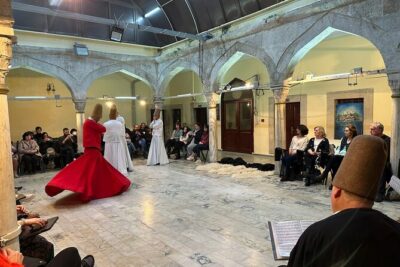
Istanbul Hodjapasha Whirling Dervishes Show & Exhibition
Read our review →
Istanbul Traditional Turkish Dinner and Dervish Experience
Read our review →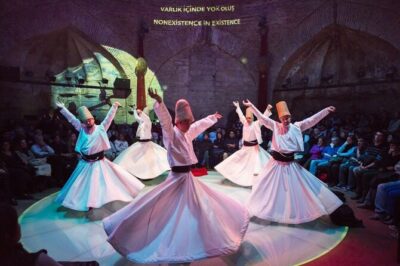
Istanbul Whirling Dervish Ceremony, A Mystical Sufi Experience
Read our review →Traditional Turkish Dinner and Dervish Experience
Read our review →Browse the lists this tour appears in