
Reviewed · ISTANBUL WHIRLING DERVISH SHOWS
Istanbul Whirling Dervish Ceremony, A Mystical Sufi Experience
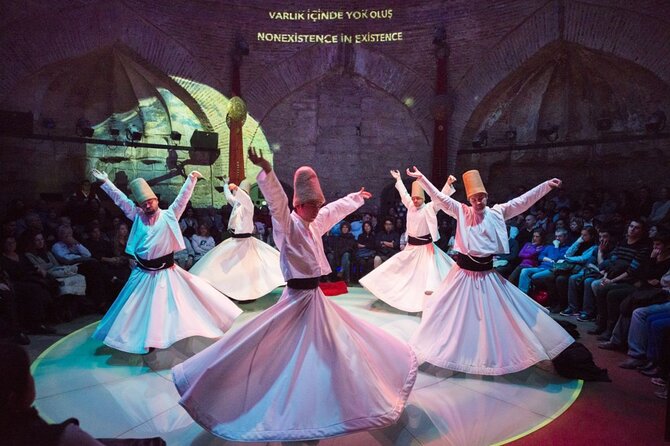
The striking thing here is the quiet, hypnotic ritual of the whirling dervishes. At Istanbul’s Hodjapasha Cultural Center, the Mevlevi Sema ceremony brings together solemn music, chanting, and repeated spinning in a form of Sufi worship preserved by UNESCO as Intangible Cultural Heritage.
I like the central location, which makes this an easy evening or afternoon stop, and I like the chance to learn what the turning means instead of watching it as a puzzling stage act. Arrive early to read the information displays and multilingual booklet.
The main caution is simple: this is a religious and meditative ceremony, not a lively dance show. The hour can feel repetitive if you want constant action, and the price of $42.33 is fair only if cultural insight matters more to you than entertainment.
Key points to know before you book
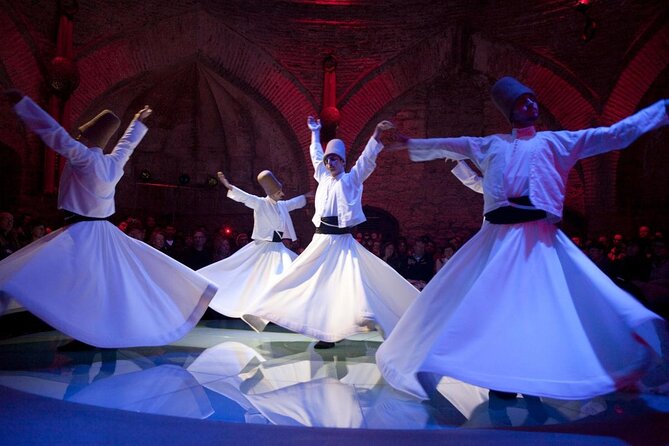
- The ceremony lasts about one hour, with live music, singers, and whirling dervishes.
- Hodjapasha Cultural Center is centrally located and reachable by public transport.
- Arrive early to read the displays and prepare for a quiet, reflective performance.
- The presentation is solemn and repetitive, with the same turning movements repeated several times.
- Photography and video may not be allowed, so do not count on recording the ceremony.
- Children under seven are not admitted, and accessibility information should be confirmed before booking.
What the Mevlevi Sema ceremony actually is
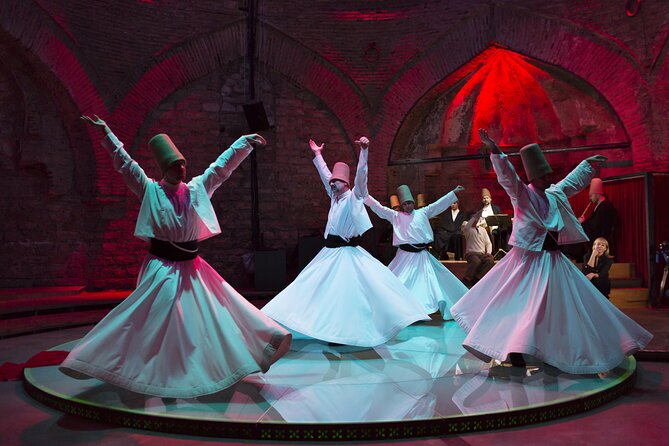
The ceremony you see here is called the Mevlevi Sema. It comes from the Sufi tradition associated with the Mevlevi order and the teachings of the Persian poet and spiritual thinker Rumi.
The famous turning is not meant as a dance in the ordinary sense. The dervishes spin as part of a devotional practice, using movement, music, and concentration to express a spiritual path toward unity. That idea matters because it changes how you watch the performance. If you expect a fast cultural show with dramatic costumes and constant variety, you may leave disappointed.
I suggest sitting quietly and giving the ceremony time to develop. The music may seem restrained at first, and the movements repeat rather than build toward a theatrical climax. Yet that repetition is the point. The performance asks you to slow down and watch closely.
The ceremony is presented for the public in a cultural venue, so it also has a staged quality. That can raise a fair question about how religious the event is in practice. Still, the presentation is rooted in a real Sufi tradition, and the spiritual meaning is explained through the material provided before the performance.
More Whirling Dervish Ceremonies:
- Istanbul: Hodjapasha Whirling Dervishes Show & Exhibition
★ 4.4 · 4,790 reviews - Istanbul: Whirling Dervishes Ceremony and Mevlevi Sema
★ 4.3 · 1,694 reviews - Istanbul: Whirling Dervish Ceremony next to Hagia Sophia
★ 4.5 · 906 reviews
Inside Hodjapasha Cultural Center
Hodjapasha is the only stop on this experience, but you should allow extra time around the one-hour ceremony. The venue is in central Istanbul and can be reached by public transport, which is useful if you are staying around Sultanahmet, Eminönü, or the nearby historic districts.
Finding the entrance may take more effort than expected. Clearer directions would help, and one practical detail is that tickets may need to be collected at the box office on an upper floor even if you booked online. Arriving a few minutes early gives you time to locate the venue, collect your ticket, and settle in without rushing.
The building itself adds atmosphere, though this is not primarily a tour of the historic structure. You will see some of the venue, but the main focus is the ceremony. If you are hoping to explore a large museum or historic complex, this will feel limited.
Before the performance, look for the information panels and projected material about the dervishes. The explanations cover the ideas behind the ritual and help make sense of Rumi’s philosophy. The multilingual booklet is useful if you want to read at your own pace rather than rely only on what is shown in the room.
What happens during the hour
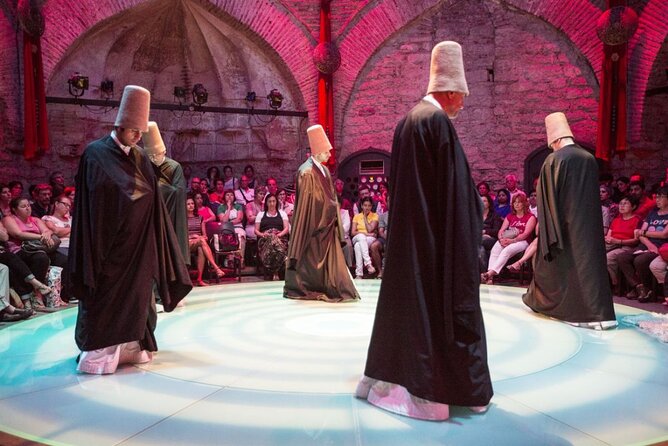
The performance combines several elements:
- Whirling dervishes performing the Sema ritual
- A live orchestra
- Singing and chanting
- Explanatory images and 360-degree video projections
- Information about Sufi thought and the meaning of the movements
The musical side is one of the strongest parts of the experience. The haunting voices and live instruments create a serious, inward mood. You are not simply watching a person spin in silence. The sound carries much of the emotional weight, and it helps explain why some people find the ceremony moving even when the physical action remains simple.
The turning itself is controlled and repetitive. A typical presentation includes several dervishes moving in circles for extended periods. Their balance and endurance are impressive, but the performance does not change rapidly from one section to the next.
You may find yourself captivated by the rhythm after several minutes. You may also check the clock. Both reactions are reasonable. The ceremony works best when you accept its pace instead of waiting for a dramatic finale.
The projections add context, but they do not turn the event into a modern multimedia show. They support the ceremony and help explain its ideas. Think of them as visual guidance, not a substitute for the ritual.
Why arriving early makes a difference
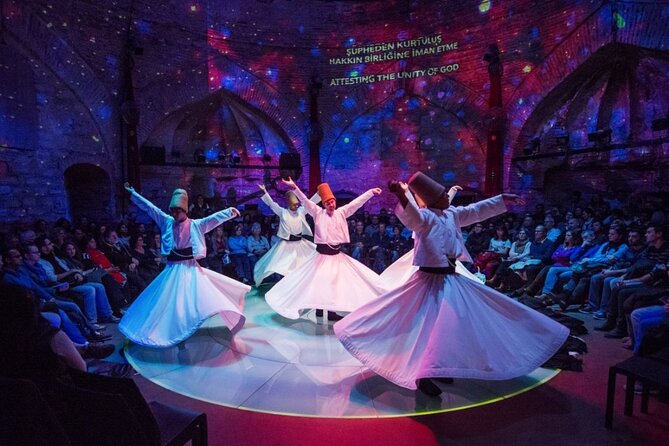
The strongest practical tip is to arrive early. The displays and booklet provide background that makes the ceremony easier to follow. Without that context, you may see repeated spinning, hear solemn music, and wonder what the performance is trying to communicate.
A few extra minutes also help with the venue. One account describes confusing directions, and the ticket collection point may not be immediately obvious. You will be better off with time to find the entrance, handle admission, and choose your seat calmly.
Seating deserves some caution. Reports describe different seat types, including high stools and chairs, and the arrangement may not feel equally comfortable for everyone. The information supplied does not promise a particular seat, so do not book this expecting a guaranteed premium view unless that is clearly stated at the time of purchase.
Photography and video may be prohibited during the ceremony. That rule can feel frustrating, especially when the movement and costumes seem made for photographs. I think it also helps preserve the quiet mood of the room. Bring your attention rather than planning to spend the hour behind a phone.
A different side of Istanbul on the same trip:
- Istanbul: Bosphorus Dinner Cruise & Show with Private Table
★ 4.8 · 44,561 reviews - Istanbul: Daytime or Sunset Sightseeing Cruise & Audio Guide
★ 4.8 · 14,430 reviews - Istanbul: Bosphorus Dinner Cruise with Turkish Night Show
★ 4.8 · 10,127 reviews - Best of Istanbul 1, 2 or 3-Day Private Guided Istanbul Tour
★ 5.0 · 8,922 reviews
Is $42.33 good value?
The price is $42.33 per person. That is not a bargain for a one-hour performance, especially since food, hotel transfers, and other extras are not included.
The value depends on what you are buying. You are paying for admission to a specialized cultural presentation, live music, the venue, explanatory material, and the chance to see a Sufi ceremony in Istanbul. You are not paying for a long guided tour, a meal, or a full evening of entertainment.
I would consider the price reasonable if you have a real interest in Turkish culture, Rumi, religious traditions, or contemplative performance. The live orchestra and singers add value, and the central location saves time and transport costs.
I would be more hesitant if you are comparing this with a lively dance performance. Several types of Istanbul entertainment offer faster pacing and more visual variety. For that kind of night out, this ceremony may feel expensive.
The overall score is 4.7 from 123 ratings, with 92 percent recommending it. That strong response makes sense, but it does not erase the central warning: the same qualities that move one person can bore another. The best value comes when you choose the ceremony for its meaning, not because you expect a conventional show.
Who will enjoy this experience most
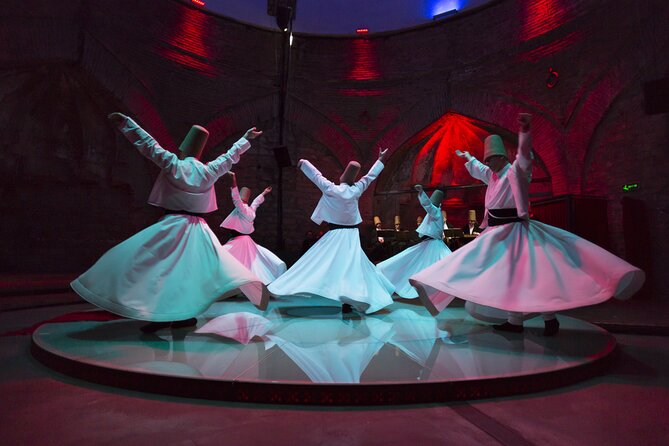
I recommend it for you if:
- You enjoy cultural traditions that require patience.
- You want to understand the Sufi connection to Rumi.
- You appreciate live music and chanting.
- You are curious about religious ceremonies presented in a public setting.
- You want a short activity that fits easily into a day of sightseeing.
- You prefer a quiet, reflective experience to a loud evening performance.
It is less suitable for young children, and children under seven are not allowed. Older children may still find the ceremony slow, especially if they need constant movement and explanation.
I would also think carefully if you have mobility needs. One report describes stairs and no suitable wheelchair access, while the general participation information does not spell out the venue’s accessibility in enough detail. Contact Tourmania or Hodjapasha directly before booking if step-free entry, seating, or transfer space matters to you.
A respectful way to watch
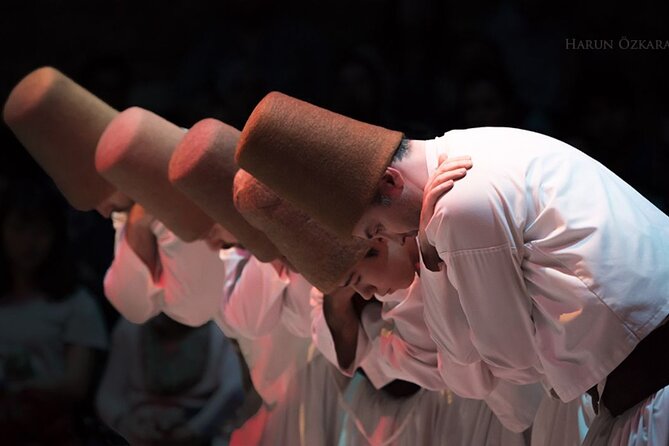
The best approach is to treat the ceremony as a sacred practice first and a performance second. Sit quietly, avoid talking, and follow any instructions about photography. You do not need to share the religious beliefs behind the ritual to appreciate the discipline and symbolism.
Try to watch the whole sequence rather than judging it after the first few minutes. Notice how the music supports the turning, how the dervishes maintain focus, and how the room changes when the repeated motion becomes almost dreamlike.
At the same time, do not feel guilty if the pace does not work for you. The ceremony is not designed to please every taste. A thoughtful cultural experience can still be the wrong choice for your evening.
Booking, cancellation, and practical details
The experience is offered in English and includes a mobile ticket, a multilingual booklet, bottled water, and admission to Hodjapasha Cultural Center. Hotel pickup and drop-off are not provided, and food is not included.
Confirmation is issued when you book. Free cancellation is available up to 24 hours before the start time for a full refund. Changes or cancellations made less than 24 hours before the start time are not accepted for a refund.
The experience is listed as weather dependent. If poor weather causes cancellation, you are offered another date or a full refund. Since the ceremony takes place indoors, check the provider’s message if conditions look uncertain.
This experience is booked about 24 days ahead on average, so reserve earlier if your Istanbul dates are fixed. That is especially sensible if you need a particular time or have accessibility questions.
Should you book the Istanbul Whirling Dervish Ceremony?
Book it if you want a short, unusual look at Sufi spiritual practice, and you are ready for a quiet hour of music, chanting, and repeated turning. The central venue, live orchestra, booklet, and explanatory displays make it easy to fit into an Istanbul sightseeing plan.
Skip it if you want a high-energy dance show, a tour of the building, or a performance packed with changing acts. At $42.33, the ceremony earns its price through atmosphere and cultural meaning, not spectacle.
My practical advice is to arrive early, read the displays, put your camera away, and watch with patience. If that sounds appealing, this can be one of Istanbul’s most unusual cultural evenings. If it sounds dull, choose a livelier performance instead.
FAQ
Where does the Whirling Dervish ceremony take place?
It takes place at Hodjapasha Cultural Center in Istanbul.
How long does the ceremony last?
The ceremony lasts approximately one hour.
How much does the experience cost?
The listed price is $42.33 per person.
Is the ceremony offered in English?
Yes. The experience is offered in English and includes a multilingual information booklet.
What is included in the price?
Admission to Hodjapasha Cultural Center, a multilingual booklet, and bottled water are included.
Is hotel pickup provided?
No. Hotel pickup and drop-off are not included.
Is food included?
No. Food is not included.
Are children allowed?
Children under seven years of age are not allowed to attend.
Can I cancel for a full refund?
Yes. You can cancel at least 24 hours before the start time for a full refund. Cancellations made less than 24 hours before the start time are not refunded.
Can I take photographs or videos?
Photography and video may not be allowed during the ceremony. Follow the venue’s instructions when you arrive.
Is the venue easy to reach?
Yes. Hodjapasha Cultural Center is near public transportation in a central part of Istanbul.
What happens if bad weather cancels the experience?
You will be offered another date or a full refund if the experience is canceled because of poor weather.
Recently added in Istanbul
- Two (2) Days Istanbul Old City and Two Continents Walking Tour★ 5.0 · 6 reviews
- istanbul old city private tour★ 5.0 · 19 reviews
- Private Guided Tour: Discovering Istanbul★ 4.5 · 9 reviews
- Istanbul Airport (IST) To Hotels Transfer★ 5.0 · 80 reviews
- Best Of İstanbul Europe Side In One Day★ 5.0 · 10 reviews
- 2 Days Cappadocia Tour from Istanbul with Optional Balloon★ 5.0 · 10 reviews
- Hagia Sophia Private Skip The Ticket line guided Tour★ 4.5 · 17 reviews
- historical peninsula walking tour★ 5.0 · 6 reviews
Istanbul Whirling Dervish Shows, compared.
Hodjapasha Whirling Dervishes Show & Exhibition
Read our review →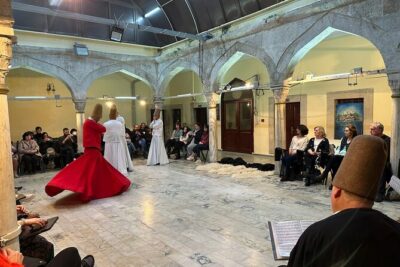
Istanbul Hodjapasha Whirling Dervishes Show & Exhibition
Read our review →
Istanbul Traditional Turkish Dinner and Dervish Experience
Read our review →
Whirling Dervish Ceremony: Go on a Spiritual Journey
Read our review →Traditional Turkish Dinner and Dervish Experience
Read our review →Browse the lists this tour appears in